

Residential Ceiling Radiant Barrier ??
8 years ago
Sort by:Oldest
Comments (5)

Related Stories
FLOORSIs Radiant Heating or Cooling Right for You?
Questions to ask before you go for one of these temperature systems in your floors or walls (yes, walls)
Full Story
GREAT HOME PROJECTSHow to Add a Radiant Heat System
Enjoy comfy, consistent temperatures and maybe even energy savings with hydronic heating and cooling
Full Story
FLOORSFloors Warm Up to Radiant Heat
Toasty toes and money saved are just two benefits of radiant heat under your concrete, wood or tile floors
Full Story
BATHROOM DESIGNA Barrier-Free Master Bathroom With a Luxurious Feel
This Maryland remodel offers ideas for designing an accessible bathroom that’s elegant too
Full Story
CEILINGSAppealing Ceiling: Warm It Up With Wood
Add charm to any room with a wood-clad ceiling
Full Story
ARCHITECTUREThe Frank Lloyd Wright-Joseph Eichler Connection
Living in a Wright house inspired Eichler to build his midcentury housing tracts, which brought modernist residential design to the masses
Full Story
FLOORSWhat to Ask When Considering Heated Floors
These questions can help you decide if radiant floor heating is right for you — and what your options are
Full Story
ARCHITECTURE5 Ways to Define Spaces Without Walls
Establish zones in an open layout without relying on typical barriers, using changes in material, level, color and more
Full Story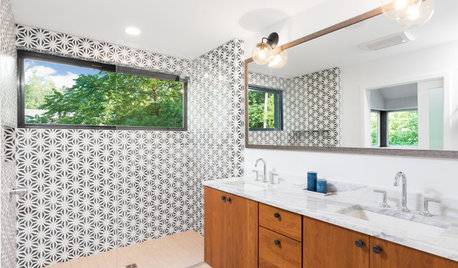
SHOWERS5 Reasons to Choose a Walk-In Shower
Curbless and low-barrier showers can be accessible, low-maintenance and attractive
Full Story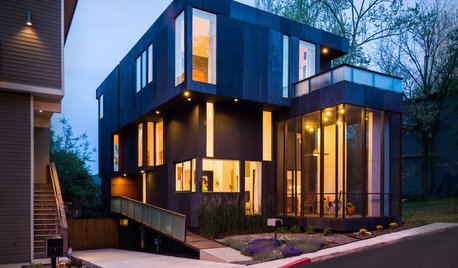
HOUZZ TOURSHouzz Tour: Modern Personality in an Old Atlanta Neighborhood
Artfully painted exteriors, soaring ceilings and stacked volumes make this home a decidedly different newcomer to the neighborhood
Full Story
ionized_gw
Austin Air Companie
Related Professionals
Montgomery General Contractors · Elizabeth City General Contractors · Charleston General Contractors · Chicago General Contractors · Petersburg Home Remodeling · Gary Home Remodeling · Muskegon Home Remodeling · Youngstown Home Remodeling · Yuma Home Remodeling · Birmingham Bathroom Remodelers · Panama City Bathroom Remodelers · Rome Bathroom Remodelers · Barnstable Bathroom Remodelers · Grand Rapids Bathroom Remodelers · Albany Bathroom Remodelersbsmith0023 (z8b coastal SC)Original Author
ionized_gw
klem1