Software
Houzz Logo Print
stigmata_604

Is this a thatch issue?

8 years ago
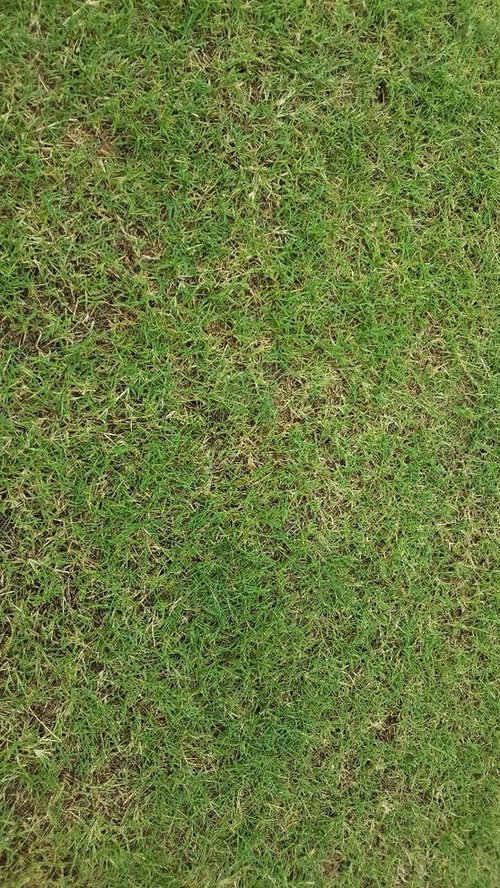
My bermuda grass wasn't growing in very thick despite fertilizing and watering. From a distance, it looked okay, but up close it looked like there was a bunch of yellow and brown spots under the grass. I thought dethatching could help. I dethatched a few days ago, and went over the pulled up stuff with a mower with the bag attached to get rid of it.


Looking at the lawn now - I'm no expert, which is why I'm here - but it still appears to have a thatch issue. The yellowed grass and small bare spots are conisistently spread out over the yard. Does this look like I need to do more dethatching or is this a separate issue?


Comments (11)

  • 8 years ago

    At this point - probably raise the cutting height to allow for more leaf growth.

  • 8 years ago

    Need more information.

    Where do you live?

    What is your watering schedule? How often and for how long do you water?

    What are you fertilizing with and when?

    Have you use any herbicides, insecticides, or fungicides this year?

    Good news is that dethatching bermuda is like scratching an itch - the bermuda loves it. Usually it stimulates new growth.

  • 8 years ago

    I'm in northern Alabama

    I water 35 minutes at a time which comes out to be about 1/2 an inch. I don't water on a schedule anymore. I water when the grass needs it. So, I'll check it by stepping on it and seeing if the grass quickly bounces back up, and check the soil to see if it's getting dry.

    I've fertilized twice this year - once in the middle of May and the second time was this weekend after I did the dethatching. I've used the same 24-0-11 fertilizer both times.

    I have used a post emergent to spray the entire yard back in the beginning of May. That was 2,4-D broadleaf control. No insecticides or fungicides. Used Prodiamine 65 WDG preemergent in March.

    I had a lawn service company treating the yard the last few years and decided this year to do it myself for the first time. The picture I posted is pretty much how the front yard has looked the last few years. So, I'm trying to fix it. I don't usually cut it that short. I just did that for the dethatching.


  • 8 years ago

    So that was one of my questions. I just dethatched and that's what it looks like. Do I need to dethatch deeper? I got a dethatcher in the offseason and it can go one setting lower. I just didn't want to destroy my yard by going lower, but maybe I should? Anyway, this goes back to my - is this a dethatching issue or not.

  • 8 years ago

    Is dethatching in warm weather a bad idea? That's why I'm hear, I have questions that I'm hoping to get help with.

  • 8 years ago

    No, this is the right time of year for Bermuda to be "manipulated". The 2,4d definitely didn't help your recovery though, the Bermuda does not like that stuff.

    I think it looks like a nice healthy stand. If you pull a stolon, you'll see they grow like miniature trees, with only the top quarter really being green. The brownish stems you're seeing can be controlled with a proper scalp during the growing season & careful control of cut height. Basically the lower the better early in the season, with a slight bump about now to get a fresh green top. If you stay at a single height year round, you get a cheetah pattern & crop circles from the stems catching up to the leaf.

    As you can see, height is a complex topic with Bermuda. Do a search of this forum & you'll find plenty of discussions about it, plus a deeper dive that I wrote a few years back as a reference.

  • 8 years ago

    @reeljake a few things from your reply. Like I mentioned, this is the first year I've done my own weed control, so even though I used a preemergent I've had quite a few weeds, mostly broadleaf. The 2,4d cleared most of it out - for a while. If that's not good for the Bermuda, is there another type of postemergent for broadleaf if I've got a bunch of spots of weeds popping up? I was planning on spraying the 2,4d again soon. But it sounds like maybe I shouldn't.

    The mowing height has been conflicting and confusing. I either see people say you HAVE to keep it short, or you HAVE to keep it tall. Shorter for a time and then longer makes things I've read make more sense. I'll go look for those discussions.

    Thank you for the information, it's helpful.


  • 8 years ago

    For the average home Bermuda lawn, which is cut weekly or bi weekly, a higher cut in the summer allows for a more leafy surface , with less scalping. Dethatch in spring and late summer, followed by closer mowing during cooler periods. Gradually raise the mowing height- as days get longer and warmer.

  • 8 years ago

    Looks like I asked a bunch of questions and didn't wait for the answers. As for Lisa, she has a northern lawn, so no, dethatching for her would not go well in the summer. I think bermuda in northern AL makes sense. Some may say that is the transition zone, but with the Earth warming, you are going to like having the bermuda.

    Lawn care is usually as easy as watering, mowing, and fertilizing. Sounds simple but if you do it wrong it can look bad and cost you a lot to fix. You have to water and mow anyway, so you may as well do it right. Here's your kick toward becoming a bermuda expert.

    Generally watering is done deeply and infrequently. That approach works like magic in many ways. One is that it keeps the soil cooler down deeper into the soil and helps to slow evaporation from a hotter soil. So the moisture will remain available to the grass roots for a longer time. It also stimulates deeper root growth by putting the moisture down deeper. It also creates the perfect temperature and moisture environment for the soil microbes which help keep your grass green and thriving. And the last benefit that comes to me right now is that infrequent watering helps prevent spring weeds by not keeping the weed seeds moist all the time. Deep watering means 1 inch all at one time, not spread out over the week. You can test your sprinklers by placing cat food or tuna cans around the yard and timing how long it takes your sprinklers to fill the cans. Memorize that time and that is your new watering time for every time you water. Infrequent watering differs depending on a lot of factors. The dominant factor is the air temperature followed by humidity. In the summer with temps in the 90s, the grass should do well when watered deeply once a week. In the early spring with temps in the 60s, you can water once per month. Early spring is a critical time for weed seed germination. This is especially a problem with crabgrass in the South. Crabgrass and bermuda enjoy identical care, so you don't want the crab to get started. Seeds need continual moisture to germinate, so if you are only watering once a month, they will never get enough water to sprout. Of course Mother Nature usually has a say in what She wants to germinate, but that does not mean you have to help the weeds along. If you can be assured by your weatherman that a good spring rain is coming, you should use a preemergent herbicide before the rain event. These events usually affect most of the US with a huge band of storms stretching from Canada to Texas, so just watch the weather and you'll know. You should use a preemergent when the forsythia starts to bloom in your neighborhood, so the rainstorm app would supplement the forsythia app. If you happen to get a few weeds, then April is the time to spot spray those with something like Celsius. Celsius is an expensive herbicide, but a little goes a very long way. If you want to have a really nice bermuda lawn, then just get it.

    I'm in the low mowing camp for bermuda. If you want it to get a little taller in the summer, fine. Just don't raise your mower all the way up. Taller bermuda seems to be thinner (less dense) and allows weeds an opportunity to enter. Mulch mow. If the clippings seem to be collecting on the surface, go over it again until they are mulched fine enough to drop into the turf. This will not cause thatch but will help fertilize the grass.

    As for fertilizer, bermuda can take all you can give it. You can start in the spring after you have mowed real grass (not weeds) for the second time. Fertilizing before that is a waste of money, because the roots are not ready. But after that you can fertilize with a high N fertilizer every 4-6 weeks throughout the growing season. This will keep the lawn dense, deep green, and growing fast enough to mow once or twice a week. If you want to back off in the spring you might not need to mow 3 times per week. I like organics for all the time, but if you go with chemical fertilizers all the time, I would strongly recommend you use an organic fertilizer at least once per year. This could replace a chem fert or go in addition to the chems. Organic fertilizer works completely differently from chemical fertilizers, and will help to keep your soil working well with the chemical fertilizers. If you want to use organics all the time, there are people having success using soybean meal or alfalfa pellets on a monthly basis at 15-20 pounds per 1,000 square feet. You cannot overdo organic fertilizers, especially on bermuda.

    As for dethatching, bermuda likes to have the stolons sliced, and spring is a good time to do that. Any time the bermuda is growing fast is a good time, so all summer long is fine, but spring is the fastest. The slicing stimulates spreading and improves density. The slicing also happens to bring up lots of chaff that resembles/replaces dethatching. You can blow that stuff away with a leaf blower.

    As for core aerating, I would never core aerate bermuda. Golf courses will tine aerate, but they have very specific disease issues they are dealing with when they do that. Cores are ugly, and I believe if you are watering correctly, you don't need to core aerate. There's no point in it. The soil should be soft to walk on after you irrigate and firm up by the time it needs to be watered again. If you have soft soil like that, then aerating is unnecessary. If your soil does not soften after watering, then you might spray it with shampoo (3 ounces per 1,000 square feet) and give it 3 weeks to soften up. This goes hand in hand with deep watering to encourage the soil biology population. It is the beneficial fungi in the soil which soften it for you. You can repeat the

    If you are tempted to overseed your bermuda in the winter with annual rye to keep a green lawn, please dismiss that idea. The winter grass seriously delays the awakening of the bermuda. I have seen bermuda set back for an entire growing season because they could not stop the rye in the spring. Golf courses and sports complexes overseed their bermuda, but they have access to herbicides that home owners cannot get to kill the rye in March. Spray it green if you must, but don't overseed.

    If you have a hybrid bermuda like Tiff 419, a very common "builder grade" bermuda sod, then do not overseed with any bermuda. Tiff 419 is one of the best turfgrasses you can get. The reason it is builder grade is that the grass farmers realized in the 1960s that it was going to be popular. It can be had anywhere for $50 per pallet. The hybrid bermudas are a mutant type of bermuda. They do not get seed heads like common bemuda does. The seeded varieties of bermuda are all the common types and will give you seed heads in about 5 days after mowing. If bermuda thins out, that is almost always due to not getting enough sunlight, and no amount of overseeding will help that. If the grass thins out, it is likely you need to remove the bermuda and put in a shade tolerant flower bed.

    Do this successfully for a few years and you will be the expert.

  • 8 years ago
    last modified: 8 years ago

    I have spots like this in my Bermuda lawn as well.

    I have suspected it is because the heavy clay is far too compact and that the grass just doesn't like it. Going against that, I do have some weeds that are growing in these spots as well. So, definitely not 100% sure what's going on. It's only 1 area of my yard. The rest of it looks thick and weedless.

    I tried the clear baby shampoo and then something I ordered online that is supposed to break down the soil structure.

    Then I just spread milorganite for the first time a couple weeks ago.

    The grass is definitely greener and I think* there are less weeds?

    I'll try the shampoo and milorganite again. I'm hoping I can fix the soil just enough to get the Bermuda to choke out the weeds.

Sponsored
Whisler Home Improvement
Average rating: 5 out of 5 stars9 Reviews
Franklin County's Committed Home Improvement Professionals