

Drapery - Interlining
8 years ago
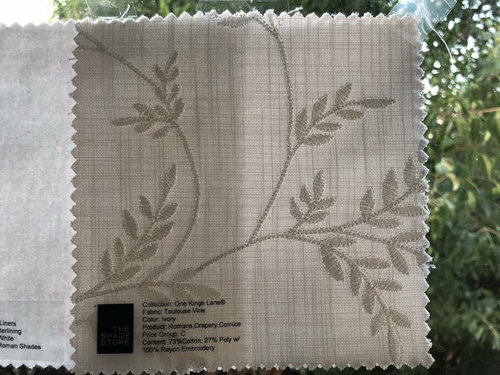
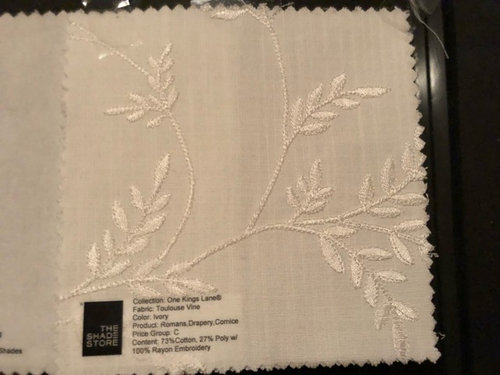
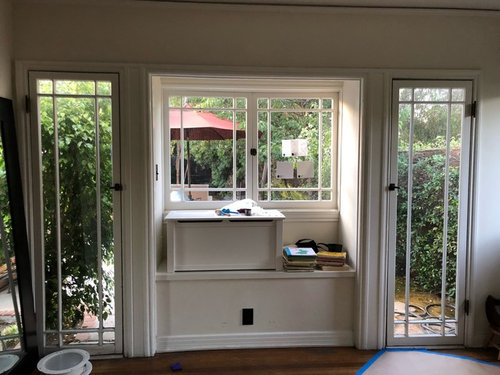

Featured Answer
Sort by:Oldest
Comments (7)
 8 years ago
Related Professionals
Florence General Contractors · Keene General Contractors · Medford General Contractors · Baton Rouge Interior Designers & Decorators · Fort Worth Interior Designers & Decorators · Butte Interior Designers & Decorators · Odessa Kitchen & Bathroom Designers · Bloomington Furniture & Accessories · Stockton Furniture & Accessories · Amarillo Furniture & Accessories · St. Louis Interior Designers & Decorators · Yuba City Interior Designers & Decorators · Victoria Architects & Building Designers · Mason City Architects & Building Designers · Rome Kitchen & Bathroom Designers- 8 years ago
 PRO8 years agolast modified: 8 years ago
- 8 years ago
- 8 years ago
- 8 years ago


Related Stories

WINDOW TREATMENTSThe Case for Stationary Draperies
Curtains that open and close are great in some situations, but stationary draperies can give you a better view (and save money too)
Full Story
WINDOW TREATMENTSThe Drapery Diary: The Case for Custom
Use this handy guide to discover the ins and outs of customized drapery
Full Story
DECORATING GUIDESHow to Get Your Window Treatment Right
Here's the lingo to know to get the draperies you really want
Full Story
WINDOW TREATMENTSCurtain Speech
Learn the basic terms for parts and styles of draperies and curtains to get the look you want
Full Story
ROOM OF THE DAYRoom of the Day: Elegant Transitional Style in a Traditional Setting
Subtlety reigns in this Boston brownstone’s living room — even with show-stealing draperies
Full Story
WINDOW TREATMENTSEmbellishing Tricks for Cost-Effective Custom Curtains
Get curtains that look high end — even if you don't sew — with just a little trim here or a little banding there
Full Story
DECORATING GUIDESSwags and Jabots Hold Sway Over Window Style
Elegantly draped, this window treatment adds a soft but stately touch to any room in your manor
Full Story
WINDOW TREATMENTSHow Low Should Your Drapes Go?
Hover, brush the floor or pool like Scarlett O'Hara's tears — we give you the lowdown on curtain length options
Full Story
WINDOWSHow to Ditch the Drapes and Let Your Windows Shine
If your home has beautiful windows and you don’t need to hide a view, consider dressing them in these elegant, creative ways
Full Story
WINDOW TREATMENTSThe Key to Designer-Look Window Treatments
Learn the one thing that will make your curtains suffer if you get it wrong — and how to get it right
Full Story



torreykm