

Generator hook-up
8 years ago
Sort by:Oldest
Comments (4)
Related Stories

GARDENING GUIDESOn the Up and Up: Expert Advice for Growing a Green Wall
Houzz pros share solutions for 7 common challenges you can face with a vertical garden
Full Story
ARCHITECTUREMeet the Next Generation of Incredibly Adaptable Homes
Move a wall or an entire kitchen if you please. These homes scale down and switch it up with ease as needs change
Full Story
BUDGET DECORATING10 Budget Ideas for Making Your Grown-Up Bathroom Kid-Friendly
Adding a splash of color and hanging kid-height hooks are just 2 of things you can do to create an all-ages bathroom
Full Story0

STORAGEHow to Set Up Your Small Closet to Get More Storage
Get ideas for arranging your clothes closet with 8 combinations of shelves, hooks, rods and drawers
Full Story
HOUZZ TOURSHouzz Tour: 10 Acres, 3 Generations and Many Animals in North Carolina
Check out a throwback-style cabin that celebrates simplicity, reclaimed materials and family
Full Story
HOME TECH7 Ways to Charge Up and Connect After Disaster
Products and tips for communicating and keeping essential items running till the power's back on
Full Story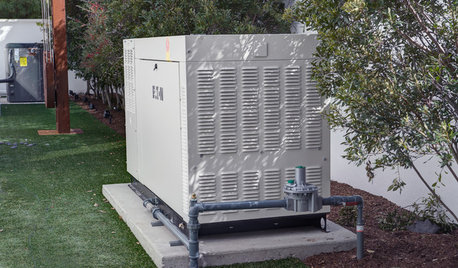
DISASTER PREP & RECOVERYMore Power to You: How to Pick the Right Generator
If your home's electricity goes, don't let it take your necessities with it — keep systems running with this guide to backup power
Full Story
You Said It: Hot-Button Issues Fired Up the Comments This Week
Dust, window coverings, contemporary designs and more are inspiring lively conversations on Houzz
Full Story
HOME TECHWake Up to the New World of Connected Alarm Clocks
Use your smart phone to enhance your alarm clock, to get more music and better sound than ever before
Full Story
PRODUCT PICKSGuest Picks: 20 Delightfully Inventive Wall Hooks and Coatracks
Limit drips and drops to a mudroom or entryway with these creative hooks and hangers for coats, hats and more
Full Story

weedmeister
apg4Original Author
Related Professionals
Rock Hill General Contractors · Murfreesboro General Contractors · Kalamazoo General Contractors · Rochester General Contractors · Coos Bay General Contractors · Fairbanks General Contractors · Middlesboro Home Remodeling · Rolla Home Remodeling · Rock Hill Home Remodeling · Galveston Home Remodeling · Fergus Falls Home Remodeling · Nashua Bathroom Remodelers · Lima Bathroom Remodelers · Edmonton Bathroom Remodelers · York Bathroom RemodelersDavidR
Ron Natalie