

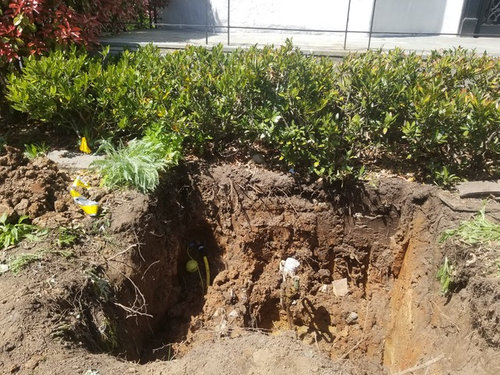
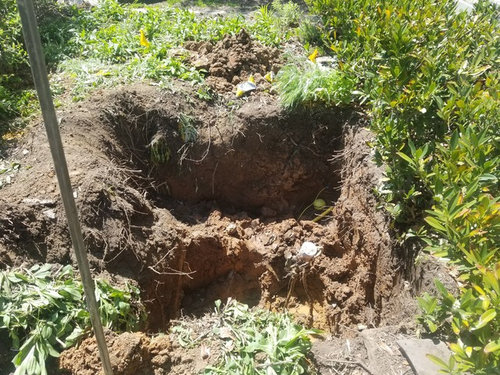
Utility buried crushed stone in my yard
8 years ago
last modified: 8 years ago
Featured Answer
Sort by:Oldest
Comments (8)
 8 years ago
 PRO8 years ago
Related Professionals
Bowling Green Landscape Architects & Landscape Designers · Brattleboro Landscape Architects & Landscape Designers · Washington Decks, Patios & Outdoor Enclosures · Pensacola Decks, Patios & Outdoor Enclosures · Boise Decks, Patios & Outdoor Enclosures · Wenatchee Decks, Patios & Outdoor Enclosures · Tulsa Landscape Architects & Landscape Designers · Cornwall Landscape Architects & Landscape Designers · Waterbury Landscape Contractors · Detroit Home Builders · Lansing Landscape Architects & Landscape Designers · Gainesville Landscape Contractors · Chillicothe Landscape Contractors · Rutland Landscape Contractors · Kansas City Stone, Pavers & Concrete- 8 years ago
- 8 years ago
 8 years agolast modified: 8 years ago
 8 years ago
- 8 years ago
Related Stories

LANDSCAPE DESIGN15 Great Ideas for a Lawn-Free Yard
End the turf war for good with hardscaping, native grasses and ground covers that save water and are easier to maintain
Full Story
LANDSCAPE DESIGN8 New Uses for Your Side Yard
Lovely to look at and delightful to use, these side yards meet a home's needs as dining, entertaining and living areas
Full Story
BEFORE AND AFTERSSee 6 Yards Transformed by Losing Their Lawns
Wondering whether a turf lawn is the best use of your outdoor space? These homeowners did, and they found creative alternatives
Full Story
MOST POPULAR25 Ideas to Perk Up Your Side Yard
Turn this often overlooked area into an enticing and useful outdoor space
Full Story
MATERIALSHow to Use Local Stone in Your Landscape Design
Locally sourced stone is a gorgeous and durable landscape building material
Full Story
IDEAS FOR SLOPED LOTSSloping Yard? Here’s How to Make It Work
Don’t despair if your landscape is on a slope. There are many ways to enjoy the space
Full Story
LANDSCAPE DESIGN10 Ideas for a Creative, Water-Conscious Yard
Check out these tips for a great-looking outdoor area that needs less water
Full Story
LANDSCAPE DESIGNGarden Walls: Dry-Stacked Stone Walls Keep Their Place in the Garden
See an ancient building technique that’s held stone walls together without mortar for centuries
Full Story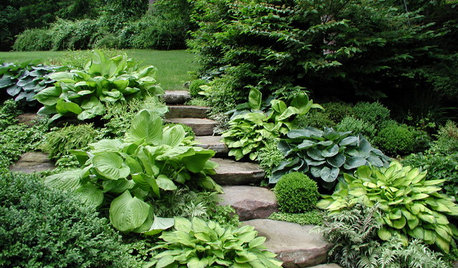
LANDSCAPE DESIGNEnhance Your Garden Journey With Natural Stone Steps
Consider these 13 ideas for natural stone steps that will help you slow down and enjoy your surroundings
Full Story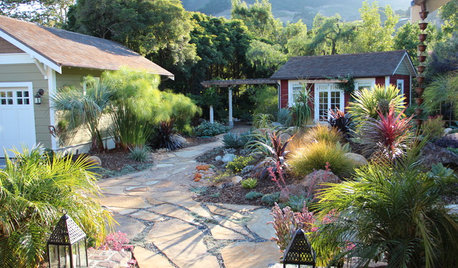
GARDENING AND LANDSCAPINGPave the Way to Landscape Style With Flagstone
Define a patio, build a path, make a fire pit ... learn about flagstone's many uses, plus costs and considerations, here
Full Story

Sara Malone Zone 9b