Software
Houzz Logo Print
oneearthluv1

Advice getting lawn going with pine needle HELL

8 years ago
last modified: 8 years ago
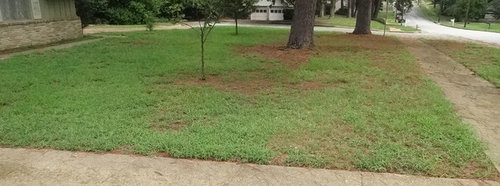
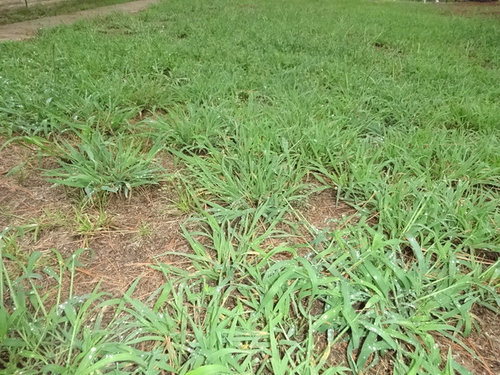
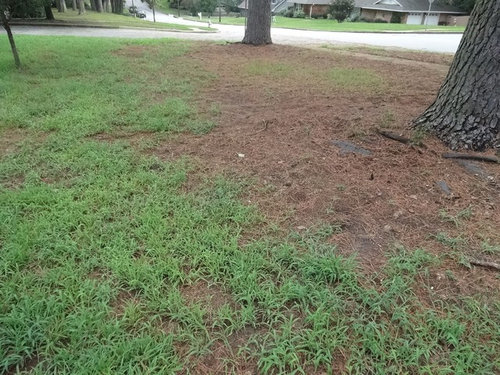
I am new to this property. I have got to get this lawn going and need some good advice and direction. First of all, what type of grass is this that I have already growing in the yard? Is it weeds or some type of undesirable grass? I am in east Texas and would like to have a St. Augustine lawn. The lawn is currently very blotchy, especially around the pine trees, and keeping pine needles raked up is a constant and tiring battle. Everywhere that needles have fallen thickly, the grass growth is close to non-existent. Is this situation tough but doable, or are these pine trees/needles going to prevent a lawn from ever growing nicely? I need a proper order of steps to take to deal with the needles and prep the lawn, get the soil right, and start planting and growing grass successfully. I do not want to lay full sod blocks on top, but would rather put in smaller plugs of sod spaced out over the lawn and let it take over, but that's just my idea and am open to whatever method you folks think would work best. It is mid September now and I have heard that late summer is a good time to start plugs since the weather will be less dry and dewy in the mornings to keep thing moist. Please help with your experience and opinions on steps to take.


Comments (9)

  • 8 years ago

    You're not going to be able to have thick grass throughout without removing the trees

  • 8 years ago

    My neighbor has decent grass in his yard and he has pine trees, but I 'm sure he had to work at it and the yard was not neglected for a long time like it was with the previous owner of my house. Why are you so sure there is nothing that can be done to make grass grow throughout? BTW, I an fine with landscaping around the trees if I can get the rest of lawn to grow St Aug

  • 8 years ago

    Lawns never grow well under the canopy of large trees. Part of it is due to shade (very few turf grasses are very shade tolerant - even the most shade tolerant variety of St Augustine needs at least 4 hours of direct sunlight) but most is due to the root competition from the trees. The tree roots suck up all the soil moisture and hog all the soil nutrients. And often, the canopy prevents the area directly under it from receiving much rainfall.

    It can be done but usually requires much greater attention to watering and fertilizing. And annual overseeding is typically a requirement. Much easier to just grow a dry shade tolerant groundcover.

  • 8 years ago

    Here is a pic of my neighbors yard. It looks like the canopy of his trees are a little bit higher than on my trees... do you think trimming would help a lot or not very much? He also has a sprinkler system which I don't have but I am trying to water my yard more often now. To me, it looks like my trees are not in as healthy condition as any of my neighbors(who all have sprinklers btw). Any suggestions on getting the pine trees evaluated and healthier(besides watering more)?


    So what type of grass does it look like I have? If it's something I need to choke out or somehow try to remove, what do I need to do? Is it likely my soil is bad considering all the pine needles that have decomposed into it and what to do to get it right for sod? Should I do spaced out plugs? The ground cover may very well be my option if it is so unlikely to get grass to grow around the trees... what would anyone suggest?


  • 8 years ago

    I still need knowledge on what type of grass I have in my yard and answers to the other questions I had. I understand now that it may be difficult to get grass growing under the canopy, but I would like to try, I just need the proper steps to take. Also, it a soil test very necessary given the pine needles or can I just follow some tried and true general steps regardless? Of course I do need to know what those steps are.

  • 8 years ago

    From what I can tell, what you have is crabgrass. It loves sun, and hates shade. it makes for a nice bright lawn, but it’s considered a weed.

  • 8 years ago
    not a lawn pro but besides the shade problem, i have read that pines are especially problematic to grow grass under because the needles and etc acidify the soil. need to lime. the needles won't play well with a blower. i have one huge pine that i finally gave up on and created a circular bed beneath about the same size as the needle spread, but my lawn is an acre, so i could afford to do that.
  • 8 years ago

    The above is a garden myth that refuse to die :-) Pine needles or any other plant parts do NOT make a soil more acidic. That is a factor of the underlying mineral content of the soil and the amount of rainfall. Period!

    The reason grass/lawns do not do well in these conditions is due to shade and root competition from the trees, which hog the lion's share of both soil nutrients and moisture. And it really doesn't matter what kind of trees, although larger deciduous trees tend not to have the same degree of negative impact as do large conifers.

  • 8 years ago

    Sorry but I skipped over this due to the title. I thought it was going to be a northern grass issue. I forget there are pines along the gulf.

    I don't see any reason you can't have dense St Augustine in there. Raising your tree canopy might help, but I had a lot more shade than that and had pretty good lawn. There are different varieties of St Aug that grow better in sun or in shade. Floratam does every well in full sun but will be thinner in the shade. Others work better in deeper shade. It comes in large pieces, not plugs. You could make plugs out of the pieces, but I just lay a piece down, walk on it to make good contact with the soil, and start watering very lightly 2-3x per day to keep the roots moist and not soggy. It should knit to the ground and start spreading later in the year. Next spring it will spread 3-5 feet. Next fall it should spread another 10 feet. You have all the bare soil you need to get started. If you start the pieces under the shade of the tree they should root faster and with less water. Put a few pieces around the yard and let them spread.

    What you have now is weeds, so no need to get too deep identifying them. The St Augustine will run right through most of them. The rest can be dug up or sprayed next April with an atrazine product to kill them off. Atrazine is a harsh approach, but it is the only herbicide that does not seem to affect St Augustine. It kills almost everything but St Augustine and centipede grasses.

    Generally you water deeply and infrequently. In East Texas you might never need to water due to the rains you get. My area is much dryer and I only watered a few times this year. I got 15 inches of rain this month and don't expect to be watering again until at least November. Mow at the mower's highest setting, always. Wait until Memorial Day to fertilize. Then fertilize again on Labor Day and finally around Thanksgiving after the grass stops growing. For this year I would use organics like alfalfa pellets for the rest of the year. App rate is 15-20 pounds per 1,000 square feet. If you use organics, do the entire yard at least one time. For future fertilizer apps, just fertilize the St Augustine and don't waste it on the weeds.