

Could there be something wrong with our electricity?
8 years ago
Featured Answer
Sort by:Oldest
Comments (9)
Related Professionals
Tupelo General Contractors · Spartanburg General Contractors · McAllen General Contractors · Clearlake General Contractors · Wichita Home Remodeling · McAllen Home Remodeling · Waterloo Home Remodeling · Sterling Home Remodeling · Sanford Home Remodeling · Tuscaloosa Bathroom Remodelers · Ocala Bathroom Remodelers · Athens Bathroom Remodelers · Clarksville Bathroom Remodelers · Leominster Bathroom Remodelers · Madison Bathroom Remodelers 8 years agolast modified: 8 years ago
- 8 years ago
- 8 years ago
- 8 years ago


Related Stories
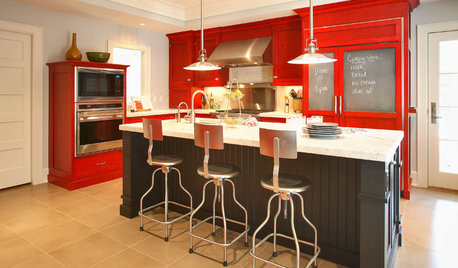
COLORReady to Try Something New? Houzz Guides to Color for Your Kitchen
If only mixing up a kitchen color palette were as easy as mixing batter. Here’s help for choosing wall, cabinet, island and backsplash hues
Full Story
MORE ROOMSCould Your Living Room Be Better Without a Sofa?
12 ways to turn couch space into seating that's much more inviting
Full Story
FUN HOUZZWhat Could You Imagine With Lego's New Architecture Kit?
Go ahead, toy around with wild building ideas. With 1,210 all-white blocks at your disposal, it's OK to think big
Full Story
MOST POPULAR11 Modern Farmhouses That Could Make You Want to Change Your Life
Simple forms, cutting-edge materials and casual yet refined good looks characterize homes in this timeless style
Full Story
SMALL SPACESCould You Live in a Tiny House?
Here are 10 things to consider if you’re thinking of downsizing — way down
Full Story
REMODELING GUIDESWhy Marble Might Be Wrong for Your Bathroom
You love its beauty and instant high-quality appeal, but bathroom marble has its drawbacks. Here's what to know before you buy
Full Story
LIFEIf You Could Talk to Your House, What Would You Say?
‘Pull yourself together’ or ‘thank you for transforming my life’? Notes to homes around the country hit us where we live
Full Story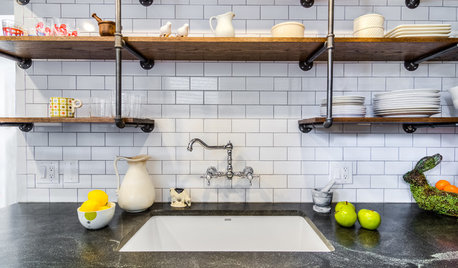
KITCHEN DESIGNNew This Week: 3 Modern Kitchens With Something Special
Looking to make your kitchen feel unique? Look to these spaces for inspiration for tile, style and more
Full Story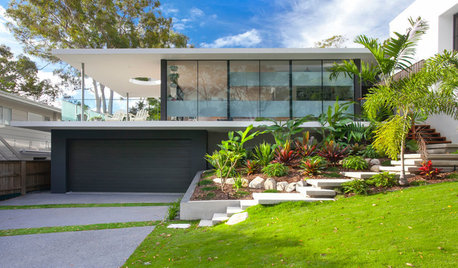
HOME TECHWhat If Your Home Could Make Sure You Stayed Healthy?
New research could make this a reality sooner than you think
Full Story
LIFEYou Said It: ‘Every Room Should Have the Right Wrong Thing’ and More
This week on Houzz we were inspired to break out of catalog styling ruts and let our design freak flags fly
Full Story
Ron Natalie