

Why outlets get pigtailed
5 hours ago
Comment

Related Stories

We Simply Can't Get Enough: The Sunburst Motif
New Interpretations of the Sun Still Add Fire to a Room
Full Story

MORE ROOMSHome Tech: Getting Rid of Wires Without Sacrificing Sound
Wireless home technology still isn't perfect, but new products are giving audiophiles choices
Full Story
GREAT HOME PROJECTSPower to the People: Outlets Right Where You Want Them
No more crawling and craning. With outlets in furniture, drawers and cabinets, access to power has never been easier
Full Story
DECORATING GUIDESHow to Get Your Furniture Arrangement Right
Follow these 10 basic layout rules for a polished, pulled-together look in any room
Full Story
BATHROOM DESIGNShould You Get a Recessed or Wall-Mounted Medicine Cabinet?
Here’s what you need to know to pick the right bathroom medicine cabinet and get it installed
Full Story
DECORATING GUIDESTricks to Hide Light Switches, Outlets and Toilet Roll Holders
Embrace camouflage and other design moves to make these eyesores virtually disappear
Full Story
LIGHTINGGet Turned On to a Lighting Plan
Coordinate your layers of lighting to help each one of your rooms look its best and work well for you
Full Story
LIGHTING10 Ways to Get Your Lighting Right
Learn how to layer table lamps, floor lamps and overhead fixtures to get the lighting you need and the mood you want
Full Story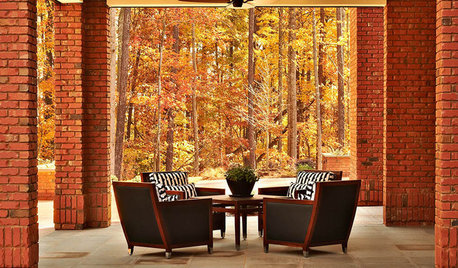
ARCHITECTUREGet a Perfectly Built Home the First Time Around
Yes, you can have a new build you’ll love right off the bat. Consider learning about yourself a bonus
Full Story
Related Professionals
Lafayette General Contractors · Shreveport General Contractors · Lawton General Contractors · Woodward General Contractors · Beckley General Contractors · Ottumwa General Contractors · Cleveland General Contractors · Lake Havasu City General Contractors · Victoria General Contractors · New Braunfels Home Remodeling · Norfolk Home Remodeling · Middletown Home Remodeling · Lewiston Bathroom Remodelers · Green Bay Bathroom Remodelers · Temecula Bathroom Remodelers