

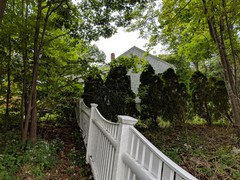
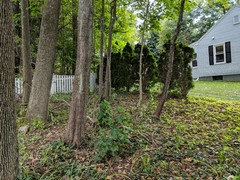
Likelihood of moving mature arborvitae?
7 years ago
Featured Answer
Sort by:Oldest
Comments (7)
Related Professionals
Oshkosh Landscape Architects & Landscape Designers · Panama City Landscape Contractors · Tallahassee Landscape Contractors · Fergus Falls Landscape Contractors · Missoula Landscape Contractors · Cape Girardeau Tile and Stone Contractors · Florence Landscape Architects & Landscape Designers · Toms River Landscape Architects & Landscape Designers · Burlington Landscape Architects & Landscape Designers · Vancouver Landscape Architects & Landscape Designers · Davenport Landscape Contractors · Scranton Landscape Contractors · Cincinnati Home Additions · Denver Home Additions · Queens Home Additions- 7 years ago
- 7 years ago
 7 years ago
- 7 years ago
- 7 years ago


Related Stories
REMODELING GUIDESShould You Remodel or Just Move?
If you're waffling whether 'tis better to work with what you've got or start fresh somewhere else, this architect's insight can help
Full Story
GARDENING GUIDESGreat Design Plant: Thuja Occidentalis ‘Bobozam’
Sculptural, diminutive and low maintenance, Mr. Bowling Ball arborvitae works hard in small spaces
Full Story
SIDE YARD IDEASNarrow Trees for Tight Garden Spaces
Boost interest in a side yard or another space-challenged area with the fragrance and color of these columnar trees
Full Story
LIFETell Us: Do You Know How to Live With Your Parents?
If you've tried multigenerational living under one roof, we'd love to hear the details
Full Story
GARDENING GUIDESGreat Garden Combo: 3 Wonderful Plants for a Deer-Resistant Screen
Protect your privacy and keep deer at bay with a planting trio that turns a problem garden area into a highlight
Full Story
LANDSCAPE DESIGNWarm Up Your Home With an Evergreen Windbreak
Plant tall trees for more warmth in winter, serenity in summer and good looks all year long
Full Story
LANDSCAPE DESIGNPatio of the Week: Sloped Yard Now an Entertainment Hub
A pergola, an outdoor kitchen, a lounge, a whirlpool and gardens let this Toronto couple live their best life outdoors
Full Story
KITCHEN DESIGN10 Ways to Design a Kitchen for Aging in Place
Design choices that prevent stooping, reaching and falling help keep the space safe and accessible as you get older
Full Story
GARDENING AND LANDSCAPINGGrow a Lush Privacy Screen
No need to wait forever for patio privacy the green way. These 10 ideas will get your screening up and running in no time
Full Story
SELLING YOUR HOUSEFix It or Not? What to Know When Prepping Your Home for Sale
Find out whether a repair is worth making before you put your house on the market
Full Story


tsugajunkie z5 SE WI ♱