Software
Houzz Logo Print
webuser_702163138

New Home AC installation

8 years ago

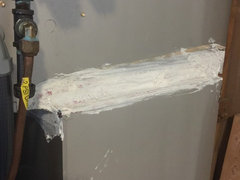
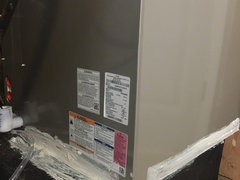
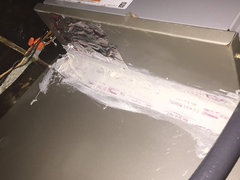
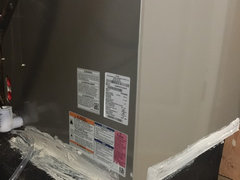
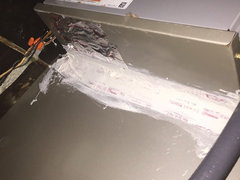
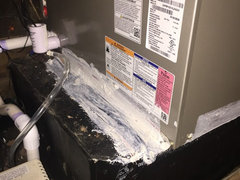
My friends parents recently got a new AC Unit installed in there home. The unit that replaced their old unit was smaller in size. The HVAC team that installed the new unit caulked all around the edges on the AC unit on top and bottom ( unit sits below the furnace). They said it was to prevent leaks and was per policy. They even had a supposed home inspector tell them this over the phone ( anyone could have been on the phone?). The problem is that even if that’s true the caulking that they did is so sloppy. It looks really awful like a 5 year old painted glue on their new unit. I was hoping someone could help me distinguish whether or not 1. That the caulking is something Normal for brand new AC Units, and 2. If it is normal should they not be expected to do a neater job? Or is this whole thing pretty normal? Thanks. I also have pictures upon request.

Comments (9)

  • 8 years ago
    last modified: 8 years ago

    ^^^^^^^ You're kiding, right?

    OP - the mastic sealing the cooling coil to the furnace frequently doesn't look like a masterpiece! As long as it seals, that's what you need. I've seen them look from "meh, OK" to "God awful", but they serve their purpose. You could put some aluminum duct sealing tape (NOT Duck Tape) over it to make it look neater.

  • 8 years ago

    My friends family is foreign and they don’t speak great English both of us are young and we don’t know anything concerning HVAC. Feedback is welcome and thank you for your help and comments


  • 8 years ago

    What a mess. They could have used clear caulking and made it look a lot better. It looks like the pieces are not lined it properly. Maybe the photo looks deceiving.

    Is that a copper pipe for the gas connection? Copper should not be used. The diameter seems undersized. That needs to be changed.

    I get the feeling this was not a good installation. Perhaps you should post some more pictures.

  • PRO
    8 years ago
    last modified: 8 years ago

    Typically in my experience (23 years plus) the reason mastic is used is that it's cheap and a pretty good sealer for air leaks but often times looks sloppy. When doing retro fit repairs it can sometimes be difficult in getting a good bonding surface for a 'tape only' seal. Retro fit, means replacing a piece or two of the existing equipment as opposed to replacing the whole thing.

    If I have a good metal to metal surface in which I can tape, I use a 'code approved' aluminum foil tape for sealing that connection only (equipment to equipment connection). The 'code approved' tape regardless if it is aluminum or duct tape --- costs more. But it almost always looks better. In those instances mastic, hard cast or pooky is not needed... but some locations may require mastic seal for code. It depends and can vary widely.

    It's important to use the right tape for the right seal. Duct tape --- code approved or not is a poor choice for an equipment to equipment seal connection. That's why they call it 'duct tape'.

    How can you tell the difference from 'code approved' tape versus the cheaper alternative of tapes?

    There is writing on every square inch of the tape that is applied. If there is no writing on the tape... it's a 'cheap' tape that will not stand up to the rigors of sealing the equipment.

    With that said, the tape... whichever kind you use needs a good bonding surface to be able to seal properly. Tape (any kind) will have a hard time sticking to mastic, (hard cast) duct sealer or pooky... unless the mastic, hard cast or pooky is fresh at time of application.

    Typically these are indications of a 'home warranty' company. As it's only about being 'cheap' or doing things as cheaply as possible. I don't know if this applies in your situation or not, just a haunch.

    -------

    The copper line feeding the gas to the gas valve of the furnace is not code approved and while this kind of connection can work for a time, it often leads to the demise of the gas valve... which increases the cost of the repair as you will have to replace the gas supply line and the gas valve the current line is attached to. Because if you don't, the new gas valve will most likely fail prematurely due to the flaking and pitting of the copper line feeding the furnace. (cloggs up, leading to low fire of the furnace not to mention other problems)


    I service the Katy, Texas area.

  • 8 years ago

    Those are the only pictures I have so should he be concerned about the cooper line to the furnace? The same company that installed the AC installed the furnace


  • 8 years ago
    last modified: 8 years ago

    Don't panic about the copper pipe just yet. In my housing development, there are many copper pipe connections to gas furnaces and gas hot water heaters (so I am assumimg they are approved here). Check with your local building department. I prefer black pipe as copper pipe, in recent years, has been fabricated with recycled materials containing many impurities.

  • PRO
    8 years ago
    last modified: 8 years ago

    A gas valve can fail even without a copper supply line going to it. It's mostly a code related thing to actually fixing a problem as opposed to merely treating the 'symptom'.

    Meaning that most often when failure results (out put is low due to clogging of the gas valve) you get taken for a ride in attempting to repair the furnace.

    Or 'possibly' the situation may create a not so good condition in which the furnace acts erratic. Low fire, is operating the furnace in a condition in which it was not designed to operate.

    In an era like today, we have 2 stage furnaces that will run in low fire to operate more efficiently. But these furnaces were designed to operate this way.

    Because furnaces can be set to use natural gas, or propane could change things quite a bit. Natural gas in my experience will typically not run, or not run well... trip off on some sort of safety failure.

    I haven't worked on enough propane furnaces to form an opinion, but propane is a much more dangerous gas, primarily because propane is heavier than air and has pooling characteristics which lead to explosions.

    So if your furnace is propane, I would get rid of the copper line just for the safety factor.

  • 8 years ago

    Copper pipe for gas and the sloppiness of the mastic tells me this is a real hack job. I wonder what else was half-a$$ed?


    Call the contractor out and have him fix it to professional standards.