

Incorrectly built retaining wall -- can it be fixed?
8 years ago


Featured Answer
Sort by:Oldest
Comments (11)
 PRO8 years ago
Related Professionals
Detroit Landscape Architects & Landscape Designers · Grand Rapids Landscape Architects & Landscape Designers · San Diego Landscape Architects & Landscape Designers · Selma Landscape Contractors · Wichita Landscape Contractors · Victoria Landscape Contractors · Richmond Landscape Contractors · Orange County Landscape Contractors · Bloomington Decks, Patios & Outdoor Enclosures · Annapolis Decks, Patios & Outdoor Enclosures · Rolla Decks, Patios & Outdoor Enclosures · San Antonio Decks, Patios & Outdoor Enclosures · Des Moines Decks, Patios & Outdoor Enclosures · Webster Decks, Patios & Outdoor Enclosures · Chatham Decks, Patios & Outdoor Enclosures PRO8 years ago
 PRO8 years agolast modified: 8 years ago
 8 years agolast modified: 8 years ago
- PRO8 years ago
- 8 years agolast modified: 8 years ago
- 8 years agolast modified: 8 years ago
- 8 years ago
- PRO8 years ago
- 8 years ago

Related Stories

LANDSCAPE DESIGN10 Contemporary Retaining Walls Offer Fresh Ideas for Slopes
See how retaining walls can step up landscape designs with built-in water features, benches and cool building materials
Full Story
DECORATING GUIDESQuick Fix: Find Wall Studs Without an Expensive Stud Finder
See how to find hidden wall studs with this ridiculously easy trick
Full Story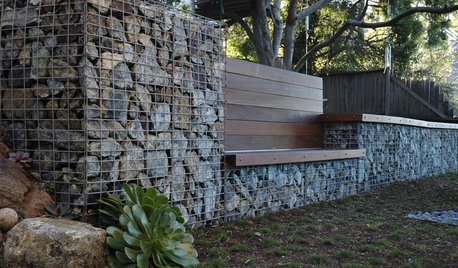
GARDENING AND LANDSCAPING7 Out-of-the-Box Retaining Wall Ideas
Go Beyond Railroad Ties With Stylish Rock, Metal, Blocks, and Poured Concrete
Full Story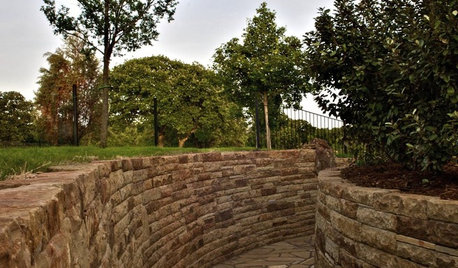
LANDSCAPE DESIGNPile On Style With a Dry-Laid Stone Retaining Wall
Durable, natural and practical, this landscape feature is an art form unto itself
Full Story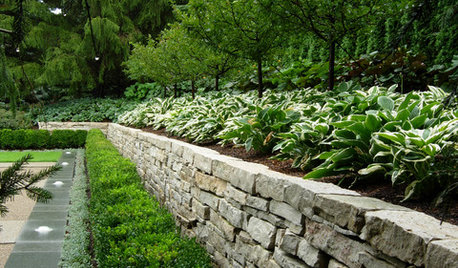
LANDSCAPE DESIGNGarden Walls: Dry-Stacked Stone Walls Keep Their Place in the Garden
See an ancient building technique that’s held stone walls together without mortar for centuries
Full Story
REMODELING GUIDES11 Reasons to Love Wall-to-Wall Carpeting Again
Is it time to kick the hard stuff? Your feet, wallet and downstairs neighbors may be nodding
Full Story
HOUSEKEEPINGQuick Fix: How to Patch a Drywall Hole
Dents and dings disappear, leaving your walls looking brand new, with this fix that even a novice can do
Full Story
DECORATING GUIDES12 Ways to Hide a Flaw on the Wall
Some things you just can’t get rid of. But that doesn’t mean you can’t conceal them with a little design know-how
Full Story
REMODELING GUIDESExpert Talk: Wall Dividers Pull Rooms Together
Open layouts are popular, but these designers explain how a little division can sometimes finish the look of a room the way nothing else can
Full Story
DECORATING GUIDESQuick Fix: Update Bookshelves With a Coat of Color
Hungry for quick color? Turn your shelves into a mini accent wall
Full Story


Blue Bear Landscape Construction