

Frost blanket use
8 years ago
Sort by:Oldest
Comments (9)
Related Stories
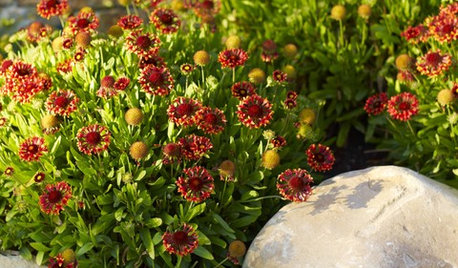
GARDENING FOR BUTTERFLIESGreat Design Plant: Blanket Flower Brings Year-Round Cheer
It's irresistible to wildlife, but this wildflower's drought tolerance, copious blooms and versatility draw human fans too
Full Story
HOUZZ TOURSHouzz Tour: Cozy Vermont Cabin Blanketed in Charm
This carefully crafted, ecofriendly cabin in the woods makes coming in from the cold a truly memorable occasion
Full Story
GARDENING GUIDESGot Frost-Damaged Plants? How It Happens, and When and How to Prune
Don’t rush to cut back brown, brittle growth after a freeze
Full Story
SHOP HOUZZShop Houzz: Fireplaces and Heaters for Every Room
Foil Jack Frost’s plans by staying toasty everywhere you roam at home
Full Story0
SUMMER GARDENING10 Perennials to Extend Your Garden's Summer Color
Revive summer-weary gardens with outstanding late bloomers such as toad lily, Russian sage, blanket flower and more
Full Story
GARDENING GUIDESSoutheast Gardener's November Checklist
You're probably on top of planting bulbs, but don't forget to keep an eye on frost and drain your mower's gas tank
Full Story
DECORATING GUIDES6 Ways to Warm Up Your Home With Accessories
Outsmart Jack Frost with snuggly throws and rugs, glowing lights and pieces that gleam
Full Story
EVENTSWhimsy, Color and Pattern Are Highlights of the 2015 Holiday House NYC
Step inside birthday-party-inspired playrooms and frosting-like spaces in this year's decorators' show house
Full Story
PATIOSLandscape Paving 101: Tiles Bring Bold Color and Pattern
This versatile garden material can blanket an entire patio or liven up the scenery with striking accents
Full Story
EDIBLE GARDENSCool-Season Vegetables: How to Grow Kale
This leafy green superfood is also a superhero in the garden through fall chills and winter snow
Full Story


theforgottenone1013 (SE MI zone 5b/6a)
porkchop_z5b_MIOriginal Author
Related Professionals
Rock Hill Landscape Architects & Landscape Designers · Knoxville Landscape Architects & Landscape Designers · Fall River Landscape Architects & Landscape Designers · San Diego Landscape Architects & Landscape Designers · Albany Landscape Contractors · Charlotte Landscape Contractors · North Adams Landscape Contractors · Fargo Landscape Contractors · Poughkeepsie Landscape Contractors · Watertown Landscape Contractors · Las Cruces Landscape Contractors · Medford Landscape Contractors · West Palm Beach Accessory Dwelling Units · Elkton Accessory Dwelling Units · Gulfport Accessory Dwelling Unitsdigdirt2
gardengal48 (PNW Z8/9)
jacoblockcuff (z5b/6a CNTRL Missouri
daninthedirt (USDA 9a, HZ9, CentTX, Sunset z30, Cfa)
wayne_5 zone 6a Central Indiana
porkchop_z5b_MIOriginal Author
digdirt2