

Flyspeck scale on succulents?
7 years ago
last modified: 7 years ago
Featured Answer
Sort by:Oldest
Comments (6)
 7 years agolast modified: 7 years ago
 7 years ago
Related Professionals
Decatur Landscape Architects & Landscape Designers · Annapolis Landscape Architects & Landscape Designers · Cherry Hill Landscape Architects & Landscape Designers · Austin Landscape Architects & Landscape Designers · Montrose Landscape Architects & Landscape Designers · Mesquite Landscape Architects & Landscape Designers · Vincennes Landscape Contractors · Danville Landscape Contractors · Fargo Landscape Contractors · Sedalia General Contractors · Altoona General Contractors · Sioux Falls General Contractors · Janesville General Contractors · Rock Springs General Contractors · Anchorage General Contractors- 7 years ago
- 7 years ago
- 7 years agolast modified: 7 years ago
Related Stories
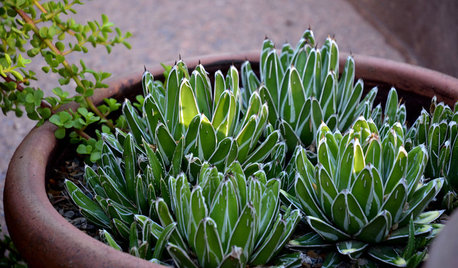
GARDENING GUIDES10 Small-Scale Agaves Just Right for Containers
Use these little living sculptures to enhance your outdoor spaces, from alfresco dining tables to urban courtyards
Full Story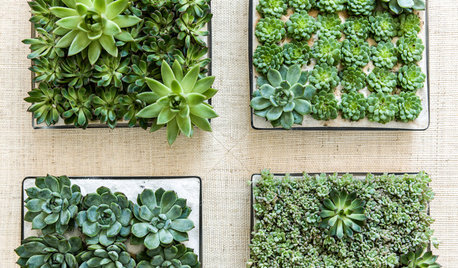
GARDENING GUIDESSucculents in Containers: The Ultimate Easy-Care Mini Garden
Show off your succulent collection with these 10 container design ideas for indoors or outside
Full Story
GARDENING GUIDES10 Creative Ideas for Cactus and Succulent Gardens
Arrange cactuses and succulents amid salvaged treasures, against a vibrant painted wall or in terraced beds
Full Story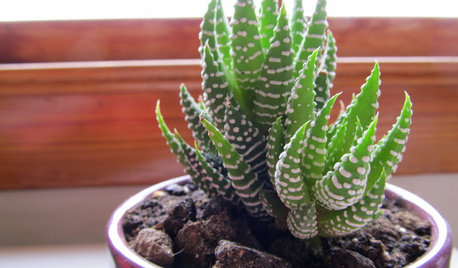
HOUSEPLANTSGrow This Pocket-Size Striped Succulent Indoors
Whatever you call this succulent — zebra plant, haworthia or Haworthiopsis — it makes a great tabletop houseplant
Full Story
HOUSEPLANTSCandelabra Tree Is One Cool Cactus Look-Alike
Here’s everything you need to know about growing this dramatic, easy-care plant indoors
Full Story
HOUSEPLANTSHow to Grow Jade Plants That Look Like Shrek’s Ears
These cute and quirky plants can be easy-care houseplants for adding green to your desk, bookshelf or tabletop
Full Story
PLANTING IDEAS7 Ways to Use Drifts and Masses In Your Garden
Whether in formal or natural landscapes, grasses or succulents planted en masse elevate the garden
Full Story
PLANTING IDEASGorgeous Plants for Mild-Climate Coastal Gardens
These trees, shrubs, grasses, perennial flowers and succulents thrive in sandy soils and sea air
Full Story0
PLANTING IDEASWinning Garden Combo: Agaves and Grasses
See if you agree that bold, spiky agaves and soft, luminous grasses make a perfect pair
Full Story
GARDENING GUIDESAlpine Plants: High Performers at Low Altitudes Too
So Heidi and the goats aren't your neighbors. Alpine plants can be lovely and low maintenance on difficult sites beyond the mountains
Full StorySponsored

Columbus Design-Build, Kitchen & Bath Remodeling, Historic Renovations


petrushka (7b)