

Organic or toxic free sofa?
7 years ago
Sort by:Oldest
Comments (3)

Related Stories
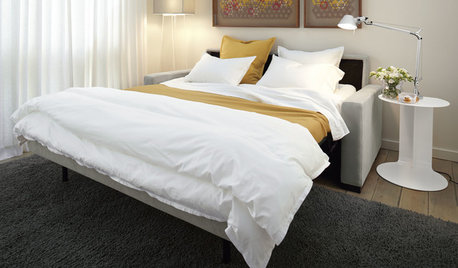
FURNITURESofa Secrets: How to Choose the Perfect Sleeper Sofa
Learn about the different types of sleepers and what to consider when choosing one for your home
Full Story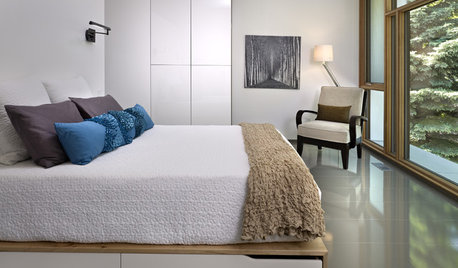
HEALTHY HOMESleep Happier and Healthier in a Toxin-Free Bedroom
Light pollution, toxic bedding, wallpaper that off-gases ... if you're not getting good sleep, these bedroom blights might be to blame
Full Story
DECORATING GUIDESLose It: How to Reuse, Recycle or Replace Your Sofa
Follow these tips and tricks to keep your worn-out couch from ending up in a landfill
Full Story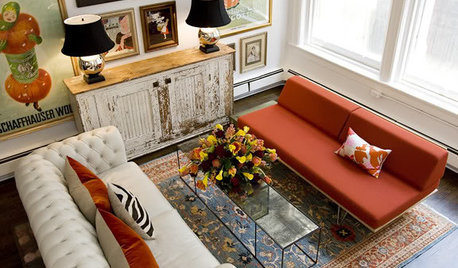
DECORATING GUIDESFeel Free to Break Some Decorating Rules
Ditch the dogma about color, style and matching, and watch your rooms come alive
Full Story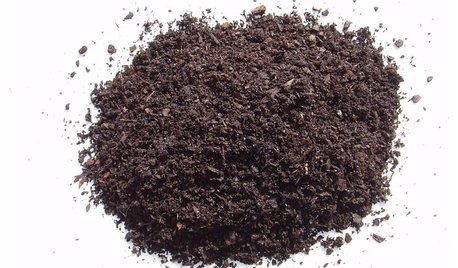
GARDENING GUIDESGet on a Composting Kick (Hello, Free Fertilizer!)
Quit shelling out for pricey substitutes that aren’t even as good. Here’s how to give your soil the best while lightening your trash load
Full Story
GARDENING GUIDESHow to Switch to an Organic Landscape Plan
Ditch the chemicals for a naturally beautiful lawn and garden, using living fertilizers and other nontoxic treatments
Full Story
FURNITUREHow to Buy a Quality Sofa That Will Last
Learn about foam versus feathers, seat depth, springs, fabric and more for a couch that will work for years to come
Full Story
MY HOUZZMy Houzz: Soothing Blues and Organic Style in a 1912 Fixer-Upper
His carpentry skills and her eye for design help a Pacific Northwest couple redo their home on a budget
Full Story
FURNITUREHow to Choose the Right Sofa Cushion
Shopping for a sofa? Here’s what to know about the basic cushion options — and the all-important test you must do for yourself
Full Story
MY HOUZZMy Houzz: Organic Minimalism in a Denver Redo
Before and After: Avid DIY-ers bring a 1970s home back to life with midcentury and bohemian decor
Full Story

iCustomSofa
Dave AdamsOriginal Author
Related Professionals
Sarasota Interior Designers & Decorators · Albany Interior Designers & Decorators · Wichita Interior Designers & Decorators · Newport News Interior Designers & Decorators · Mankato Interior Designers & Decorators · Providence Interior Designers & Decorators · Lake Havasu City Kitchen & Bathroom Designers · Chambersburg Cabinets & Cabinetry · Sheboygan Cabinets & Cabinetry · Juneau Cabinets & Cabinetry · Garden City Interior Designers & Decorators · London Interior Designers & Decorators · Anderson Furniture & Accessories · Danville Furniture & Accessories · Eugene Furniture & AccessoriesDave AdamsOriginal Author