

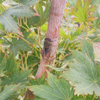
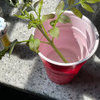
Aphids on bay tree
7 years ago
Featured Answer
Sort by:Oldest
Comments (16)
 7 years ago
Related Professionals
Charlotte Landscape Architects & Landscape Designers · Saint Cloud Landscape Architects & Landscape Designers · La Crosse Landscape Architects & Landscape Designers · Bartlesville Landscape Contractors · Miami Landscape Contractors · Florence Landscape Contractors · Spartanburg Landscape Contractors · Longview Landscape Contractors · Lebanon Landscape Contractors · Sioux Falls Landscape Contractors · Eugene Landscape Contractors · Rochester Home Additions · Middletown Home Additions · Erie Home Additions · Elko Home Additions 7 years ago
 7 years ago
- 7 years ago
- 7 years ago
- 7 years ago
- 7 years ago
- 7 years agolast modified: 7 years ago
- 7 years ago
- 7 years ago
 7 years ago
- 7 years ago
- 7 years ago
- 7 years agolast modified: 7 years ago
- 7 years ago
Related Stories

MODERN HOMESHouzz Tour: A Great Escape Hugs Cliff and Tree
A New Zealand getaway makes the most of its stunning island location with a cliff-clinging design and modern rustic style
Full Story
HOUZZ TOURSHouzz Tour: A Modern Getaway Nestled in the Trees
Nature views and bold materials star in a California vacation house for Chicago newlyweds
Full Story
GARDENING AND LANDSCAPINGArbor Day Applause: Iconic Los Angeles Trees
Step aside, palm trees. California's native trees offer landscapes a huge variety of styles, personas and foliage
Full Story
ROOM OF THE DAYRoom of the Day: Colorful Midcentury Style by the Bay
For her San Francisco living room, a designer pulls together vintage pieces from near and far
Full Story
SPRING GARDENING7 Spectacular and Practical Spring-Flowering Trees
Put on a beauteous show in the garden with a landscape tree awash in flowers — just do your homework first
Full Story
GARDENING GUIDESHow to Keep Your Citrus Trees Well Fed and Healthy
Ripe for some citrus fertilizer know-how? This mini guide will help your lemon, orange and grapefruit trees flourish
Full Story
GARDENING GUIDESGrow Your Own Privacy: How to Screen With Plants and Trees
Use living walls to lower your home and garden's exposure while boosting natural beauty in your landscape
Full Story
WINDOWSThe Best Uses for a Bay Window
See how to furnish a bay window or merely enjoy the view more, in both casual and formal settings
Full Story
DESIGNER SHOWCASESTour the 2020 Kips Bay Decorator Show House Dallas
See how designers transformed a sprawling Texas mansion with earth tones and rich textiles for the charity design event
Full Story
HOUZZ CALLShow Us Your Christmas Tree!
Are you proud of your holiday handiwork? Share a well-lighted picture of your decorated tree and tell us about it
Full Story

floral_uk z.8/9 SW UK