

A slow sudden decline
7 years ago

Featured Answer
Sort by:Oldest
Comments (9)
Related Professionals
Pittsburg Landscape Architects & Landscape Designers · Charlottesville Landscape Architects & Landscape Designers · Manchester Landscape Architects & Landscape Designers · Fayetteville Landscape Contractors · Oxford Landscape Contractors · Houston Landscape Contractors · North Adams Landscape Contractors · Portsmouth Landscape Contractors · Bridgeport Landscape Contractors · Bainbridge Home Builders · Poplar Bluff Home Builders · Laredo Home Builders · Fargo Home Builders · Brooklyn Home Builders · Great Falls Home Builders 7 years ago
- 7 years ago
 7 years ago
- 7 years ago
- 7 years agolast modified: 7 years ago
Related Stories

LIFESlow Down and Ease Up: A Sanity-Saving Approach to Life
Why not take the pressure off and live a little more consciously in 2017? The challenging goals can wait
Full Story
INSIDE HOUZZData Watch: Labor Shortages Drive Up Project Costs, Slow Down Timelines
The Q3 2016 Houzz Renovation Barometer shows building professionals are feeling good about the industry, despite ongoing hiring challenges
Full Story
LIFEWhen You're Suddenly Solo at Home
Whether you stay in a home alone or move on, these strategies from professional organizers can help you with the process
Full Story
LANDSCAPE DESIGNHow to Design Your Landscape to Slow Down Water
Putting the brakes on stormwater runoff is the first step in sustainable water design
Full Story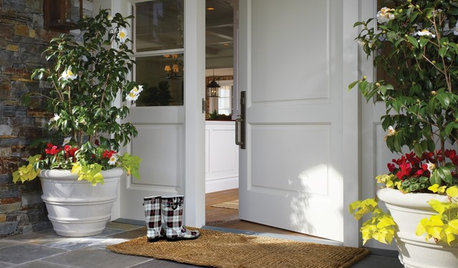
MOST POPULARThe Polite House: On ‘No Shoes’ Rules and Breaking Up With Contractors
Emily Post’s great-great-granddaughter gives us advice on no-shoes policies and how to graciously decline a contractor’s bid
Full Story
GARDENING GUIDESThe Quotable Garden: Writings That Will Grab Your Heart
Maybe you’ll see yourself in these reflections. Or maybe you’ll find a whole new way of looking at gardening
Full Story
GARDENING GUIDES7 Ecofriendly Gardening Ideas That Also Cut Chore Time
Spend less time weeding, less money watering and more moments just sitting back and enjoying your healthy garden
Full Story
LIFE10 Steps for Saying Goodbye to Sentimental Objects
Are keepsakes cluttering your space and your life? Consider this approach for letting go and moving on
Full Story
INDUSTRY RESEARCHRemodeling and Design Firms Show Drop in Optimism Amid COVID-19
The Q2 Houzz Renovation Barometer shows a plunge in confidence as businesses face fallout from the pandemic
Full Story
LIFE10 Ways to Cope With Grief During the Holidays
If you are experiencing loss, take it from an experienced griever — life has changed forever, but it does get better
Full Story



ken_adrian Adrian MI cold Z5