

HRV or ERV for Cold Climate
7 years ago
Sort by:Oldest
Comment (1)
Related Stories
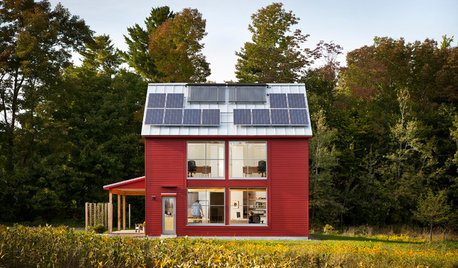
GREEN BUILDINGHouzz Tour: See a Maine House With a $240 Annual Energy Bill
Airtight and powered by the sun, this energy-efficient home in a cold-winter climate is an architectural feat
Full Story
CONTEMPORARY HOMESHouzz Tour: Toasty Warm and Energy-Efficient in Utah Ski Country
An architect builds his own first home with passive house standards at the forefront
Full Story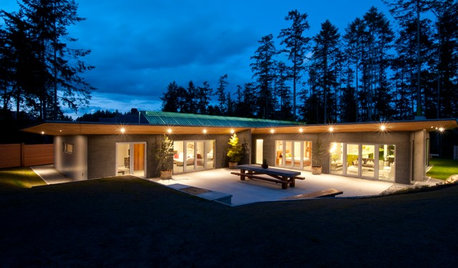
GREEN BUILDINGHouzz Tour: See a Concrete House With a $0 Energy Bill
Passive House principles and universal design elements result in a home that’ll work efficiently for the long haul
Full Story
HEALTHY HOMEGet Cleaner Indoor Air Without Opening a Window
Mechanical ventilation can actually be better for your home than the natural kind. Find out the whys and hows here
Full Story
HOUZZ TVHouzz TV: Amazing Indoor-Outdoor Architecture Near Venice Beach
Africa-inspired courtyards, exterior shades and an impressive art collection combine in a dynamic L.A. home
Full Story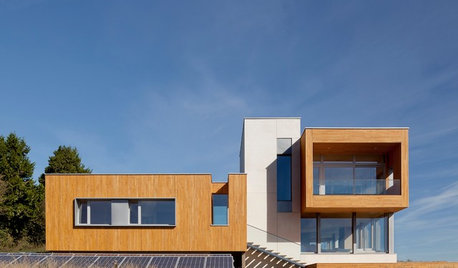
GREEN BUILDINGSunlight Used Right: Modern Home Designs That Harness Solar Power
Embracing passive heating principles through their architecture, siting and more, these homes save energy without skimping on warmth
Full Story
MATERIALSInsulation Basics: What to Know About Spray Foam
Learn what exactly spray foam is, the pros and cons of using it and why you shouldn’t mess around with installation
Full Story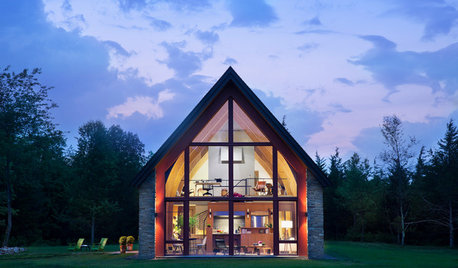
GREEN BUILDINGThe Passive House: What It Is and Why You Should Care
If you don’t understand passive design, you could be throwing money out the window
Full Story
GREEN BUILDINGInsulation Basics: Heat, R-Value and the Building Envelope
Learn how heat moves through a home and the materials that can stop it, to make sure your insulation is as effective as you think
Full Story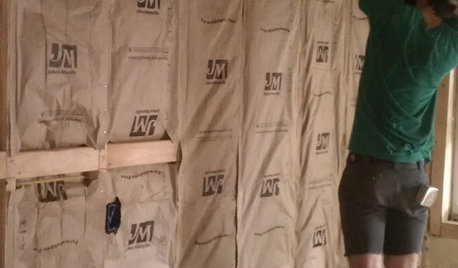
REMODELING GUIDESCool Your House (and Costs) With the Right Insulation
Insulation offers one of the best paybacks on your investment in your house. Here are some types to discuss with your contractor
Full Story
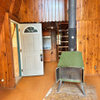
MiniSplit Heat
Related Professionals
Belleville General Contractors · Bloomington General Contractors · Monroe General Contractors · Albuquerque General Contractors · Hobbs General Contractors · West Plains Home Remodeling · Rockford Home Remodeling · Edison Home Remodeling · Mansfield Home Remodeling · Monroe Home Remodeling · Sheridan Home Remodeling · Effingham Bathroom Remodelers · Manchester Bathroom Remodelers · Tucson Bathroom Remodelers · El Paso Bathroom Remodelers