

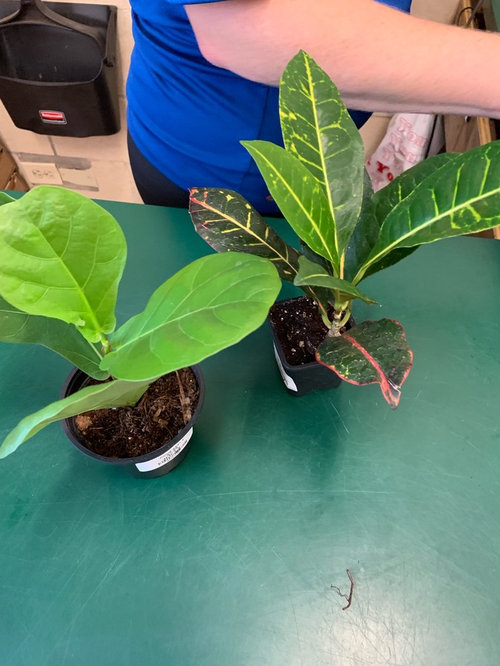
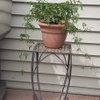
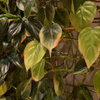
Fiddle Fig and Croton Up Pot
7 years ago
Sort by:Oldest
Comments (5)

Related Stories
HOUSEPLANTSPlay Up Some Fiddleleaf Figs for a Lively Indoor Tune
Strike a dramatic chord in a minimalist scene or a country note in a rustic setting — fiddleleaf fig plants harmonize with any style
Full Story
HOUSEPLANTSSee How Fiddleleaf Fig Trees Can Liven Up Your Decor
The tropical houseplant with big green leaves adds a cheerful and striking design element to rooms
Full Story
LIVING ROOMSNew This Week: How to Punch Up a Modern White Living Room
Consider these easy combinations to bring personality, color and texture to your neutral backdrop
Full Story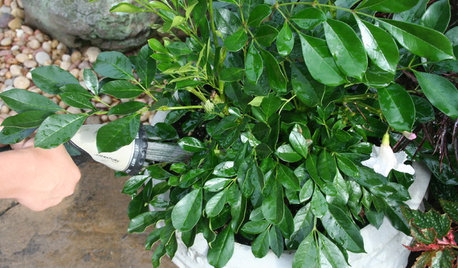
CONTAINER GARDENSContainer Garden Basics: How and When to Water Potted Plants
Confused about soil moisture, the best time to water and what watering device to use? This guide can help
Full Story
DECORATING GUIDES10 Ways to Spice Up Your Dining Room
Get this gathering spot ready for guests with a few ambience-enhancing tweaks
Full Story
DECORATING GUIDESBudget Decorator: 12 Ways to Perk Up Your Home for Fall
Get crafty or shop strategically to give your nest that extra-special touch while you’re cozying up on chilly days
Full Story
MY HOUZZMy Houzz: Books and String Lights Cozy Up an L.A. Loft
Devoted hours and Disneyland-like whimsy create a strikingly personal style in downtown Los Angeles
Full Story
CONTAINER GARDENSHappy Houseplants, Happy People
Potted plants add life and beauty to a room. Learn easy ways to keep them healthy
Full Story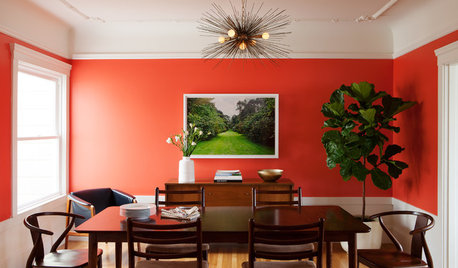
ROOM OF THE DAYRoom of the Day: Bright Red Dining Room Glows in Fog City
Mist can put a damper on the mood in San Francisco, but this lively room fires up the energy
Full Story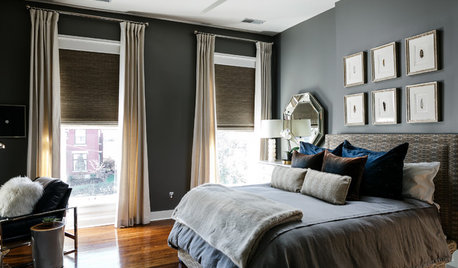
BEDROOMSA Little Design Help Goes a Long Way in This Bedroom
A Kentucky couple bring in a designer to polish up a bedroom redesign project they had started
Full Story
Christian 7b NCOriginal Author
tapla (mid-Michigan, USDA z5b-6a)
Related Professionals
Topeka Landscape Architects & Landscape Designers · Houma Landscape Contractors · Sioux Falls Landscape Contractors · Evanston Landscape Contractors · Middletown Architects & Building Designers · Cookeville Landscape Architects & Landscape Designers · Fort Worth Landscape Architects & Landscape Designers · Portland Landscape Architects & Landscape Designers · Ocala Landscape Contractors · Bowling Green Landscape Contractors · Springfield Landscape Contractors · Niles Landscape Contractors · Coeur d'Alene Landscape Contractors · Hartford Interior Designers & Decorators · Bloomington Interior Designers & Decoratorsnicholsworth Z6 Indianapolis
tapla (mid-Michigan, USDA z5b-6a)
nicholsworth Z6 Indianapolis