Software
Houzz Logo Print
pk000313

Newer Arborvitae struggling

Planted these in late April. Tried my best to water them properly, but not sure if this is a factor.

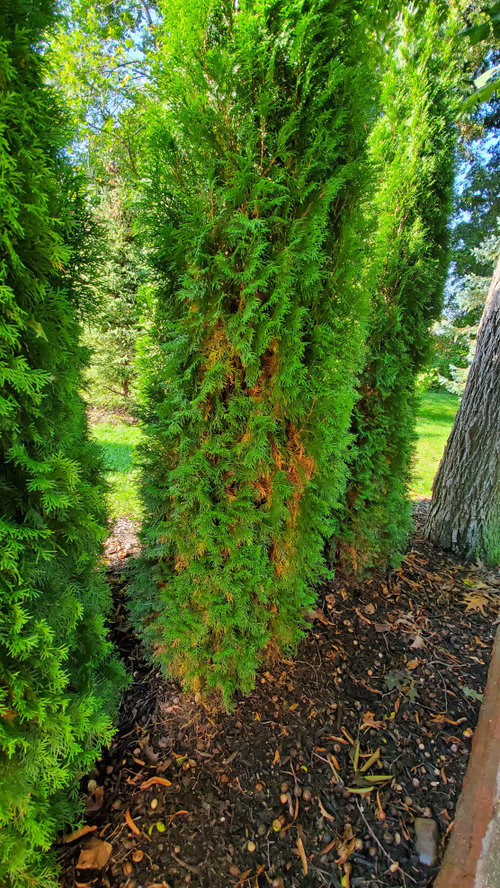
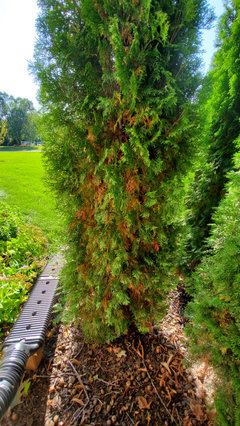
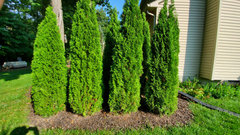
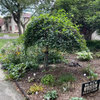
It is a group of 8 emerald greens staggered in 2 rows. As you can see, the side that gets a lot of sun looks pretty good, but the other side which gets hardly any direct sun has really started to turn yellow and eventually brown, on pretty much all of the plants. It seems like over the last month or so they look much worse than they did in June or July.

Is this just the result of lack of sun? It is possible they were over or underwatered. I watered them in at planting, then let the spring rains do the watering. From June 1st I started watering twice a week with a slow hose for 8 minutes per plant. I recently have cut back to once a week.

Comments (15)

  • 7 years ago

    oops, forgot to attach all the pics

  • 7 years ago

    sunny side

  • 7 years ago
    last modified: 7 years ago

    95% of the time I watered by placing the hose on the ground by the root ball area. A few times I didn't have a lot of time and soaked down the plants with the hose on shower mode. This was always done from the shady side. I wonder if that could have contributed to some dieback from the excessive wetness on the foliage?

  • 7 years ago

    They will end up thinner on the shaded side no matter what.


    They'll be fine at the end of the day. Millions of homeowners have a similar set-up. Its probably the most commonly planted grouping in the US.


  • 7 years ago

    Yeah, I just see so many dead brown emerald greens all over the place. This particular screen is important to me as it gives my patio privacy. I have a baby on the way next spring so I don't want to have to fool around replacing plants next year. I had a lot of stuff planted this year and a few don't look so hot.

  • 7 years ago

    Arbs don't like to be overwatered - somewhat touchy like PInes during establishment.

    Give them a good watering late October or early November if needed and call it a day.


    Your Arbs look pretty good for an April planting to tell you the truth. Worry about the baby not these arbs lol


  • 7 years ago

    We are starting to get rain here in Michigan. The temps are going to be cooling to 60'/40's (today is 81 high). Should I stop watering my new deciduous trees, hydrangea, hostas, ferns, etc. for the most part now? Would it be bad for them to experience a dry week or 2 if it doesn't rain?

  • 7 years ago

    interior yellowing.. then browning.. and then shedding is ENTIRELY NORMAL ....


    and it is increased by any stress .... like digging.. shipping.. transporting to your house.. and then planting ... and can be increased by weather.. like high heat and drought ...


    simply ignore it ...


    the future is all in the growth points... and its only when those are yellowing.. that you have trouble ...


    ive gotten 3 to 5 inches of rain here in my SE MI ... havent you been getting great moisture from ma nature?? .. if so ... then you ought to be all set ...


    but if you arent sure.. go dig some 3 to 6 inch holes.. AND FIND OUT ... sure ive told you that over the years ...


    keep checking deep into late fall .. though you should be all set ... if you got the rain ...


    ken


    ps: and btw.. as the plants grow and expand.. the interior end up in total shade.. and you will eventually find that the plants are completely bare inside ... and that is also normal.. per the above ...

  • 7 years ago

    Level of browning being asked about here is above normal, in the second shot in particular it can be seen that sections of the not yet brown foliage outside of the current browning is becoming glassy looking - as though the specimen may go brown all the way out to the tips in those parts later.

    If it were mine I would take a hand magnifier and check the glassy looking parts for mites. I would also poke around in the original soil balls of affected plants to see if in fact there is a dryness issue. Field grown plants planted with intact soil balls can often have problems with these balls drying out a resisting re-wetting after planting. Plants installed with undisturbed potting soil on their roots may frequently have this material constantly shed water to finer textured natural or partly modified (amended) soils around them in the planting hole.

    Thuja occidentalis (and the related T. plicata) are often wetland trees in the wild. However the T. occidentalis 'Smaragd' being asked about here is more prone to root rot than usual for the species. Puddling water or infested dirty water being splashed around are the kinds of conditions that promote root rot, and not moistness of well aerated soils where water drains away completely, without backing up. (An intact natural swamp with all factors in balance - including the effects that peat mosses have on involved water, as well as that water often being cool and shaded - is not that same as warm, muddy conditions in an open field or recently bulldozed home building lot).

  • 7 years ago

    I don't disagree with Embothrium, the damage does look concerning to me. But if it was a watering issue, shouldn't similar browning occur on the other side of the plant as well?

  • 7 years ago

    Next I would do as I suggested, instead of wondering without any investigation having taken place.

  • 7 years ago

    Like ken mentioned, there is a myriad of things that can cause browning and most of them won't show the damage until Autumn. Being this is the time of year conifers decide to shed parts of the tree that aren't returning enough to keep them around.

    So most conifers look the worst in the Fall because a good portion of the browning is from needles the tree intends to shed anyways, because of their age and you add that to any damage done during the time it was dug at the nursery, b&b'd, loaded on the truck, delivered to your place, planted, survived a hot, windy summer, with only a portion of it's original roots and the tree can look pretty bad.

    A lot of that brown will simply fall off later in the season and new growth next spring will fill in the voids. Give it time. Right now the tree is focused primarily on making roots so I agree, make sure the root balls are getting what they need. :-)


  • 7 years ago

    I don't see any spider mites from what I can tell, but there are a few wicked looking spiders that I have left undisturbed.

  • 7 years ago
    last modified: 7 years ago

    The lowest and inmost parts of the tree get shed first.

    One very hot day without sufficient water is enough to cause damage.

    90% of the roots are lost when they dig the tree. Roots will elongate this fall and new roots will develop next spring. The tree will be less susceptible to dryness next year but will still need supplemental water if prolonged dry spells occur next summer.

    But that's a good idea to inspect the tree to make sure there's not an insect problem.