

Rubber Tree Dropping Leaves!!!
7 years ago
Sort by:Oldest
Comments (2)

Related Stories
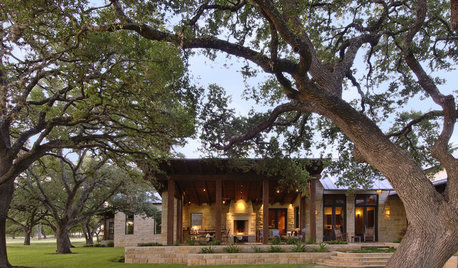
GARDENING GUIDESTree Care: Common Tree Diseases and What to Do About Them
Learn to recognize trees that may be affected by diseases or pests so you can quickly take action
Full Story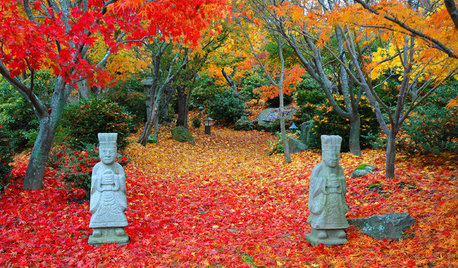
FALL GARDENING11 Trees for Brilliant Fall Color
Give your landscape the quintessential look of autumn with the red, orange and yellow leaves of these standouts
Full Story
FALL GARDENING5 Ways to Put Fall Leaves to Work in Your Garden
Improve your soil and yard the organic way with a valuable garden booster that grows on trees
Full Story
CHRISTMASReal vs. Fake: How to Choose the Right Christmas Tree
Pitting flexibility and ease against cost and the environment can leave anyone flummoxed. This Christmas tree breakdown can help
Full Story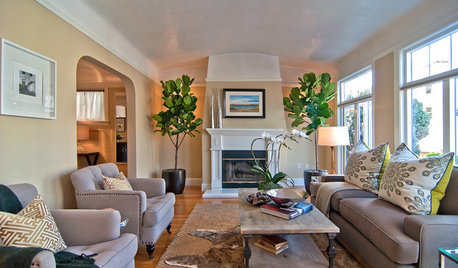
HOUSEPLANTSSee How Fiddleleaf Fig Trees Can Liven Up Your Decor
The tropical houseplant with big green leaves adds a cheerful and striking design element to rooms
Full Story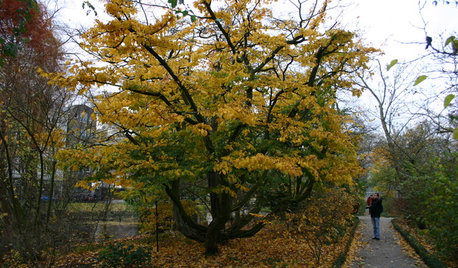
GARDENING AND LANDSCAPINGGreat Design Tree: Persian Ironwood
Plant this unusual deciduous stunner for seasonal interest year-round
Full Story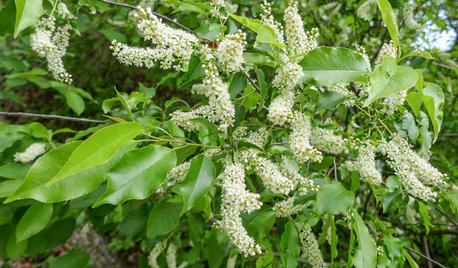
GARDENING GUIDESPlant Black Cherry Trees for the Birds and Bees
Plant Prunus serotina in the Central and Eastern U.S. for spring flowers, interesting bark and beautiful fall color
Full Story
GARDENING GUIDESGreat Design Plant: Honey Locust Tree
No, it doesn't actually produce honey. But its dappled light and tolerant nature are treats in city and country settings alike
Full Story
TREES10 Spectacular Trees for Courtyards and Tight Spaces
Here are some top small-scale trees for 4-season interest, easy care and little mess
Full Story
HOUSEPLANTSGet a Dash of the Rain Forest With Madagascar Dragon Tree
This living decoration reaches up to 15 feet, has minimal needs and adapts to different light levels — just steer clear of fluoride
Full Story



Faith AwkermanOriginal Author
tapla (mid-Michigan, USDA z5b-6a)
Related Professionals
Atlanta Landscape Architects & Landscape Designers · Augusta Landscape Architects & Landscape Designers · Austin Landscape Architects & Landscape Designers · Keene Landscape Architects & Landscape Designers · Las Cruces Landscape Architects & Landscape Designers · Boise Landscape Architects & Landscape Designers · Barnstable Landscape Contractors · Bloomington Interior Designers & Decorators · Indianapolis Interior Designers & Decorators · Springfield Interior Designers & Decorators · Lawrenceburg Interior Designers & Decorators · Petersburg Interior Designers & Decorators · Newport Interior Designers & Decorators · Westerly Interior Designers & Decorators · Superior Interior Designers & Decorators