

composting in containers
6 years ago
Featured Answer
Sort by:Oldest
Comments (9)
 6 years ago
Related Professionals
Taunton Landscape Architects & Landscape Designers · Wausau Landscape Architects & Landscape Designers · Norfolk Landscape Contractors · Huntsville Architects & Building Designers · Fort Smith Landscape Architects & Landscape Designers · Cambridge Landscape Architects & Landscape Designers · McAllen Landscape Architects & Landscape Designers · San Francisco Landscape Architects & Landscape Designers · New Orleans Landscape Contractors · Rolla Landscape Contractors · Portsmouth Landscape Contractors · Keene Landscape Contractors · Kissimmee Home Additions · Topeka Home Additions · Rochester Home Additions- 6 years ago
 6 years ago
 6 years ago
 6 years ago
 6 years ago
- 6 years ago
- 6 years ago
Related Stories
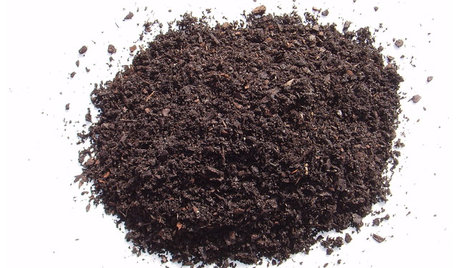
GARDENING GUIDESGet on a Composting Kick (Hello, Free Fertilizer!)
Quit shelling out for pricey substitutes that aren’t even as good. Here’s how to give your soil the best while lightening your trash load
Full Story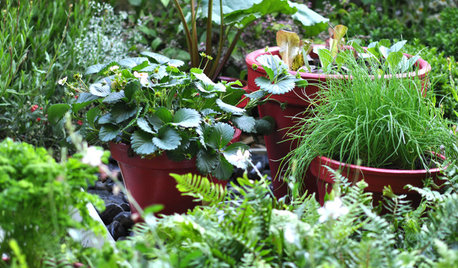
FARM YOUR YARDHow to Grow Vegetables in Containers
Get glorious vegetables and fruits on your patio with a pro’s guidance — including his personal recipe for potting mix
Full Story
CONTAINER GARDENS3 Steps to Creating Quick, Easy and Colorful Succulent Containers
Take a bright container, add a colorful succulent or two and have a professional, summery design in minutes
Full Story
CONTAINER GARDENSContainer Gardening Basics: The Dirt on Soil
Learn the types of potting soil available and the best mixes to help your containers thrive
Full Story
CONTAINER GARDENSBeat the Frost With Natural Terra-Cotta Containers
Here's how to protect your pots during the cold winter months
Full Story
FARM YOUR YARD10 Easy Edibles to Grow in Containers
These herbs, vegetables and fruits are just as happy in a pot as they are in the ground
Full Story
URBAN GARDENSContainers Make Growing Edibles a Cinch
If life hands you a lack of land, grow lemons — with a few basics, you can proudly reap the fruits, veggies and herbs of your labor
Full Story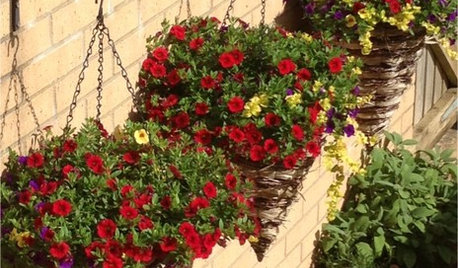
CURB APPEALCrazy for Colorful Cones: 5 Container Plantings Beyond the Bowl
Give even a small garden an exuberant vibe with hanging cones overflowing with blooming beauties
Full Story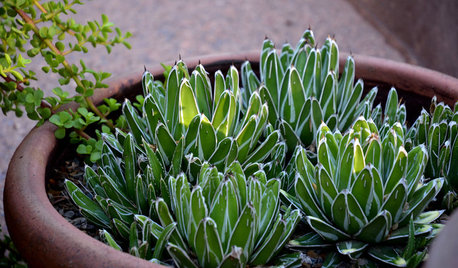
GARDENING GUIDES10 Small-Scale Agaves Just Right for Containers
Use these little living sculptures to enhance your outdoor spaces, from alfresco dining tables to urban courtyards
Full Story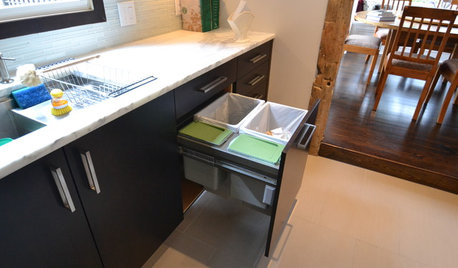
SHOP HOUZZShop Houzz: 4 Ways to Show You Really Love Our Planet
Compost, recycle and save water and energy with these earth-loving picks
Full Story
gardengal48 (PNW Z8/9)