Software
Houzz Logo Print
aglitter

Seeking Beleza Soapstone Fissures & Oiling Advice

6 years ago
last modified: 6 years ago
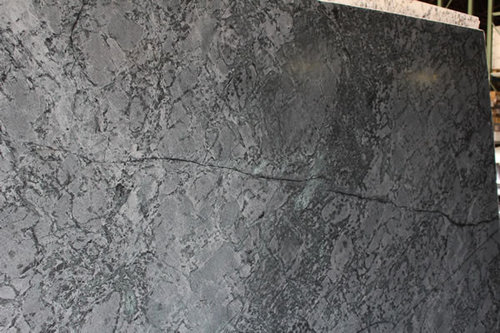
Thanks to positive reviews about soapstone from Houzz forum contributors, my husband and I included the Dallas, Texas, location of soapstone specialist Dorado in our search for new kitchen countertop material and found there a hard Brazilian variety of soapstone we are considering as our final choice called Beleza (4 to 4.5 on the Mohs scale). Now after searching the Houzz archives concerning other Beleza installations, I'm posting this thread to see if anyone may advise us on our remaining questions about fissures/cracks and oiling, as follows:

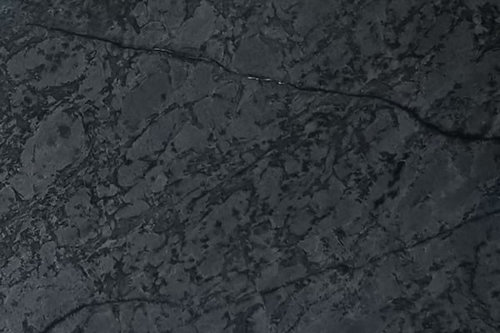
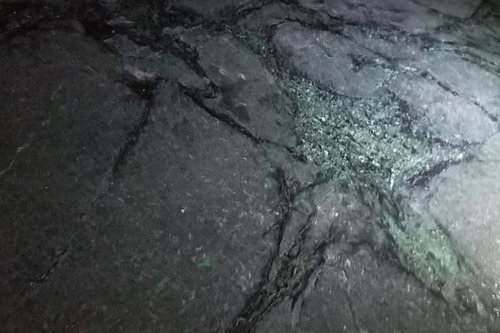
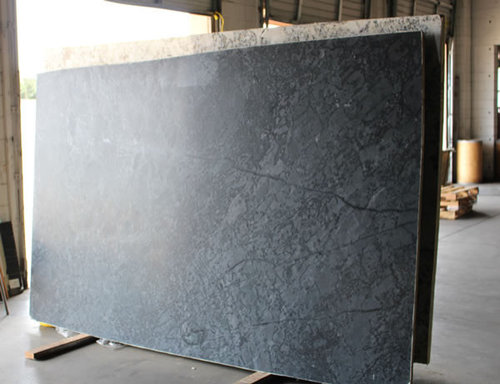
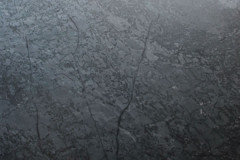
  1. All of the Beleza slabs in stock locally have extensive fissures and some pitting which is too widespread to be able to avoid with our cutting layout. The warehouse manager assures us that the fissures won't affect durability and the pits can be filled. Other threads here at Houzz show Beleza installations without any fissures perhaps indicating better stock may have been available in the past, comments on the policy of Garden State Soapstone to supply fissure-free and pit-free slabs as a quality control measure, and one consumer whose Beleza soapstone from Dorado developed 2 "fairly major" cracks along fissure lines within weeks of installation in 2010 and was told by Dorado that since Beleza is a harder variety, it is "prone to cracking." Should we stay away from these fissure-heavy Beleza slabs due to concern about cracks opening up? We have a long stretch of 8" deep unsupported overhang as part of our planned installation.
  2. While I'm satisfied with the look of Beleza either oiled or unoiled, my husband prefers the oiled look and wants to keep it that way if we proceed with this selection. Our soapstone fabricator told us that Beleza due to its hardness won't work well with the longer lasting wax-based treatments and that we'll need to use straight oil which I've read can evaporate quickly or in blotchy patterns on harder soapstones. Will this hard variety of soapstone be a bad choice for us in maintenance hours if I'm needing to keep it looking oiled all the time?
  3. The current finish on the Beleza slabs is polished, but I've read that soapstone is easier to keep looking good when honed to 80 grit. Does this primarily apply to softer soapstones or should I request refinishing to 80 grit if we select this stone? Our soapstone fabricator does not usually change the existing finish of soapstones he fabricates.

Any advice would be most appreciated. Thank you!


Comments (8)

  • 6 years ago

    I _love_ my soapstone counters, which are Black Venata, a medium soft variety. They do show fine scratch’s and little chips occasionally, which fade away after a bit. In that respect they are “self healing” like wood counters. Softness and scratching is one thing, but I would not have gone with any slab (regardless of the hardness) with multiple fissures and pits. It’s true they can be filled in - I think they use a mixture of epoxy and powdered stone*, but I’ve wondered whether the fixs don’t look different from the rest of the surface once oiled. And why go with something that you will worry about? Waiting to see whether cracks will develop could destroy a lot of your pleasure in the counter.

    The Dorado website shows a nice PA, also pretty hard. Maybe that’s an option? Regarding oiling or waxing, the darker soapstones tend to be harder and oil or wax evaporates off them more quickly, but your counters will still darken over time in any case. Waxing just helps accelerate the process. Mine look beautiful and dramatic when fully oiled, but I actually love them best as the mineral oil is evaporating away and they look more natural. I think you too will like them both ways. I’d worry more about the “polish” of the slabs you are considering. Soapstone should be matte, turning only a little glossier after being oiled. Dorado has a good reputation, but frankly none of that sounds reassuring.

    About the eight inch unsupported overhang - I would ask both the stone yard and installers if that will be a problem if a 200lb person decides to stand on it. People do that - cleaning walls, changing light bulbs, whatever.

    * supposedly an epoxy stone combo is even stronger that the stone itself.

    Aglitter thanked jad2design
  • 6 years ago
    last modified: 6 years ago
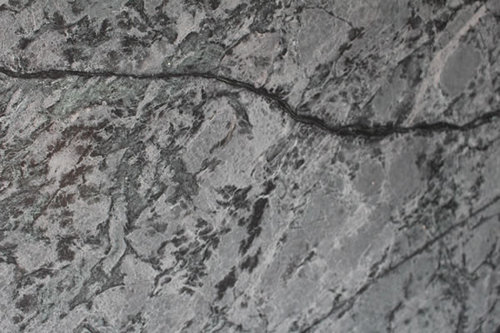
    @jad2design Thanks for your insight from having lived with your Black Venata counters. I do recall seeing at the Dorado warehouse the PA soapstone you mentioned, but we were taken by the beauty of the Beleza and its relatively harder composition. I will share with my husband your comments about darkening over time since that is important to him.

    @Jay Tauber Thanks immensely for your professional insight. If it is possible, we might want to discuss with you later purchasing some of your Beleza/Lourdes shipment that arrives next year if it is more fissure-free than the slab I pictured above. It's good to know that with the oil treatment you recommend we can expect to see a darkening in the color. I really appreciate your taking time to leave such a detailed comment for us, and we will review and discuss your advice.

    One more question for @Jay Tauber, so you're saying my photos look like high-quality Beleza and that you rarely see what you would call fissures in Beleza, so are these lines that the warehouse supervisor is telling me are "fissures" actually more of a normal pattern variation and nothing to worry about? More photos:


  • 6 years ago

    These are just pictures so without standing in from of the slab its is hard to give you my true professional opinion. However Beleza has this type of character in the background or depth if the stone. Have a look at the back of the slab as well. If this is a fissure and our a repair you should be able to see it at the back of the slab, as well.

    Aglitter thanked Jay Tauber
  • 6 years ago

    @Jay Tauber These linear markings haven't been resined or epoxied from the front, and except for a rare pit cannot even be felt, but I can definitely try to take a look at the back and see if they extend throughout the depth of the slab. Thanks for that tip! The slab backs are covered with a mesh coating which I assumed was a mark of a more fragile slab and the resulting effort to keep it intact, but it could be that mesh backings are common with all soapstone which as a category is softer than granite. Granite starts at a 6 on the Mohs scale, and I've never seen soapstone reach much beyond a 4 or 4.5 on the Mohs scale available at retail. Thanks for all your expert advice! My husband and I are reviewing your comments and plan to renew our consideration of this material. I've taken note of your email address and will be in touch if we have more questions about the products you carry at Garden State Soapstone.

  • 6 years ago

    The resin backing is typical for all soapstone or most natural stone. Use the palm of your hands to move over the slab. Also ask the supplier to wet the slab as well. Fissures will absorb the water and stay wet or darker. Unless they have been repaired. Good luck

    Aglitter thanked Jay Tauber
  • 6 years ago

    @Jay Tauber Thank you for that reminder to do a water test for fissures. This was suggested on another soapstone thread at Houzz, but I had forgotten about doing it in our case. We plan to head back to the warehouse and follow all your suggestions including examining the underside of the slab.

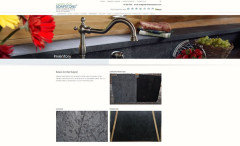
    Also, I just found photos of your Beleza stock at your Garden State Soapstone website, and the lower left image shows a similar striation mark to the pictures posted above. While I do think the warehouse manager used the word fissure in talking about these marks, he also described these linear markings as common in harder soapstones where the minerals pushed up against each other when the rock was forming and that these patterns aren't seen in the softer varieties of soapstone. Geologically speaking, I think the term fissure usually refers to a crack that has already opened up or that may have opened up and been filled with alternative mineral deposits, whereas these lines in Beleza appear to be a solid part of the surrounding material. We'll be giving Beleza soapstone a close second look for our kitchen.

    Thank you! Image courtesy Garden State Soapstone serving customers in New Jersey, New York, Connecticut, Pennsylvania, Delaware, Maryland, and in the five boroughs of NYC: Manhattan, Bronx, Queens, Brooklyn, and Staten Island.


  • 6 years ago

    I'm the OP and wanted to come back with an update on what appears to be fissures in the Dorado Soapstone Dallas warehouse Beleza soapstone stock I pictured in my original post and in the comments, with precisely similar types of markings in the Beleza stock pictured on the Garden State Soapstone website, screenshot above. These dark, linear lines are indeed fissures, and they've been repaired at the quarry before transport. A soapstone specialist from my area reviewed the slabs with me and recognized this immediately. We did a water spray and wipe test and saw that the water reacted differently over the repaired areas, more beaded up than on the untreated soapstone. It is difficult to see if the fissures extend through the entire slab because of the mesh backing, but the fabricator wants to avoid the fissured areas for a seating overhang that we have planned. The Dorado slabs also had significant pitting that will need to be repaired before fabrication. Even so, this material is my favorite out of hundreds of slabs of different natural stones that I viewed, so the plan is to proceed with installation. The Beleza is harder than many other varieties of soapstone so won't scratch easily, but it will still offer the water and chemical resistance plus smooth surface for which soapstone has become so popular.

    Also, as a follow up to a question in my original post, a lot of the risk of cracking with a more dense stone can be alleviated by proper leveling of cabinetry and shimming of the countertop during installation. I believe that the Houzz user who posted elsewhere about a large crack in Beleza had trouble with cabinetry being level.

    As to changing the surface, the fabricator informed me that I would bear a cost of $400 USD per slab to have this done, and since the current polished surface looks good as it is, this isn't a cost that seems necessary at this time. I think much of the advice to hone soapstone to 80 grit is generally meant for more traditional varieties of soapstone that are softer than Beleza.