Software
Houzz Logo Print
webuser_990628425

garage heaters and patio heaters

Two heater questions, I'm hoping can get answers one both in one post! We are 1.5 years into enjoying our new build and two things we want to follow up on are installing an infratech patio heater and also figuring out heat options for the garage.


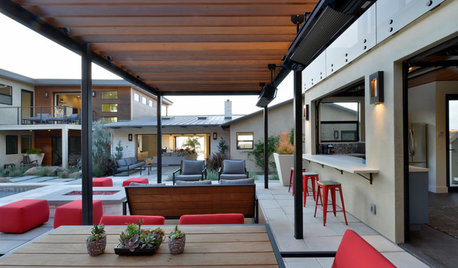
For the patio we had the electrician wire for future placement of a heater and now it is time to bite the bullet and choose one. I really like the small slim scale of the infratech models. But I don't know anyone who has had them for all that long who can attest to how good they are. The covered porch is 250 square feet with a seating area at one end and a table in the centre. There is a switch in the kitchen to turn it on/off but obviously nothing ordered or installed yet.


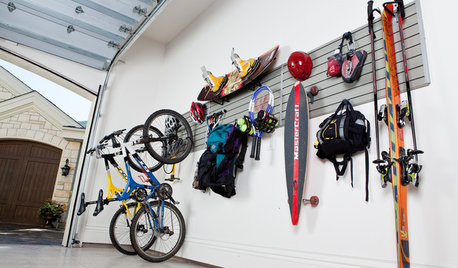
For our garage it is an attached garage we foolishly did not plan ahead to have heating in. I really want more consistent temperature control in there but I have no idea what our options are at this point. The space was insulated so it is warmed than just being outside but not by much! What options might we have?

Comments (10)

  • 6 years ago

    Do you have natural gas or propane or just electric? How big is the garage, what climate zone are you in and what temperature do you want?

  • 6 years ago

    We have natural gas but it would be work to get it into the garage. No propound. Electric is most viable.

    We live in Vancouver BC Canada I think zone 8

    I want it to be warm enough that if we leave wet things they dry out not get mould. It turns out the two items with mould were my husbands bike gear that were wet.

    Garage is 500 square feet. No window. Attached to house.

  • 6 years ago

    Agreed we don’t need it all to be heated at all. We can’t build a closet though. It’s like we need targeted heat. But I don’t know if that is possible. I asked locally and everyone I know here also has an insulated but cold garage.

  • 6 years ago

    Perhaps I used the wrong term, these are very common on the other side of the pond.

    https://professional.electrolux.com/gb/commercial-laundry-equipment/drying-cabinets-2/

  • 6 years ago

    Very cool!

  • 6 years ago

    Because the house we bought had a pellet stove in the living room and we really like it, my husband put one in the new 24x32' garage we had built. He starts it in the morning on days he plans on working out there and its off when he's not.

  • 5 years ago

    Types for Outdoor Heaters-

    https://www.heating-air-conditioning.org/

    Outdoor heaters typically use one of four main types of fuel sources — Natural Gas, Propane, Electric & Wood — each with their own set of pros and cons. Let’s take a closer look at each of the fuel types, and help narrow down which one is best for you.


    1. Propane

    Propane heaters are pretty easy to add to your patio or yard. They don’t usually require professional installation, so it’s just a matter of putting them together, attaching the gas tank, and turning them on.


    Unfortunately, they cost more than natural gas outdoor heaters in the long run and you should plan on replacing the gas tank every so often if you go with this option, but the startup convenience appeals to many users. And when the propane tank does run out, it’s incredibly easy to replace the tank with a new one.


    Benefits:

    Heat up fast.

    No installation required.

    Portable; Can be moved to where you need the heat the most.

    To Keep in Mind:

    Propane costs more than natural gas.

    Gas tanks will need to be replaced periodically.

    Shouldn’t be used in a covered or enclosed space.


    2. Natural Gas

    Natural gas outdoor heaters will usually require professional installation, since you’ll need them to be hooked up to your gas line. Because of this, they can cost quite a bit more upfront than other types of outdoor heaters — both for the heater itself and the installation costs. However, they’re the cheapest to use once you have them installed and they’re incredibly easy to maintain.


    Benefits:

    Cheap to use.

    Easy to maintain.

    To Keep in Mind:

    Expensive to buy and install.

    Can’t use in a covered or enclosed space.

    May be difficult to move due to natural gas line.


    Outdoor heaters typically use one of four main types of fuel sources — Natural Gas, Propane, Electric & Wood — each with their own set of pros and cons. Let’s take a closer look at each of the fuel types, and help narrow down which one is best for you.


    1. Propane

    Propane heaters are pretty easy to add to your patio or yard. They don’t usually require professional installation, so it’s just a matter of putting them together, attaching the gas tank, and turning them on.


    Unfortunately, they cost more than natural gas outdoor heaters in the long run and you should plan on replacing the gas tank every so often if you go with this option, but the startup convenience appeals to many users. And when the propane tank does run out, it’s incredibly easy to replace the tank with a new one.


    Benefits:

    Heat up fast.

    No installation required.

    Portable; Can be moved to where you need the heat the most.

    To Keep in Mind:

    Propane costs more than natural gas.

    Gas tanks will need to be replaced periodically.

    Shouldn’t be used in a covered or enclosed space.

  • 5 years ago

    Since this was randomly revived. We installed two infratech 4000w heaters and could not be happier. They are amazing

  • 5 years ago

    We've got a couple of Infratech heaters on our porch (phantom screens so sometimes open, sometimes screen) and plan to add two more before next fall. They give us many more days/nights of use in spring and fall and occasionally cooler summer nights than we'd have without them.