Software
Houzz Logo Print
veggiemar

My rubber tree won't grow

Hello Gardenweb! I've had this tiny rubber tree since 2016 and am wondering why it has not grown more, and how I can help it do so!


The tree is currently in a 5 inch pot in "Jungle Growth" soil (the last of this wonderful soil mix that I haven't been able to find again). It is about 5.5" tall. It sits 4 feet away from a southwest facing window with little obstruction, so it gets bright indirect light for most of the day, and some direct afternoon sun for a couple hours. I water when the soil feels dry an inch down, usually once a week or a little over a week. When I do water the plant, I water thoroughly until water drains out of the bottom of the pot, and I use a stick to poke around in the soil for aeration.


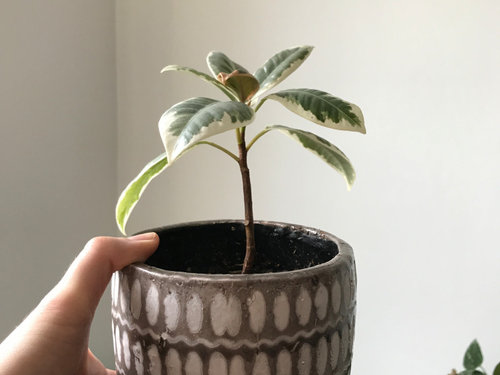
This is my little guy currently in March 2020:

(see after for previous photos showing growth)


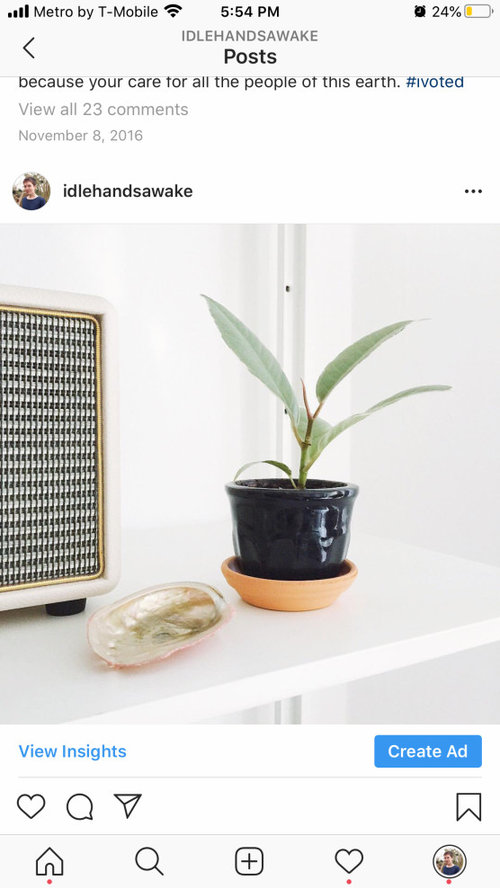
2016 when I first got the ficus:


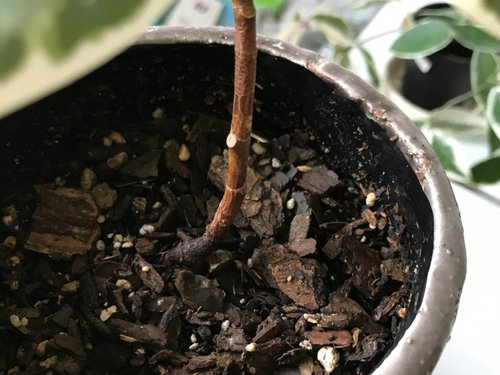
2017 progress and a new pot:


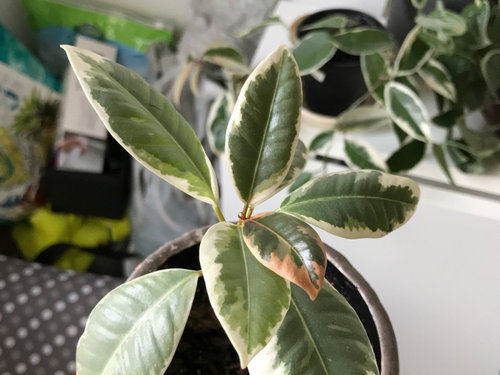
2018 additional leaves:


I'm delighted that it's got that beautiful pink leaf coming in, but concerned that the stem is still so small and short. The plant has not added much height or girth for the last two years. I repotted it to its larger 5" pot last summer (2019). Shouldn't it have grown more in the last 4 years? I was under the impression that rubber trees are veracious growers. Is there anything I can do to promote faster growth for this little one?


Thanks, all!

Comments (22)

  • 6 years ago

    Variegated varieties tend to have different requirements for growth and caring habits. And they also may be faster or slower growers than the 'regular' ones. I would take it that maybe the variegated type of the rubber tree could be a slow grower? Also, some variegated varieties may need more sunshine than normal. So try slowly exposing it to more sun than what it's used to?


    Looking at your specimen, there's nothing really wrong with it. The plant looks pretty healthy and full of life. So I doubt it's dying or anything.

  • 6 years ago

    Ah, ok, I didn’t know that could be the case. Thanks for the input!

  • 6 years ago

    Should I place it in front of a fan to help the stem grow stronger? Or fertilize it?

  • 6 years ago

    Also, as it's gotten taller, the lower leaves have dropped, so all the leaves are at the top of the stem. Do you think this is related to not getting enough light?

  • 6 years ago

    If a plant doesn't grow when it should be growing, it's in serious trouble. The reason: when growth stalls, it's indicative your plant is using more energy than it's able to capture from the sun during photosynthesis and turn into food (sugar/carbohydrate). Plants grow whenever they are able to capture more energy than they need in the immediate to keep their systems orderly. Since the state of using more energy than an organism creates is untenable over the long term, a case could easily be made that a plant that isn't growing is dying.

    Growth is measured as the increase in a plant's dry mass - how much the plant weighs when it's completely dehydrated. Even when a plant is conspicuously extending, it might not be growing. A plant that extends an inch or two while dropping a large leaf or two is likely going backward insofar as growth is concerned. If that state of affairs is not reversed, the plant will eventually succumb. If your plant doesn't soon start showing conspicuous growth w/o shedding, something is seriously amiss.

    The grower's only job is to identify what factors are limiting the plant, and correct them - nothing more. Based on your description and your plant's appearance, you should evaluate how you're fertilizing. If the plant is suffering a deficiency of any of the mobile nutrients (N,P,K,Mg), the plant will 'borrow' nutrients from already existing parts to fuel extension of stems and branches, then shed the organs (usually leaves, first) from which the nutrients were 'borrowed'. So, there is significant potential for the cause to be nutritionally related.

    It can also be related to photo load, that is to say light intensity and/or duration of exposure; and, excessively high or low temperature can be a problem if temps are consistently below 65*f or above 90*f.

    There is a very good chance your plant is suffering from a compromised root system. The medium might not be all you think it is, and/or you might be watering at inappropriate intervals - too often. Too much water in the root zone means the plant cannot get enough oxygen to ensure normal root function; or, a fraction of the finest roots (the ones that do all the heavy lifting) are killed by soggy soil conditions. Too much water causes the plants chemical messengers to signal plant central that part of the root mass is missing, so don't produce any more top growth until this root problem is straightened out. So, the plant grows some new fine roots ...... and here comes the grower to water again before the plant actually needs water. This sets the stage for a continuous cycle of death and regeneration of roots, forcing the plant to focus all growth in the rhizosphere (root zone) leaving nothing left to fuel top growth.

    This triangle formed by soil choice, watering habits, and how you fertilize is almost certainly causal of the stalled growth.

    Al


    Marlene (Zone 6b Boston, MA) thanked tapla (mid-Michigan, USDA z5b-6a)
  • 6 years ago

    Does your container have a hole in the bottom. Besides fertilizer and proper watering, light, temperature and humidity are also factors that affect plant growth. My rubber plant grows best in the warmer months. It also loves humidity and light. A vacation outdoors in summer can be a big boost - I got two branches (didn't have any earlier) sprout from the lower bare stem of my then 6 foot long plant (age 8 yrs) the summer it spent outdoors.

    Marlene (Zone 6b Boston, MA) thanked getgoing100_7b_nj
  • 6 years ago

    If you're poking a stick around the soil every time you water, I suspect you're constantly breaking the plant's roots.

    Marlene (Zone 6b Boston, MA) thanked party_music50
  • 6 years ago

    Party Music, how can I aerate the soil then?

  • 6 years ago

    Why would you aerate the soil unless it is seriously compacted? At which point it should be repotted in a better mix with aeration structure.


    It probably needs lots more light. The ones in the ground in the tropics are huge trees with lots and lots of sun.


  • 6 years ago
    last modified: 6 years ago
    Marlene (Zone 6b Boston, MA) thanked tapla (mid-Michigan, USDA z5b-6a)
  • 6 years ago

    Pls answer the key question: does the pot have a hole?

    Pls tell us why you think the soil needs to be aerated.

  • 6 years ago

    Yes, the pot has a drainage hole. And I thought it was good practice to just aerate the soil every now and then so that nothing gets compacted. Is that not the case?

  • 6 years ago

    Nope, if you keep disturbing the roots the plant will obviously resent it and sulk. Good aeration is achieved by using a potting mix that does not compact. Also, letting mix dry between waterings ensures aeration. Periodic (over an year or more) repotting is also a way to minimize compacting of the potting mix. However, once repotted, the plant will only thrive when the roots are allowed to grow largely undisturbed. Poking would break roots and stress the plant as if it were being repotted or transplanted every time it is poked. I am genuinely curious to know where you picked up the "poking to aerate" concept.

    Marlene (Zone 6b Boston, MA) thanked getgoing100_7b_nj
  • 6 years ago

    Oh no! Well that might explain why a few of my plants aren't looking great, in spite of having a good soil mix and paying attention to watering only when dry. I'll stop poking immediately. I think I picked it up from a plant care blogger, not sure.


    I also definitely need to fertilize, I have found it intimidating in the past so I'm trying to focus on the posts that Al linked to above.

  • 6 years ago

    Thanks, Al! I currently water all my plants in the bathtub so that I can drain them, and I rotate each pot at an angle to encourage excess water to drain out. I will try adding the downward/upward motion to help too. I also appreciate your fertilizing suggestion and info, as that is an area I have found intimidating and haven't done with any of my plants. (I know! I'm ashamed!)


    How would you apply this watering method to a large, immovable plant, like a mature rubber tree? I don't have one, but I'm curious how to water larger plants when you can't lift them to drain. Or if you have, say, a huge collection of plants, where it would be impractical to carry each plant to the sink or bathtub?


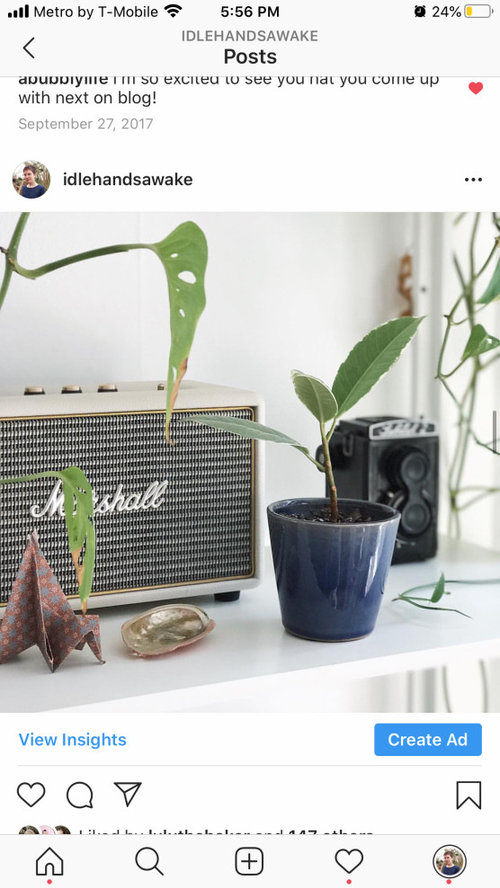
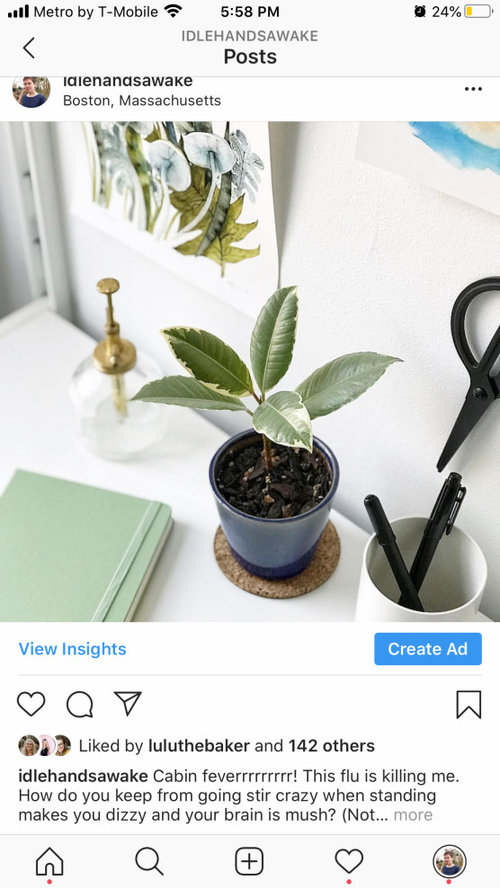
    If anyone is curious, this is the source of the "poking to aerate" info I was referring to: https://www.instagram.com/p/BySjEGWB81o/?igshid=dujmibmt7d54

  • 6 years ago
    last modified: 6 years ago

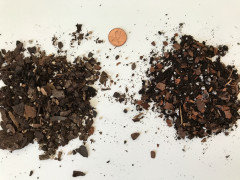
    Also, for reference, here is a pic of the soil.

    On the left is the "Jungle Growth" soil that the rubber tree is currently growing in.


    On the right, my attempt at a copycat version I'm mixing together, which is roughly 1 part pine bark fines, 1.5 parts potting soil, and .5 parts perlite.

    Al, I have tried the gritty mix a few years ago, and I couldn't keep up with the watering! I love science and learning about your soils, and I'm definitely passionate about houseplants, but they are not my only hobby. The "Jungle Growth" and my custom mix are my attempt at sort of a half-gritty mix, haha. Most of my plants seem to have been doing well with it. I think my major issue has been lack of fertilizing. And I do think this mix is fast-draining. I just watered the rubber tree 3 days ago, and it feels *barely* moist at the drain hole. (In fact - is watering once a week too little?)

  • 6 years ago

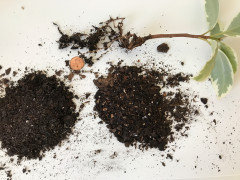
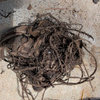
    I'm sorry, one more post! I got really curious about how the roots on this guy were doing, so I pulled it out of the pot. I know it's early yet, but, there it is.


    The soil at the bottom of the pot (on the left) was quite broken down. None of the roots feel rotting or water-logged! Which is nice to know.

  • 6 years ago

    Marlene, your jungle growth potting mix looks chunky enough and it did not seem at broken down or compacted. It does not look like overwatering or lack of aeration or soil compaction is your issue. If I were you, I would concentrate on giving it good light, humidity and food. Give it brightest location, even a little sun is fine. Give it a general purpose fertilizer if you aren't already doing so and mist it every now and then. It should pick up pace now that spring is here. Mine grows several leaves every season without much attention. Your being variegated maybe a factor in its being such a diva. Good luck. And yes, I would stop poking it for sure. Notwithstanding your Instagram influencer, poking the soil periodically is not an SOP for growing container plants. Plants get air through the gaps between particles in the soil as long as the soil is not permanently water logged or too compact. I grow all my container plants (50-100) in off the shelf potting mix with some added perlite. Now, they may not win a gold medal or something but they do reasonably well.

    Marlene (Zone 6b Boston, MA) thanked getgoing100_7b_nj
  • 6 years ago

    Getgoing, thank you for your input! Your rubber tree is GORGEOUS! And quite inspiring. :) Maybe my little diva will compete someday (though likely not for many years at this rate haha). I am starting to really think that food, or rather, lack thereof, is a big factor in all of my plants. I've never found rotten or mushy roots or stems on any of the plants over the years that have failed, except for my very first ones, before I learned to water properly. I will pick up a fertilizer asap!

  • 6 years ago

    You can do it. Mine wasn't much bigger than your when I got it back 2011/2012. Those roots look fine if a little sparse. Keep us updated.

    Marlene (Zone 6b Boston, MA) thanked getgoing100_7b_nj
  • 6 years ago

    I don't think you're over-watering either, given the images. Is the Jungle Growth medium straight out of the bag? If 'yes', please let us know what it says on the bag, because it looks like it would be great for almost anything as is, and could easily be tweaked. Your medium would probably perform better with a little more perlite and a little less peat, so maybe you'd consider just changing the ratio of ingredients a bit?

    I will try adding the downward/upward motion to help too. Good. It will only take you one try to see how well that works for small pots. I also appreciate your fertilizing suggestion and info, as that is an area I have found intimidating and haven't done with any of my plants. If you use an appropriate fertilizer, you can get 1-source nutrition. Try to avoid leaning on advice to try this or that and stick to a tried and true supplementation program. Having too much of any particular nutrient or unnecessary element.compound in the medium has at least as much potential to be limiting as a deficiency, and in some cases, more. I can keep just about any plant healthy, but it's not because I'm some kind of super grower; it's more that I've learned what to avoid.

    How would you apply this watering method to a large, immovable plant, like a mature rubber tree? I don't have one, but I'm curious how to water larger plants when you can't lift them to drain. Or if you have, say, a huge collection of plants, where it would be impractical to carry each plant to the sink or bathtub? Flush the soil regularly into a collection saucer, but make sure your pot is raised above the effluent that collects in the saucer after passing through the soil. If the effluent has a pathway back into the soil, you would be undoing the good you did by way of flushing out the salts. The water should evaporate between waterings.


    Stay safe/healthy!

    Al

Sponsored
J.Holderby - Renovations
Average rating: 5 out of 5 stars4 Reviews
Franklin County's Leading General Contractors - 2X Best of Houzz!