

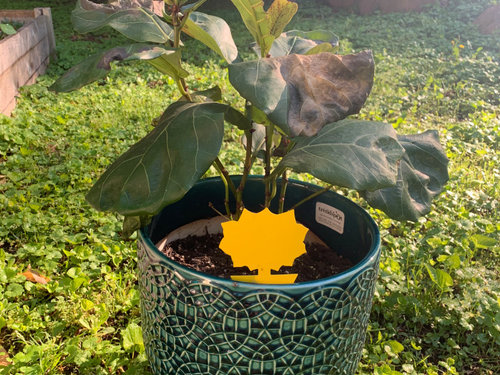
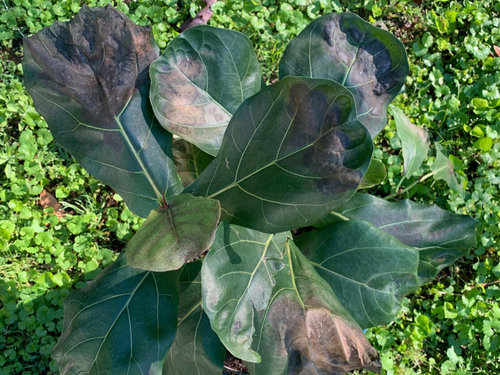
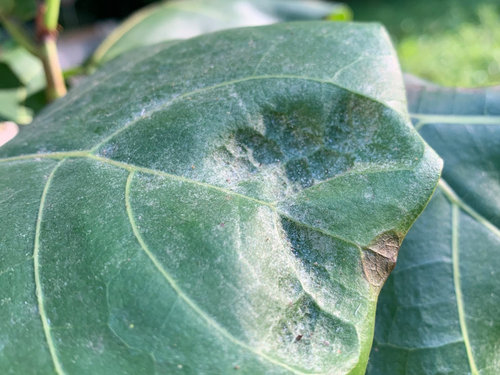
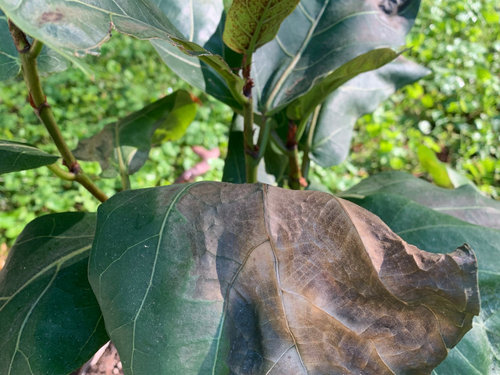
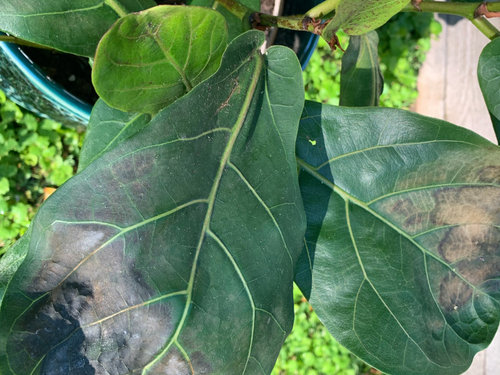
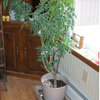
Fiddle Leaf Fig - is it beyond help?
6 years ago
Sort by:Oldest
Comments (2)
Related Stories
HOUSEPLANTSPlay Up Some Fiddleleaf Figs for a Lively Indoor Tune
Strike a dramatic chord in a minimalist scene or a country note in a rustic setting — fiddleleaf fig plants harmonize with any style
Full Story
DECORATING GUIDESA Glimmer of Gold Leaf Will Make Your Room Shine
Make a unique, unexpected statement in any space with this precious metallic finish
Full Story
HOUSEPLANTSSee How Fiddleleaf Fig Trees Can Liven Up Your Decor
The tropical houseplant with big green leaves adds a cheerful and striking design element to rooms
Full Story
EARTH DAYHow to Help Your Town’s Beneficial Birds and Bugs
Make a habitat using local materials to provide a home to the creatures that help our gardens
Full Story
BEDROOMSA Little Design Help Goes a Long Way in This Bedroom
A Kentucky couple bring in a designer to polish up a bedroom redesign project they had started
Full Story
CONTAINER GARDENSConsider These 10 Pet-Safe Houseplants
Help keep cats and dogs healthy with the right selection of indoor plants
Full Story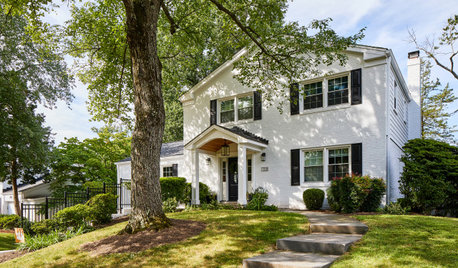
LANDSCAPE DESIGN8 Reasons to Plant a Great Tree
Beauty is its own reward, but the benefits of planting the right tree in the right place go way beyond looks
Full Story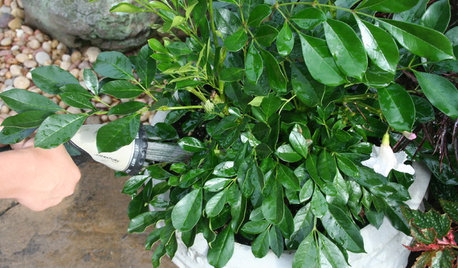
CONTAINER GARDENSContainer Garden Basics: How and When to Water Potted Plants
Confused about soil moisture, the best time to water and what watering device to use? This guide can help
Full Story
BEFORE AND AFTERSHardworking Study and Guest Room Inspired by Africa
A designer helps a Dallas couple use the organic textures, sumptuous textiles, gold touches and dark colors they love
Full Story
REMODELING GUIDESBathroom Workbook: How Much Does a Bathroom Remodel Cost?
Learn what features to expect for $3,000 to $100,000-plus, to help you plan your bathroom remodel
Full Story

John Beech
tapla (mid-Michigan, USDA z5b-6a)
Related Professionals
Madison Landscape Architects & Landscape Designers · Lafayette Landscape Architects & Landscape Designers · Portsmouth Landscape Architects & Landscape Designers · Green Bay Landscape Architects & Landscape Designers · Pullman Landscape Architects & Landscape Designers · Toms River Landscape Contractors · New Braunfels Landscape Contractors · Morgantown Landscape Contractors · Fort Wayne Landscape Contractors · Akron Landscape Contractors · Palm Bay Interior Designers & Decorators · Gary Interior Designers & Decorators · Jamestown Interior Designers & Decorators · Westerly Interior Designers & Decorators · Tacoma Interior Designers & Decorators