

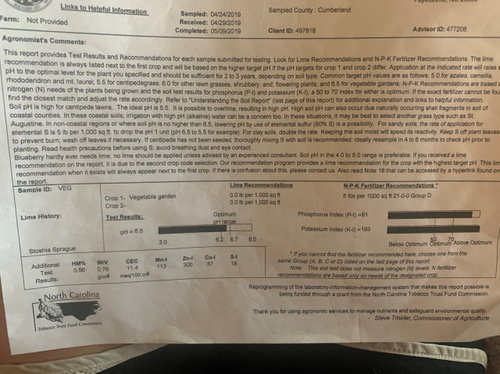
Soil Test Results & nutrient deficiency
6 years ago
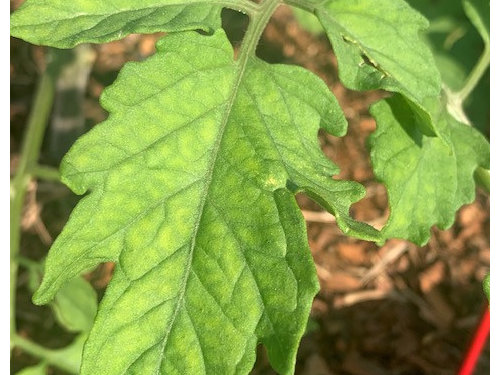
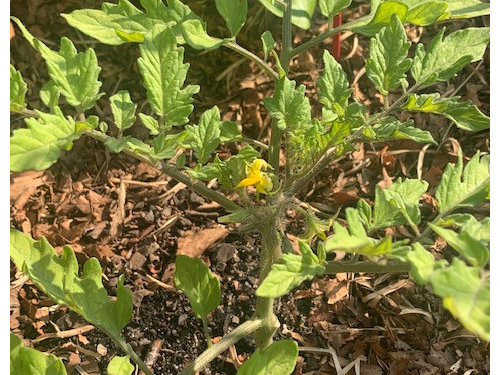
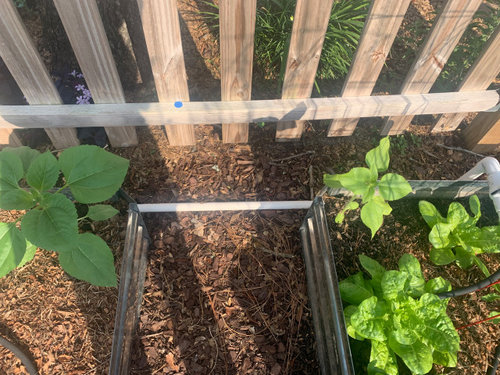
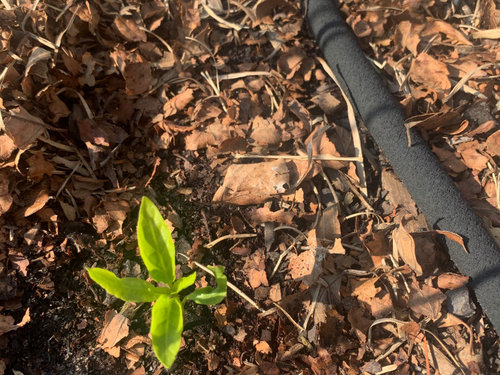
Sort by:Oldest
Comments (4)
Related Stories
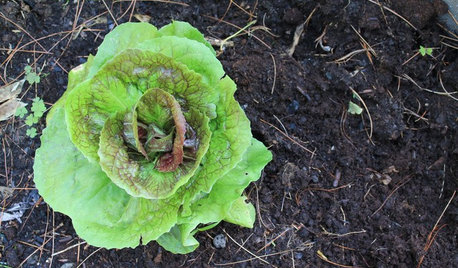
FARM YOUR YARDHow to Get Good Soil for Your Edible Garden
The nutrients in your soil feed the plants that feed you. Here are tips on getting it right — just in time for planting season
Full Story
GARDENING GUIDESWhat to Do This Fall to Build Healthy Garden Soil
Take advantage of the cool season to improve soil texture and replenish nutrients
Full Story
GARDENING GUIDESGardening Solutions for Dry, Sandy Soils
Has your desert or beachy site withered your gardening creativity? Try these ideas for a beautiful, easy-care landscape
Full Story
GARDENING GUIDESGrow a Beautiful Garden in Alkaline Soil
Got alkaline soil? Learn how to manage it and the many beautiful plants that will thrive in this ‘sweet’ soil
Full Story
GARDENING GUIDESGet the Dirt on Your Garden’s Soil
Understand how your soil supports your plants so you can ensure your garden’s success
Full Story
GARDENING GUIDESHave Acidic Soil in Your Yard? Learn to Love Gardening Anyway
Look to acid-loving plants, like conifers and rhododendrons, to help your low-pH garden thrive
Full Story
GARDENING GUIDESHow to Stop Worrying and Start Loving Clay Soil
Clay has many more benefits than you might imagine
Full Story
GARDENING GUIDESThe Poop Scoop: Enrich Your Soil With Good Old Manure
Get over the ick factor already — this natural super-ingredient for soil has so many benefits, you'll wonder why you ever went chemical
Full Story
GARDENING GUIDESGardening Solutions for Heavy Clay Soils
What’s a gardener to do with soil that’s easily compacted and has poor drainage? Find out here
Full Story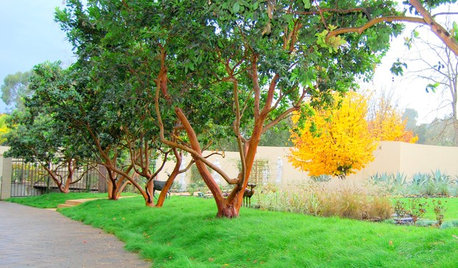
GARDENING GUIDESGarden Myths to Debunk as You Dig This Fall and Rest Over Winter
Termites hate wood mulch, don’t amend soil for trees, avoid gravel in planters — and more nuggets of garden wisdom
Full Story
Sponsored
daninthedirt (USDA 9a, HZ9, CentTX, Sunset z30, Cfa)
ncveggiegardener zone 8aOriginal Author
Related Professionals
Middletown Landscape Contractors · Spanish Fork Landscape Contractors · Cambridge Architects & Building Designers · Frederick Architects & Building Designers · Grand Rapids Architects & Building Designers · Colorado Springs Architects & Building Designers · Cowansville Architects & Building Designers · Platteville Landscape Architects & Landscape Designers · Marinette Landscape Contractors · Tuscaloosa Accessory Dwelling Units · Columbia Accessory Dwelling Units · Brooklyn Landscape Contractors · Athens Stone, Pavers & Concrete · Louisville Stone, Pavers & Concrete · Brainerd Stone, Pavers & Concretedaninthedirt (USDA 9a, HZ9, CentTX, Sunset z30, Cfa)
Richard Brennan