

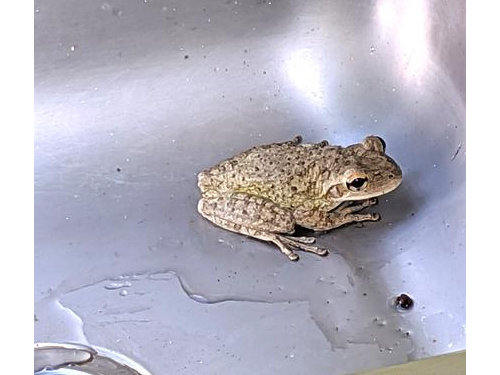
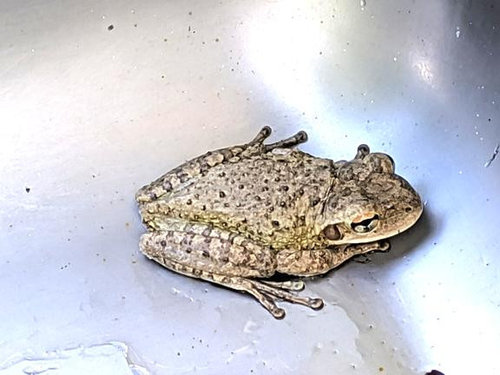
Is this a frog or a toad?
6 years ago
last modified: 6 years ago
Featured Answer
Sort by:Oldest
Comments (11)
Related Professionals
Palm Bay Landscape Architects & Landscape Designers · Frisco Landscape Architects & Landscape Designers · Danbury Landscape Architects & Landscape Designers · Cape Coral Landscape Contractors · Montgomery Design-Build Firms · Toronto Design-Build Firms · Denver Landscape Architects & Landscape Designers · Lubbock Landscape Contractors · Vidalia Home Builders · Saint George Home Builders · Poplar Bluff Architects & Building Designers · San Jose Architects & Building Designers · Worcester Furniture & Accessories · Trenton Furniture & Accessories · Odessa Furniture & Accessories 6 years ago
 6 years ago
- 6 years ago
 6 years agolast modified: 6 years ago
- 6 years ago
- 5 years agolast modified: 5 years ago
- 5 years ago


Related Stories

EARTH DAYThe Case for Losing the Traditional Lawn
Work less, help the environment and foster connections by just saying no to typical turf
Full Story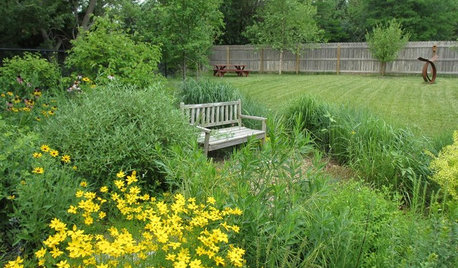
GARDENING GUIDESHow to Design a Garden That Lasts
Climates are changing. Wildlife is evolving. Can your garden keep up?
Full Story
TASTEMAKERSA Designer Edits — and Adds — for Dramatic Effect
Interior designer Nancy Braithwaite’s new book shows how it’s possible to edit rooms of all styles to create their best look
Full Story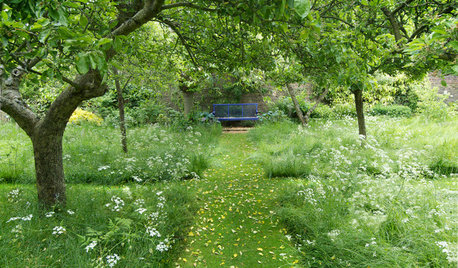
GROUND COVERSGive Your Lawn a Taste of the Wild
Consider the joys of an irregularly trimmed meadow lawn: It’s ecofriendly, visually interesting and still good for romping
Full Story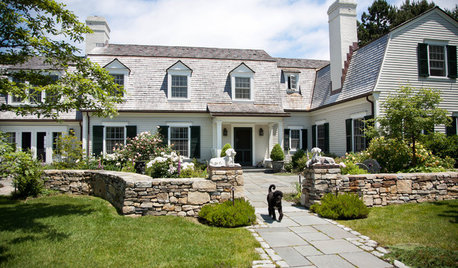
OUTDOOR ACCESSORIESGuardians of the Gate
Dog statues have long been used to adorn a home’s exterior, and man’s best friend usually has a message, too
Full Story
FALL GARDENING7 Reasons Not to Clean Up Your Fall Garden
Before you pluck and rake, consider wildlife, the health of your plants and your own right to relax
Full Story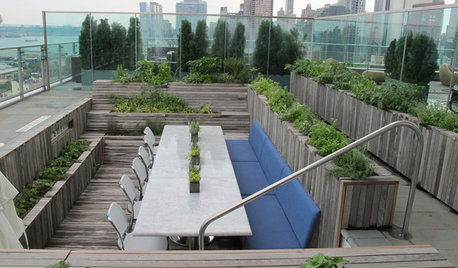
EDIBLE GARDENSLessons From an Edible Garden on a City Roof
Reincarnation of New York City rooftop pool proves edible landscaping is possible just about anywhere
Full Story
GARDENING AND LANDSCAPING10 Ways to Open a Kitchen to the Outdoors
Have your cooking and your nice weather too, with a kitchen setup that embraces indoor-outdoor flow
Full Story
GARDENING GUIDESSweet Serendipity: Opening to Happy Garden Discoveries
Unplanned nature scenes can be unbelievably beautiful; you just need to know how to look
Full Story
GARDENING AND LANDSCAPING9 Ways to Make Your Yard More Fun for Kids
Draw the younger set outside while keeping grown-up spaces and style intact. Some of these ideas don’t even cost a dime!
Full Story
Ninapearl