Software
Houzz Logo Print
cmspecht

Kitchen flooring color advice

6 years ago
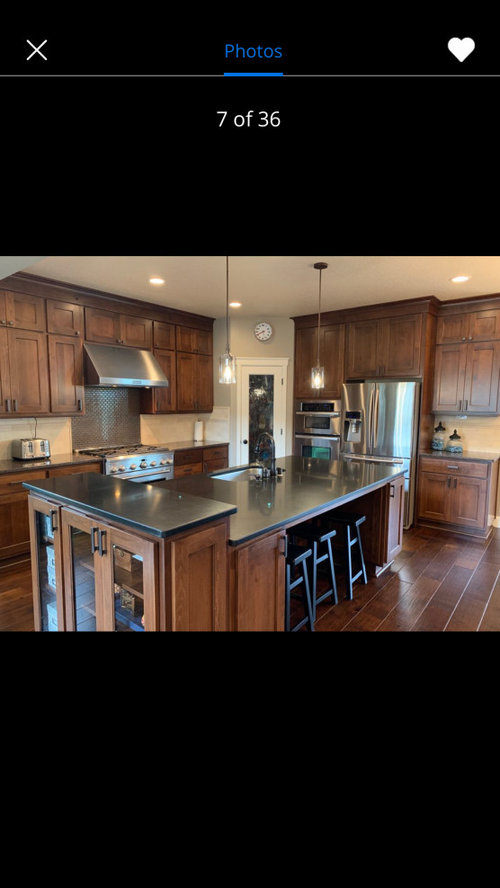
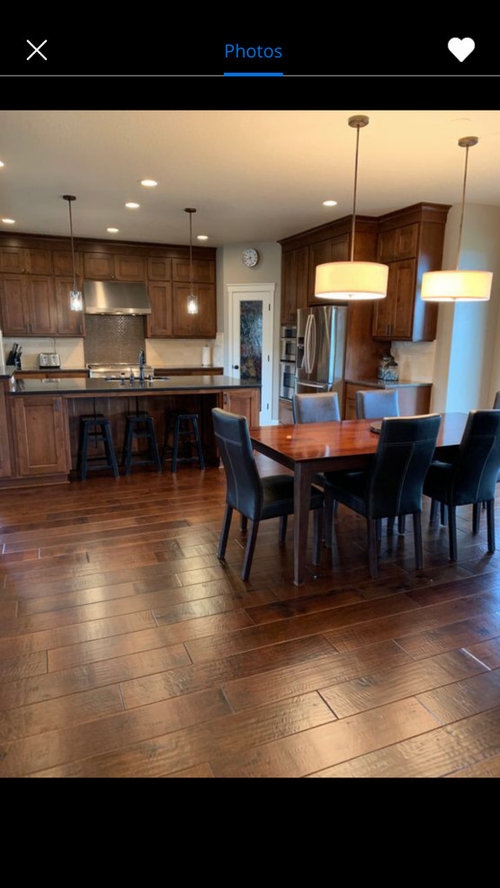
We’re needing to get the wood floors replaced on our first floor because of a dishwasher leak, but hoping to use this to our advantage and try to lighten up the kitchen a bit. Wondering what kind of wood flooring would look best in a kitchen that is already pretty dark?


Thanks so much in advance!

Comments (10)

  • 6 years ago

    I like to send people to Home Depot (Let me explain!) to purchase wood samples from them ($1.99/sample). Bring the samples home to find out what colours look GOOD against your cabinets. Personally I think the golden tones in the wood will work nicely.


    Once you find the HD SAMPLE that works nicely with your cabinets you can then go ahead and take that sample shopping. You will find a match to the sample from a real wood flooring store. You then bring home a sample of THAT wood to make sure you are getting the right tones.


    A lighter floor will do wonders for the home. The way to lighten up the KITCHEN is to change out the counter tops. Right now you have the millennial "Brown Blahs Kitchen" that was super hot 10-15 years ago. The Dark on dark on dark was SUPER popular. Changing the colour of the flooring will help (and new paint...but that's another day) but the single biggest change (in brightness) will come from lighter/brighter counters.


    I know that isn't in the cards right now. That's fine. Get your floors done because the floor required the work to be done (feel free to incorporate moisture sensors underneath the floor...they work to turn off the valves AND reduce your home insurance premiums).


    Once you have settled in with the new colour (you might want to stay away from hand scraped...the look is on the way out - like 3 years ago) you can then ponder the next step. For me the next step would be lighter counters.

    cmspecht thanked SJ McCarthy
  • 6 years ago

    Super helpful comment SJ, thank you so much!

  • 6 years ago

    Patricia, the flooring is the same throughout the house.

  • 6 years ago

    We are considering Luxury Vinyl Plank flooring to replace our engineered hardwoods. It is sold as "waterproof" and wears well with dogs. What are your thoughts about it in a higher end home? There are a lot of nice wood looks that are lighter in color. We currently have a very similar look to the above in our house with dark cabinets and dark flooring - built 8 years ago! We have to replace the flooring - for the whole house - because the engineered hardwood (also hand scraped) is chipping on the edges (due to high moisture according to NWFA inspection - no plumbing issues). After spending several years battling with the builder over the floors I have given up. We are faced with replacing the flooring ourselves. (SJMcCarthy - I'd love to get your advice on the best floor preparation before we put something down!). My concerns are as follows: Would LVP detract from the value of our home? Could mold build up under LVP because it does not breathe? What about emissions from this manmade product? I would want the same flooring for almost all of my main floor - except for carpet in the extra bedrooms and tile in the bathrooms. Thanks everyone for your thoughts!!!

    cmspecht thanked D Myers
  • 6 years ago

    First things first: Where is the moisture coming from? What type of HVAC system do you have? Do you have a humidistat (that is to say you can increase or decrease your humidity by 1% at the push of a button)?


    The indoor humidity control is needed for wood. Without it you might as well throw all the wood into a pond and use it as a raft.


    LVP is a great option so long as you know WHERE the moisture is coming from AND you correct it. Mold and mildew are CREATED by the living space. The mold/mildew must have: damp conditions + food source (human skin cells + dust mite droppings = dust). And as little light as possible.


    I can't tell you if YOUR house is going to grow mold/mildew but you will find out as soon as you pull up your floors.


    A high-end home can have LVP for as long as the owners want to have it. If you plan on selling in 5 years, then you might want to go with a floor that ADDS value rather than detracts from it. If you are in your 'forever home' then go with what suites YOU best.


    The off-gassing from vinyl is pretty much documented. So long as the manufacturer uses VIRGIN vinyl (fresh out of a chemical factory) and uses PHTHALATE FREE chemicals you should be just fine.


    Lets just say mold and mildew can be worse for your health than a HIGH END vinyl.

    cmspecht thanked SJ McCarthy
  • 6 years ago

    I am in Austin Texas. We believe the elevated moisture could be from a natural spring under/near our home. We know that there is a plastic moisture barrier under our foundation and actually cored the foundation in 2 places to check that it was intact and it was. Our plumbing was checked and there are no problems inside/outside. The carpet and tile are fine - no discoloration in grout or effervescence on tile surface. No indications of mold anywhere. The wood is just "softening" from the elevated moisture. Our AC is Honeywell and it shows 49% humidity right now. Another concern I have with vinyl is where will the moisture go? It releases between the planks now - will it go up the walls? If not vinyl, do I dare do wood again? Maybe put down 6mil plastic first?

  • 6 years ago

    We just did Coretec LVP in our Florida home. DH was not on board and researched how we could use actual wood! I knew his would not fair well here.

    Luckily (?) our moisture level was way too high for hardwood. The decision was made for us.

    Flooring companies will insist there are ways to get around it.

    Ours is in for a year. No issues.

    SJ has good advice.

    cmspecht thanked eld6161
  • 6 years ago

    I'm really leaning towards vinyl - my fear is what will be lurking under the vinyl over time. What if I put in a pad under the vinyl? Is this going to cause moisture problems up my walls? Where will the moisture go? I appreciate eld6161's input and am so glad you are enjoying your LVP!

    cmspecht thanked D Myers
  • 6 years ago
    last modified: 6 years ago

    @ D Myers You need to test the moisture levels INSIDE the slab. That requires an indwelling moisture probe. That requires a HIGH END professional who deals with wet slabs.

    Do you have the ability to REMOVE humidity from your home using your whole-home dehumidifier? Or are you relying on the A/C to 'deal' with the humidity? We need an answer to this particular question.

    You may have to find HOW the moisture is moving INTO the house. Is it moving up from the EDGE of the slab (which are NOT sealed) via the outside walls? Do you have water proofing on the OUTSIDE of the slab that reaches ABOVE the soil line? How about French drains? Weeping tiles?

    The MOSITURE mitigation MUST occur (even if you never find the 'single source') before you put down finished flooring. Until then I suggest you live with the raw concrete. A quick test to see if ground water is moving up into the home is to place a rubber mat down over the raw concrete. Leave it there for a month or so (just like an entry mat).

    Lift the mat after a month or so in place. If you see a whitish residue sitting on the slab then you have proof-positive the ground water is moving up through the slab and into your home.

    If the moisture barrier is intact them you have to look to the SIDE walls of the slab. Many builders do NOT extend the exterior moisture barriers up above the soil line. It saves them money while building. It is a relatively expensive process so the original builders are NOT in the habit of doing it unless they are SPECIFICALLY contracted (ie. paid) to do it.

    Until you find a way to stop the moisture from entering your home, you are better off on the raw concrete.