Software
Houzz Logo Print
gypsyardie

What's that on my black eye peas?

6 years ago
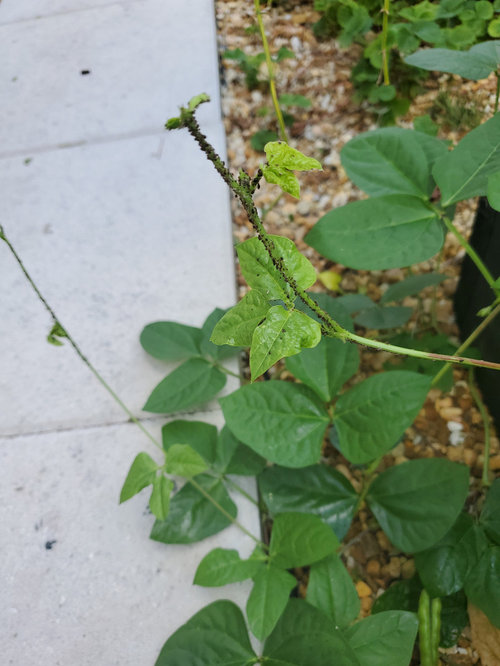
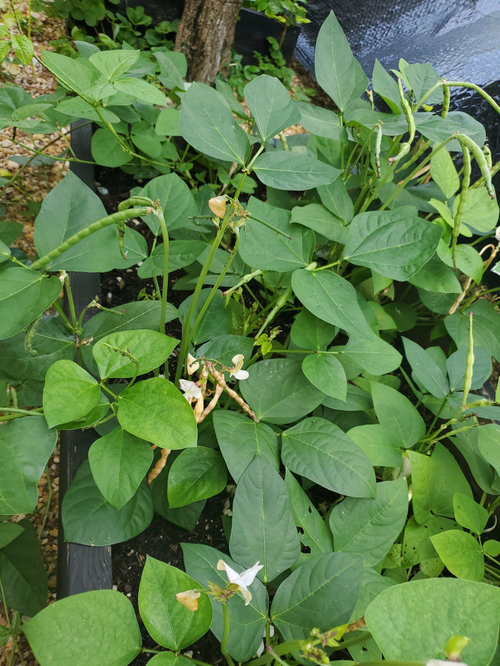
Hi. I live in Ft Lauderdale Florida. In the last few days I've seen ants and now black gunk on my black eye peas. I sprayed it with insecticidal soap last night but its still there as per my photo. please help. Is there something else I should do or just wait for spray to kick in? First time gardener😊

Comments (24)

  • PRO
    6 years ago

    Aphids

  • 6 years ago

    get some lady bugs they eat aphids

  • 6 years ago

    Spray with a sharp stream of water.

    tj

  • 6 years ago

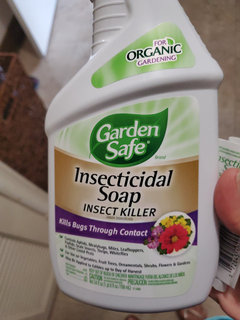
    Thanks all for your speedy replies!😊 This is spray I applied last night, says for aphids, is it any good, how long on average before I try something else?

  • 6 years ago

    As long as your temps are below 90F you should be ok. Some plants are sensitive so it is recommended you spray a couple of leaves and wait 24 hours and check for damage before spraying all over the plant.

    tj

  • 6 years ago

    and use the fertilizer of your choice because that will speed the healing of the plant

  • 6 years ago

    but I'm no expert

  • 6 years ago

    Clueless comments from clueless people to a clueless first time gardener are not useful, helpful or educational. Fertilizer does NOT “heal.”

    As mentioned by others, spraying the aphids off with a sharp stream of water is a good first step. Ants “farm” aphids because the aphids secrete a sweet substance called honeydew and in exchange for caring and protecting the aphids, the ants get the sweet reward. I had an aphid infestation on my mint with many ants farming them (first time this has happened on mint for me) this year. Despite sharp streams of water and insecticidal soap, I ended up having to clip off those stems-I would also clip down past the next set of leaves to make sure I removed any “stragglers”


    Hope this helps. I appreciate that you used insecticidal soap, so many go for the nasty stuff first.

  • 6 years ago

    The aphids on cowpeas (black eye peas) must be a very different species than the aphids most of you encounter. These aphids cannot be removed by spraying with a good stream of water. I grow Pinkeye Purple Hull Peas (cowpeas) every year and have an aphid problem every year. I now keep a careful eye on the plants. At the first sign of aphids, I rub the stem where the aphids are congregating while spraying with water. Rubbing the stem where there are aphids dislodges the aphids and the stream of water washes them to the ground. If I do not get them just as they appear I will then use some type of insecticidal soap but it takes a few sprayings to do much good. I then try to eliminate the ants using terro bait traps.

  • 6 years ago

    I beg to differ because I have seen it do so that it helps rebuild the plant's own immune system after the incect or diseases are conquered

  • 6 years ago

    you need some ladybugs or praying mantis

  • 6 years ago

    they both eat aphids

  • 6 years ago

    Howard, you can disagree all you want but your anecdotal experience does not make it so. Some of your comments indicate a rather profound lack of understanding of things horticultural. Maybe read more and comment less :-)

  • 6 years ago

    like I said lady bugs eat aphids

  • 6 years ago

    ...and the sky is blue but that won’t help here. More immediate treatment is called for. And for your edification, too much ferts draws pests to tender growth.

    tj

  • 6 years ago

    aphids are a pest u might want to use insecticidal soap

  • 6 years ago

    Update: After the initial batch of insecticidal soap, I sprayed the peas with a sharp stream of water twice in a week which dislodged a decent amount of aphids. I then used a batch of ladybugs overnight and by next morning all aphids were gone. It's been about a week and nothing has reappeared. So thanks all for your help!

  • 6 years ago

    aphids don't like ladybugs because the ladybugs eat them

  • 6 years ago

    gardengal I'm talking from experience

  • 6 years ago

    because it gives the plants what they need to heal themselves

  • 6 years ago
    last modified: 6 years ago

    Healthy plants will heal themselves once the insect or pathogen attacking them has been neutralized... and unhealthy plants will generally die or remain stunted, regardless of soil fertility. Fertilization is not only unnecessary, but detrimental when used on any legume... it promotes accelerated growth of foliage, at the expense of delayed or reduced flowering. There are dozens - if not hundreds - of "why are my beans not flowering" threads on garden forums (including this one) that document this syndrome.

    Aphids are often present to some degree on many plants. IMO, their presence only requires corrective action when their numbers begin to affect the plants, or when ant-carried aphids spread disease. Even then, before applying any type of insecticidal spray, the plants should be carefully examined for the presence of natural aphid predators.

    Those could include wasps, ladybug adults & larvae, and the larvae of lacewings or syrphid flies (hover flies). It is worthwhile to look up the images of those; because if those insects are present, they represent the long-term control of aphid populations. Insecticidal sprays kill indiscriminately, and killing aphid predators does more harm than good. (I even tolerate yellow jackets if the location of their nest is not dangerous, because they can be voracious & relentless aphid predators.)

    If spraying is necessary, the best option is insecticidal soap, in the concentration specified by the attached instructions. Several applications may be needed; but again, inspect for the presence of aphid predators before each application. Aphids often infect my soybeans, cowpeas, and caged peppers... but normally, all I have to do is be patient, and predators will reduce the aphids to inconsequential numbers. "Patience" is key to that strategy, since the predators will not appear until the aphid population reaches a certain point.

    This year I found it necessary to spray one of my soybeans, because ant-carried aphids were stunting the growth of a few plants. I sprayed one application, and only on the plants most severely affected. After a week, predators appeared, and no further action on my part was required. The spray kills aphids (and any other insect it contacts) quickly; so if leaf burn is an issue, it can be rinsed off after an hour or so.

  • 6 years ago

    the yellowjackets also pollinate the plant as well I'm allergic to yellow jackets

  • 6 years ago

    Wasps may assist in pollinating some plants, but they have little impact on cowpeas, which are mainly self-pollinating.

    Yellow jackets & other wasps are attracted to cowpeas; not because of the aphids present, but because of the extra-floral nectaries present when flowering begins. Those are the bumps located on the stem, below the flowers or pods. They give off a substance that is very attractive to ants, wasps, and ladybug adults... which makes cowpeas useful for attracting & keeping beneficial insect predators. Yardlong beans, which are just a sub-species of cowpea, have similar traits.

    I recommend growing cowpeas or yardlong beans as part of a good OPM strategy; but if you are allergic to wasps, then you may wish to avoid growing them. You may wish to avoid growing okra for the same reason.