

What makes a house feel "solid" to you?
5 years ago
last modified: 5 years ago
Sort by:Oldest
Comments (8)

Related Stories
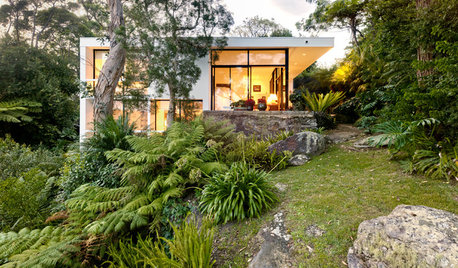
THE ART OF ARCHITECTUREHow to Make Your House Feel at Home Where It Is
Take cues from nature for placement, materials, shapes and patterns, for a house that sits well in its surroundings
Full Story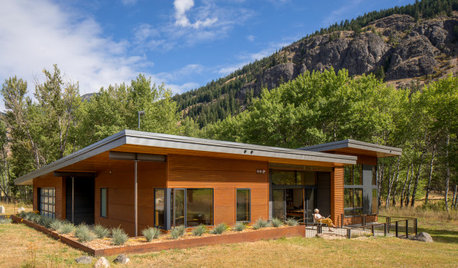
LANDSCAPE DESIGNHow to Make Your Metal House Feel at Home in the Landscape
Pull textures and hues from home to garden while allowing nature to take its course
Full Story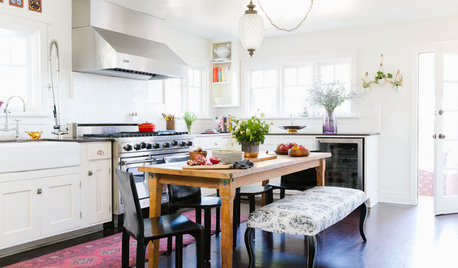
RUSTIC STYLEThese Rustic Accents Can Really Make Your House Feel Like Home
Add warmth and personality with woven baskets, wood ladders, quilts and more
Full Story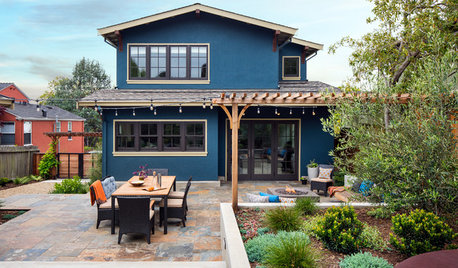
LANDSCAPE DESIGNHow to Make Your Painted or Stained House Feel at Home in the Landscape
Use color and texture to create a pleasing connection between your house and garden
Full Story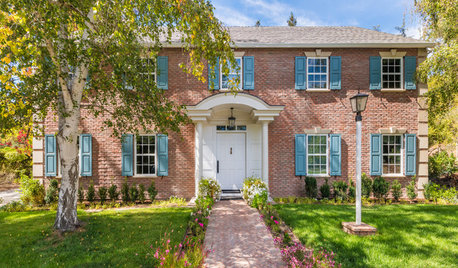
LANDSCAPE DESIGNHow to Make Your Brick House Feel at Home in the Landscape
Use these tips to pull your home’s colors into your garden for a more cohesive exterior look
Full Story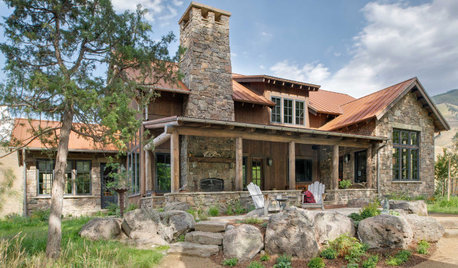
LANDSCAPE DESIGNHow to Make Your Stone House Feel at Home in the Landscape
The right gate, walkway, garden furniture and, of course, plantings can help make the connection
Full Story
FEEL-GOOD HOMEHow to Make Your New House Feel Like Home After a Move
Leave the chaos of relocating behind and start putting down roots with these 10 simple tips
Full Story
LIFEHouzz Call: What Makes Your House Feel Like Home?
Sometimes just one thing gives you that warm and fuzzy feeling. Let us know what it is for you
Full Story
SMALL KITCHENS12 Ways to Make Your Kitchen Look and Feel Bigger
Try these clever design moves to get more storage and create a roomier feel
Full Story
LIFEHow to Make Your House a Haven Without Changing a Thing
Hung up on 'perfect' aesthetics? You may be missing out on what gives a home real meaning
Full Story

User
chicagoans
Related Professionals
Cincinnati Architects & Building Designers · Roanoke Architects & Building Designers · Torrington Architects & Building Designers · Monroe Architects & Building Designers · Seattle Architects & Building Designers · Hilo Architects & Building Designers · Sanford Architects & Building Designers · Atlanta Design-Build Firms · Augusta Design-Build Firms · Charlottesville Design-Build Firms · Waterloo Design-Build Firms · North Adams Design-Build Firms · Beatrice Design-Build Firms · Richmond Home Builders · Lafayette Home BuildersK R
Candace
Mark Bischak, Architect
Lyndee Lee
David Cary