Software
Houzz Logo Print
bmhaas

Bevels on HW Floor

5 years ago
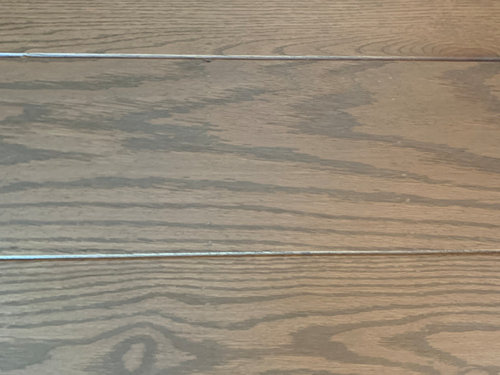
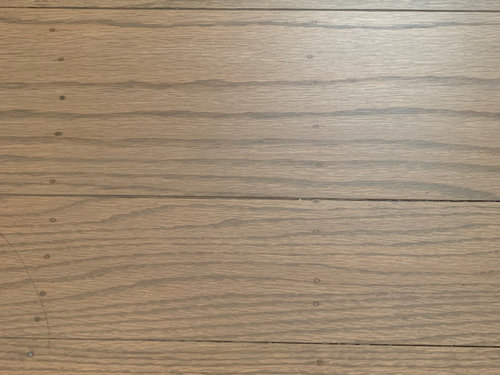
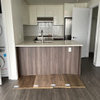
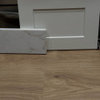
We just finished a home remodel and moved in. the house had existing 1/2“ thick variable width plank hardwood throughout the main level and we planned to refinish all the flooring and install hardwood into the kitchen to match. The existing flooring had a small bevel on the long edges of the floor boards. The contractor didn’t ask us about whether to continue the bevel in the kitchen (we would have opted to not continue it...we have two young kids). Worse still the finished floor has a much more pronounced bevel than the original floor. theres about 1/4” beveled gap at the surface. The floor looks fine, but we strongly dislike the feel of the gap under foot (existing floor gaps are not felt), and the functional implications of spills, food, and dirt collecting in the gaps and needing to clean. I’m not sure there is anything that can be done at this point, but am wondering what suggestions people might have for remediating this. Can the gaps be filled At least partially? How pissed should I be at the contractor? contractor otherwise did a really stellar job, and I don’t want to make a mountain over a molehill.


new portion:


Existing portion:


Comments (3)

  • 5 years ago

    Uhmmm....those aren't 'bevel's' on the existing floors. Those are age gaps. The original hardwood has DRIED OUT leaving tiny gaps. The original is square edged AND FACE NAILED.


    And the grain isn't the same. The colour looks decent but you are playing with TWO DIFFERENT BEASTS.


    Before you get upset with the contractor (if this is a wood flooring professional with a wood flooring store who only deals with wood flooring then you have a BIG BEEF) you need to look at the big picture.


    Please answer the following questions. Once we have more information we will be able to give you more advice:

    1. How old is your home (before the renovation)

    2. Is this a General Contractor who sourced and installed the new wood?

    3. Was this a factory finished hardwood or was it 'raw' and then sanded and stained with the old floor all at once?

    4. Did the contractor do a 'species match'?

    5. Did s/he do a 'cut' match (live, rift, quarter sawn...etc)?

    6. Did s/he make a width match?


    You will notice the last 3 items are very specific. That's because a wood flooring professional in a wood flooring company (see above) would have done ALL OF THE ABOVE.


    This is why we need to know the TYPE of installer you had. For a GC this is a decent 'colour match'. And that's about as far as I will go for right now.


    If this was a HIGH END (ahem...more than $3/sf for labour and more than $5/sf for wood and more than $1/sf for preparation) wood pro, you have plenty to complain about.


    Please post room photos of the original floor and the new floor. We need a better view of things.

  • 5 years ago

    Thanks for weighing in. Here are the answers to your questions:


    -House built mid 1950s.

    -General contractor sub’ed the flooring to someone who installs and finishes just wood floors.

    -planks installed raw and sanded and finished on site.

    -I don’t know if the flooring was species matched or cut matched.

    -The existing planks are variable width. The new flooring planks were matched to the widths used in the original flooring.


    The color matches from one room to the next and the floors were all sanded and stained at the same time. I’m uploading wider angle room pictures, including one picture taken from the living room with existing flooring and includes the kitchen in the background with the new floor area.


  • 5 years ago

    Got it. It sounds like the GC SOURCED and ordered the wood and then had it installed by a pro. Nice to know. The original doesn't appear to have a bevel. I'm still feel like the wood is dry and has shrunk over 70 years (yep...70 years old if they are original to the 1950's).


    This would make sense if you take into account wood expands (and thus also contracts) ACROSS the grain (the width of the board) rather than along the long axis (the length). If we assume this shrinkage has happened, then it makes sense the gaps are on the long edges and NOT on the short.


    That doesn't mean the matched wood should be bevelled. If the wood pro had been part of the discussion s/he should have been able to spot this and would have suggested a square edge product instead of a bevelled edge plank.


    Go ahead and ask for the specifications of the wood used in your renovation (let them know you are OK with the costs being blacked out...it makes them feel better if they can do that). It should tell you species, grade and type of edge.


    At this point, there isn't much to be done except accept it. The 65 - 70 year old wood is pretty much at it's final sand/refinish (assuming it is original). To ask for a full replacement of the new wood and then to achieve a full sand/refinish once more, you may be asking this old wood to do more than it can offer.


    You need 3mm of wood ABOVE the tongue to get a sand/refinish done.

Sponsored
NME Builders LLC
Average rating: 5 out of 5 stars2 Reviews
Remodeling Company in New Albany, Ohio