

Raised Beds For Vegetables In East Austin Texas?
5 years ago
Featured Answer
Sort by:Oldest
Comments (10)
Related Professionals
Ashland Landscape Architects & Landscape Designers · Florence Landscape Architects & Landscape Designers · Barnstable Landscape Architects & Landscape Designers · Birmingham Landscape Contractors · Peoria Accessory Dwelling Units · Monroe Accessory Dwelling Units · Evanston Accessory Dwelling Units · Niles Landscape Architects & Landscape Designers · Farmington Landscape Architects & Landscape Designers · Escanaba Landscape Contractors · Twin Falls Landscape Contractors · Texarkana Stone, Pavers & Concrete · Amherst Landscape Architects & Landscape Designers · Enid Landscape Contractors · Springfield General Contractors 5 years ago
 5 years ago
 5 years ago
- 5 years agolast modified: 5 years ago
- 5 years agolast modified: 5 years ago
- 5 years ago
Related Stories
HOUZZ TOURSHouzz Tour: A Radical Reconstruction Raises an Austin Home
With a new second floor and some room swapping downstairs, this 1935 Texas bungalow now fits an architect and his family beautifully
Full Story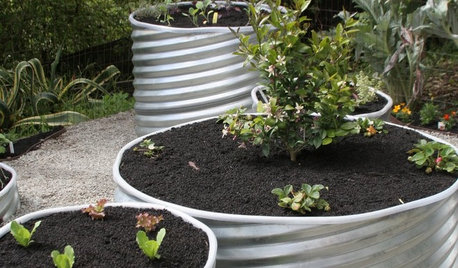
GARDENING GUIDES8 Materials for Raised Garden Beds
Get the dirt on classic and new options for raised vegetable and plant beds, to get the most from your year-round garden
Full Story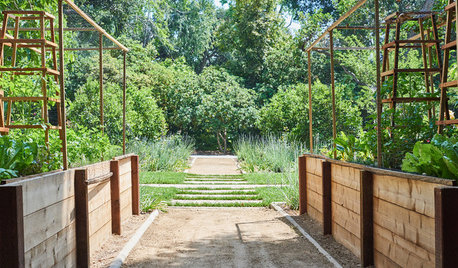
EDIBLE GARDENS7 Tips to Ensure Success With Raised Bed Gardening
Raised bed gardening is a favorite for edible plants. Here’s how to get it right
Full Story
FARM YOUR YARDRaised Beds for Every Garden Style
There’s a raised bed design for every landscape, from traditional to contemporary
Full Story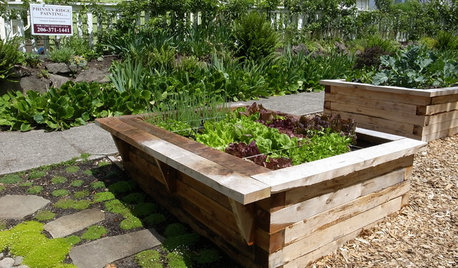
FARM YOUR YARDHow to Build a Raised Bed for Your Veggies and Plants
Whether you’re farming your parking strip or beautifying your backyard, a planting box you make yourself can come in mighty handy
Full Story
ARCHITECTUREWhat’s Fueling Austin’s Edgy Modern Architecture?
A look at the blossoming design scene in Texas’ capital city — and what’s behind all the experimentation
Full Story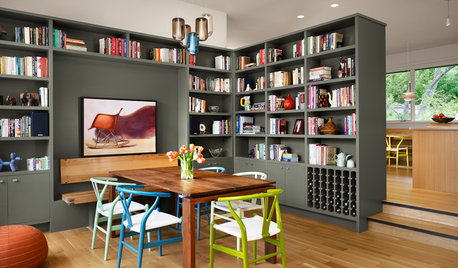
HOUZZ TOURSHouzz Tour: A Texas Home Gets a Healthy, Fresh Start
Mold eradication was just the beginning for this Austin family's home on a creek bed — toxins of all kinds now don't make it past the door
Full Story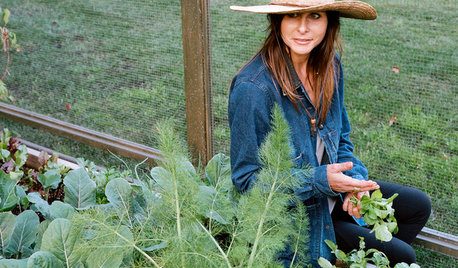
FARM YOUR YARDAdvice on Canyon Farming From L.A.'s Vegetable Whisperer
See how a screened garden house and raised beds help an edible garden in a Los Angeles canyon thrive
Full Story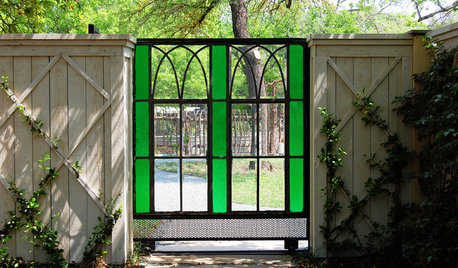
SALVAGEReinvent It: An Eclectic Texas Garden Grows From Creative Salvaging
Teardown pieces and upcycled finds turn a next-door lot into a garden brimming with vegetables and originality
Full Story
HOUZZ TOURSMy Houzz: Funky Charm for a Live-Work Space in Austin
Creative reuse and DIY flair make a home for Texas artists as lively as it is personal
Full Story

garybeaumont_gw