

Using EPS or Polyiso insulation in the attic and crawlspace?
5 years ago
Featured Answer
Sort by:Oldest
Comments (10)
 5 years ago
Related Professionals
Beaumont General Contractors · Colorado Springs General Contractors · Zanesville Home Remodeling · Spring Home Remodeling · Sault Ste. Marie Home Remodeling · Olean Bathroom Remodelers · Hot Springs Home Remodeling · Augusta General Contractors · Mansfield General Contractors · Lake Charles Bathroom Remodelers · Columbia Bathroom Remodelers · Danville Bathroom Remodelers · Tampa Home Remodeling · Meridian Home Remodeling · Olympia Kitchen & Bathroom Designers 5 years agolast modified: 5 years ago
- 5 years ago
 5 years ago
- 5 years ago
- 5 years ago
- 5 years ago
- 5 years ago
- 5 years ago
Related Stories
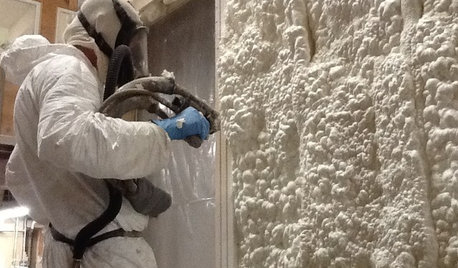
MATERIALSInsulation Basics: What to Know About Spray Foam
Learn what exactly spray foam is, the pros and cons of using it and why you shouldn’t mess around with installation
Full Story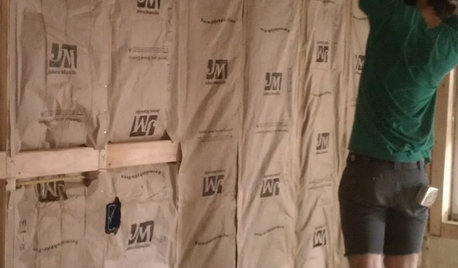
REMODELING GUIDESCool Your House (and Costs) With the Right Insulation
Insulation offers one of the best paybacks on your investment in your house. Here are some types to discuss with your contractor
Full Story
GREEN BUILDINGInsulation Basics: Heat, R-Value and the Building Envelope
Learn how heat moves through a home and the materials that can stop it, to make sure your insulation is as effective as you think
Full Story
GREEN BUILDINGInsulation Basics: Designing for Temperature Extremes in Any Season
Stay comfy during unpredictable weather — and prevent unexpected bills — by efficiently insulating and shading your home
Full Story
REMODELING GUIDESWhen to Use Engineered Wood Floors
See why an engineered wood floor could be your best choice (and no one will know but you)
Full Story
Houzz Call: What Gives You the Creeps at Home?
Halloween horror got nothing on your basement, attic or closet? Show us that scary spot you steer clear of
Full Story
BACKYARD STUDIOSMaster Builder Crafts a Dream Workshop
A design-build firm owner uses an economical building method for his large shed and finishes it off nicely to blend into the scenery
Full Story
EARTH DAY10 Sustainable Features Pros Recommend for Any Home
Improve the comfort, efficiency and ecological impact of your space with ideas from design, building and landscape pros
Full Story
REMODELING GUIDESWhat Lies Beneath That Old Linoleum Kitchen Floor?
Antique wood subfloors are finding new life as finished floors. Learn more about exposing, restoring and enjoying them
Full Story
REMODELING GUIDESOne Guy Found a $175,000 Comic in His Wall. What Has Your Home Hidden?
Have you found a treasure, large or small, when remodeling your house? We want to see it!
Full StorySponsored

Columbus Design-Build, Kitchen & Bath Remodeling, Historic Renovations
Seabornman