Software
Houzz Logo Print
elizabeth_brown347

how do I make a key for my mortise locks?

5 years ago
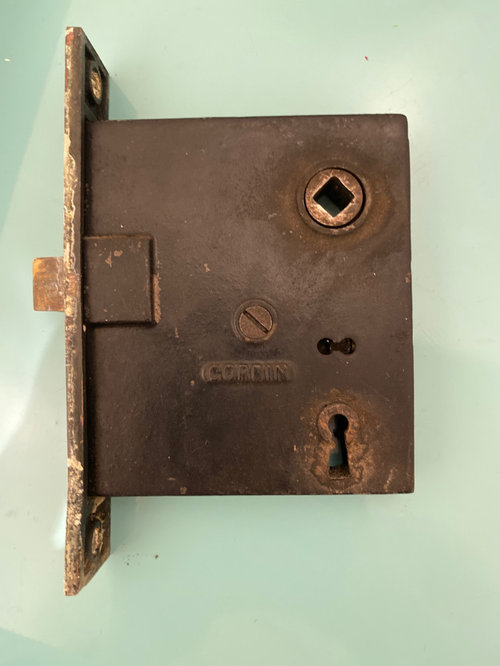
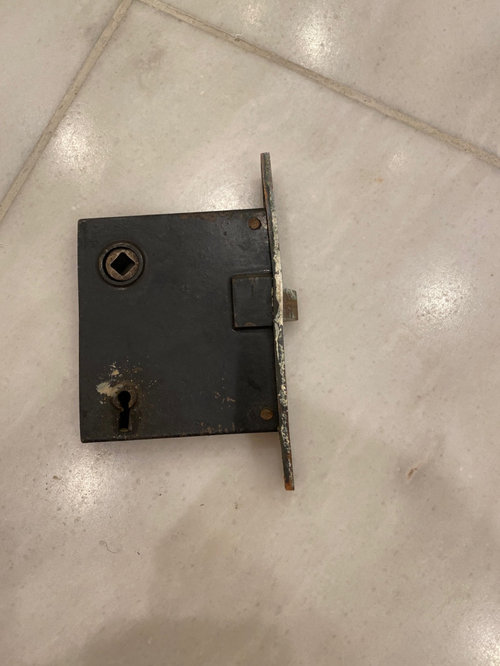
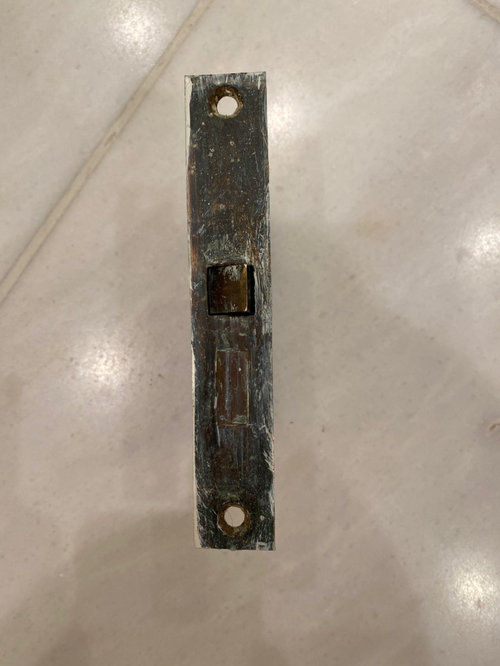
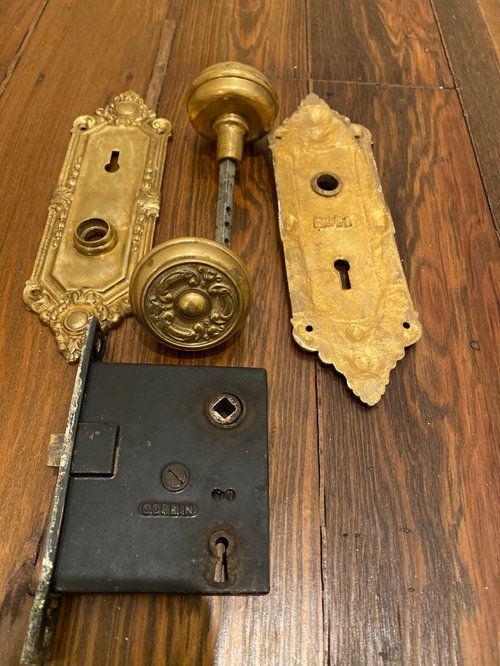
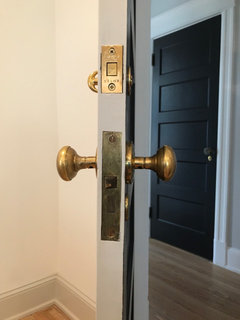
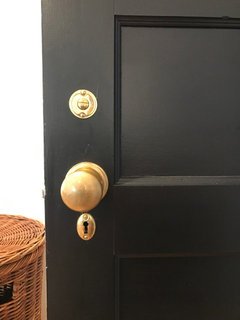
I have so many mortise locks in my historic house built in 1906. Our contractor had thrown them all out (along with the beautiful knobs and door plates) and I salvaged them and am working on reinstalling them to the doors. It’s a puzzle trying to match up the parts. I would like to know how to make a skeleton key for my locks. In particular, what is this figure 8 shape to the right of the embossed words “Corbin”? Is this a mold to make a new key? I have no knowledge of locks except for opening a few of the Mortise boxes just to have parts go everywhere (oops). Most of the doors in our house have these mortise lock boxes even if the contractor painted over them and installed a new twist knob. I’m so intrigued and want to understand how this works. Please offer any help you can. I do have about 10 skeleton keys that go to other antique pieces. How do I use these to test my mortise boxes? Thanks so much!

Comments (11)

  • 5 years ago

    There are hardware stores where you can buy skeleton key. Take a lock with you to get one that fits.

    elizabeth brown thanked Rose Pekelnicky
  • 5 years ago

    You might find a key at an architectural salvage place. There are several businesses that have locks, keys and knobs.

    elizabeth brown thanked Diane
  • 5 years ago

    I’m hoping to not have to take every mortise lock out. I have over 29 and half are painted closed. There is a shop here that will make keys if I bring the mortise lock in. Is there any way I can figure this out at home? And then when I decide which ones are in the best shape, bring the mortise box into the locksmith shop for a real key?

  • 5 years ago

    The figure 8 shape has nothing to do with determining the correct key. The key would go in the keyhole shaped space at the bottom. However, I am concerned that you may not have all the pieces of the lock mechanism. For example, in that last photo of yours I can see straight through the keyhole to the wood floor and the area around the keyhole does not appear to have a mechanism to turn once you insert a key...it just looks like a solid piece of metal maybe 1/8" thick.

    Even if you had a complete lock assembly, there is no way you are going to get a proper key figured out at home. Also, they may not all be keyed alike.

    You can insert the doorknob shaft into the square hole and rotate it to check whether the latch mechanism is functional and will retract it. Since you have already had problems with parts going astray, I recommend that you quit dissassembling any more of them. To determine if the bolts work properly, you will need a key. If none of the ones you have will work the bolt, your best option is to take a couple of these locks in to a decent locksmith for help.

    elizabeth brown thanked kudzu9
  • 5 years ago

    That contractor should be told to never throw away good hardware. Good for you in saving those door sets. I have seen old door keys at salvage shops, so people use them as wall art. I think that "House of Antique Hardware" sells a set of test keys that you could try.

    elizabeth brown thanked User
  • 5 years ago

    We just went through this exercise. We bought four or five different standard skeleton keys from Amazon and the hardware store and a couple of them worked. In addition, you can buy Corbin keys from EBay. However, in our house, each of the locks has a little number which is tied to a particular key. We were able to find a bunch of them but ended up adding thumb turns to the doors because it seemed like a better options with little kids.

    elizabeth brown thanked K L
  • 5 years ago

    Thanks so much! I read that some lock boxes have a number on them that correlates with a master skeleton key. And that there are 3 skeleton keys that almost always work the lock boxes from this period. I have so many keys so I’ll start trying them out. And I won’t open the insides of the lock boxes anymore @kudzu9. I only did that when going through a huge pile of hardware dumped on the lawn while trying to learn and understand what all of these items were. I’ve learned a lot! But there’s still more to learn. And @raye_Smith that contractor is no longer in business. He was the pits. I argued with him about the door knobs. They even broke a marble floor in the foyer and shattered stained glass window in the dining room and spray painted another window solid white 🤦‍♀️. Lots of bad experiences restoring this house. I’m looking to turn that around :-)

  • 5 years ago

    Thanks @k_L ! That sounds right up my alley when it comes to solutions!

  • 5 years ago

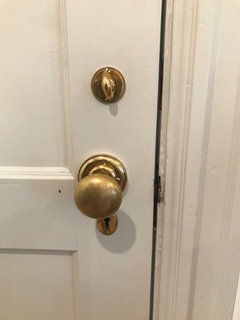
    Elizabeth—Here are some picture of the solution we came up with as it was really difficult to find all the necessary hardware pieces to make the locks work. We bought thumbturns and strikeplates from House of Antique hardware, so we don’t use the mortise locks for anything other than latching the door closed. Our original doorknobs and faceplates weren’t salvageable so these are Baldwin replacements.

  • 5 years ago

    Oh, and to clean everything, we boiled it all in a crockpot and then used a little linseed oil to prevent rust in the future.