

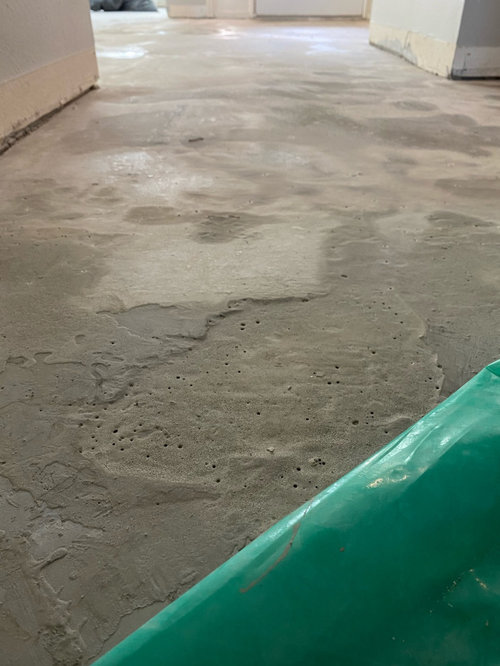
Help on Floor Prep for LVP
5 years ago

Sort by:Oldest
Comments (4)

Related Stories
SELLING YOUR HOUSEKitchen Ideas: 8 Ways to Prep for Resale
Some key updates to your kitchen will help you sell your house. Here’s what you need to know
Full Story
SELLING YOUR HOUSEHelp for Selling Your Home Faster — and Maybe for More
Prep your home properly before you put it on the market. Learn what tasks are worth the money and the best pros for the jobs
Full Story
MOST POPULAR9 Real Ways You Can Help After a House Fire
Suggestions from someone who lost her home to fire — and experienced the staggering generosity of community
Full Story
ENTERTAININGHow to Prep for a Holiday Party in One Week
You can take care of the house, menu and music in a few days with help from this time-saving checklist
Full Story
GARDENING AND LANDSCAPING12 Ways to Prep the Porch for Summer
Small Floor-to-Ceiling Projects for Your Front-Yard Perch
Full Story
DISASTER PREP & RECOVERY7 Ways to Help Someone Hit by a Hurricane
The best things you can do in the wake of devastation are sometimes the most surprising
Full Story
LATEST NEWS FOR PROFESSIONALSHow to Help Clients and Adjust Your Work After a Natural Disaster
When disaster strikes, overwhelmed homeowners turn to design pros to help them rebuild their lives
Full Story
KITCHEN DESIGNKey Measurements for Your Kitchen Design
Get the ideal kitchen setup by understanding spatial relationships, dimensions and work zones
Full Story
BATHROOM DESIGNOut With the Old Tile: 8 Steps to Prep for Demolition
This isn't a light DIY project: You'll need heavy-duty tools and plenty of protection for your home and yourself
Full Story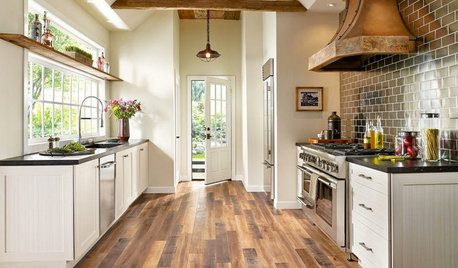
MOST POPULARPros and Cons of 5 Popular Kitchen Flooring Materials
Which kitchen flooring is right for you? An expert gives us the rundown
Full Story

SJ McCarthy
G & S Floor Service
Related Professionals
Washington Home Remodeling · Lewiston Home Remodeling · Billings General Contractors · Muskogee Furniture & Accessories · Nashville Furniture & Accessories · Springfield Furniture & Accessories · Santa Maria Carpenters · Amarillo Carpenters · Hot Springs Custom Closet Designers · Anderson Flooring Contractors · Lawrenceburg Flooring Contractors · Sacramento Flooring Contractors · Las Cruces Flooring Contractors · Athens Tile and Stone Contractors · Toronto Tile and Stone ContractorsJennifer FernandezOriginal Author
G & S Floor Service