

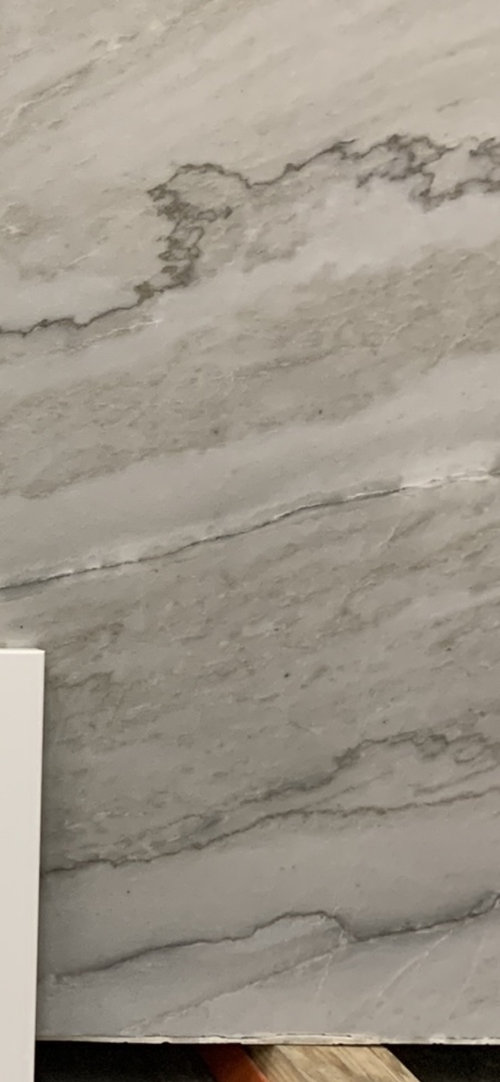
Can a stone professional help?
5 years ago
last modified: 5 years ago
Featured Answer
Sort by:Oldest
Comments (11)
 5 years agolast modified: 5 years ago
- 5 years ago
Related Professionals
Rocky Mount Architects & Building Designers · Middlesboro Design-Build Firms · Augusta Design-Build Firms · Lawrence Home Builders · Tacoma Home Builders · Sanford Bathroom Remodelers · Magnolia Interior Designers & Decorators · Greenville Interior Designers & Decorators · Brattleboro Kitchen & Bathroom Designers · Pierre Kitchen & Bathroom Designers · Louisville Kitchen Remodelers · Joplin Kitchen Remodelers · Savannah Custom Countertops · Manchester Custom Countertops · Erie Custom Countertops 5 years ago
- 5 years ago
- 5 years ago
- 5 years ago
- 5 years agolast modified: 5 years ago

Related Stories
LATEST NEWS FOR PROFESSIONALSGot Masks? Here’s How You Can Help During the Coronavirus Crisis
If you have N95 masks and other protective items needed by medical professionals, you can help by donating your extras
Full Story
LATEST NEWS FOR PROFESSIONALS3 Practices That Can Help You — and Your Business — Grow
You don‘t always need a class or a coach to improve professionally. Focus on getting better at these everyday tasks
Full Story0
MATERIALSRaw Materials Revealed: Brick, Block and Stone Help Homes Last
Learn about durable masonry essentials for houses and landscapes, and why some weighty-looking pieces are lighter than they look
Full Story
LANDSCAPE DESIGNFire-Wise Landscapes Can Help Keep Your Home and Property Safe
Choose fire-resistant plants and materials and create defensible areas using these design strategies
Full Story
LANDSCAPE DESIGNWhat the Heck Is a Ha-Ha, and How Can It Help Your Garden?
Take cues from a historical garden feature to create security and borders without compromising a view
Full Story
MOST POPULAR9 Real Ways You Can Help After a House Fire
Suggestions from someone who lost her home to fire — and experienced the staggering generosity of community
Full Story
HOME TECHHow Tech Can Help You Understand Your Home’s Air
Get the scoop on 5 gadgets that can help you monitor your home’s indoor air quality
Full Story
HOUZZ PRODUCT NEWS2 Things That Can Help Keep a Remodeling Project on Track
How you react to a problem can make or break a project. Being nimble and creative can ensure a positive outcome
Full Story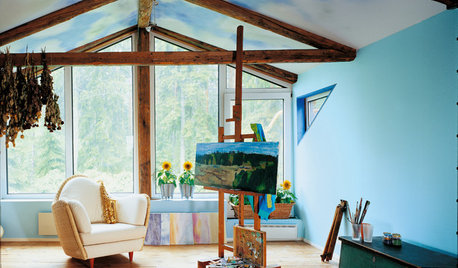
LIFE10 Ways Your Home Can Help With Your Resolutions
Eating healthier, getting in shape and finding a creative outlet are among the common resolutions you can tackle at home
Full Story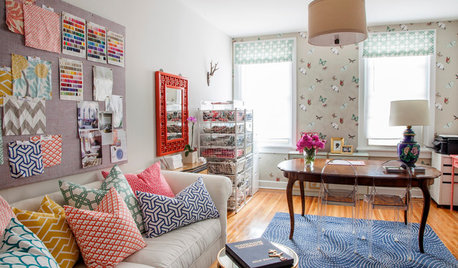
STUDIOS AND WORKSHOPSYour Space Can Help You Get Down to Work. Here's How
Feed your creativity and reduce distractions with the right work surfaces, the right chair, and a good balance of sights and sounds
Full Story



karin_mt