Software
Houzz Logo Print
lastwestdesigns

Can anyone identify this tomato disease?


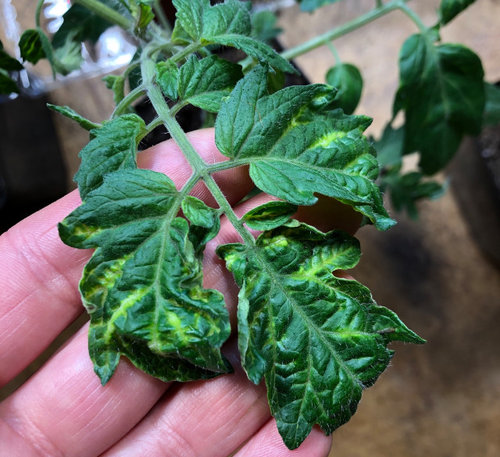
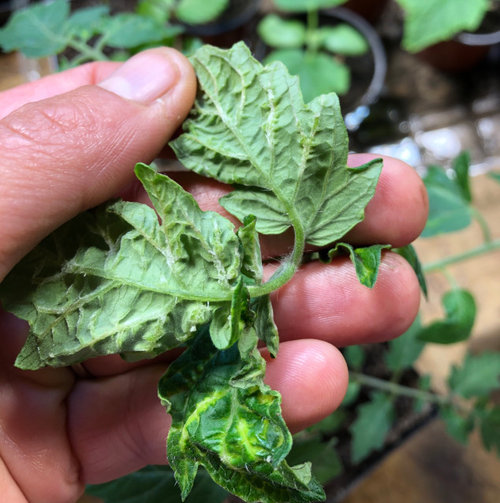
The leaves of my tomato starts are turning yellow and puffy along the vein. The underside of the vein seems to be oozing moisture along the vein. Anyone know what this could be? Thanks!

Comments (8)

  • 5 years ago

    I don't believe you have a disease but I do think you have a watering and a slight fertilizing problem. A few pictures of the entire plants would better help identify the problem along with what fertilizers you've added in addition to the amount and frequency, and also the conditions the plant is growing in.

    the leave color is a little to green suggesting to much nitrogen but not the main issue. The puffy oozing veins suggests a condition called edema in tomatoes and is caused partly from environmental conditions along with fertilizer problems, with some cultivars more prone to the condition than others.

    Basically it's the plant taking up more water than the plant can transpire and is a water bloating issue. it can be fixed by simply changing your watering habits, and if they're potted plants the potting soil may be retaining to much water, or not draining well and you don't want to saturate the root zone. There could also be ventilation problems or very high humidity effecting transpiration of the plant, but can't tell not knowing the growing conditions and unable to see them in your pictures. Lastly improper fertilization could contribute to the condition or a deficiency of one or more nutrients caused by the wrong PH, but I'd start with the water problem first.

  • 5 years ago

    what he said ...


    welcome to the forums ... it helps to know where you are.. big city name.. potted or in the ground... soil type if in ground ... a pic of the whole plant ..


    and any other relevant history ... how you water.. fert.. media in a pot if so .. etc ..


    all you have given us is the leaf ... and we are lucky kevin got as far as he did.. with so little info ...


    the more info you give.. the more helpful we can be ...


    come back often


    ken

    Last West Designs, LLC thanked ken_adrian Adrian MI cold Z5
  • PRO
    5 years ago

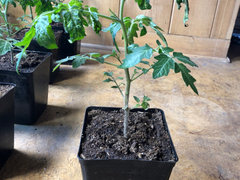
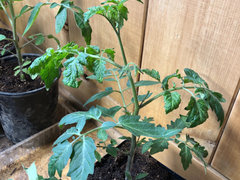
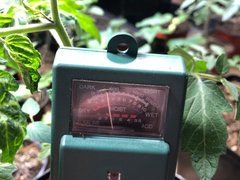
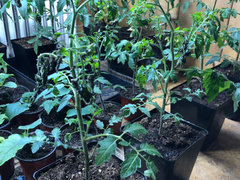
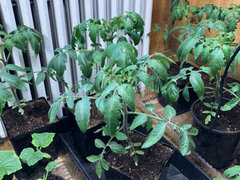
    Sorry, I am completely new to gardening, that's why the ignorance as to what type of info is needed. I am growing the tomato plants in pots at home, currently, till they are ready to move into the greenhouse. This did happen after I transplanted them into bigger containers. I did add blood meal and a general 4-4-4 vegetable fertilizer into the potting mix, and I watered abundantly with water with some dissolved Epsom salt after transplanting. I tend to water only when the soil seems dry, but I did water A LOT on the day of transplanting. They are living in my attic under 1000 watt grow lights (15 hours a day), and it is humid in the area. I have a cheap pH meter and it's around 6.5. I attached some photos, let me know if you can give me more advice. I really appreciate it. Also, it seems like they are getting affected from the top, and it eventually leads to wilting and death. Some plants are in worse condition than others.


  • PRO
    5 years ago
    last modified: 5 years ago

    Oh, this started happening after 2-3 days, not right away.


  • 5 years ago

    I know more about your plants now and have a few thoughts to share. The dark green color can be explained from the blood meal, it's high in nitrogen and very little of anything else, and isn't needed with tomato plants. The 4-4-4 fertilizer was sufficient while the plant is in the vegetative growth stage and suggest not using the blood meal anymore. When the plants start flowering Potassium demand overtakes nitrogen in the N-P-K ratio and they will use 2 to 2 1/2 times more potassium than nitrogen over the life of a plant.

    I'd like to know how much Epsom salt you used on the plants. The size of your pots would only require less than 0.04 to 0,05 grams of magnesium (Mg) assuming there was none in the soil to begin with, or around 0.5 grams of Epsom salt (9.8% Mg). What excess Mg will do is cause a Calcium and potassium deficiency even if they're available in the soil. Calcium is responsible for building cell walls and plant structure, but potassium is the workhouse. It does a lot of things including regulating osmotic pressure which is the applied pressure to the inward movement of water which improves wilting resistance.

    I don't know if you put to much Mg in the pots but do know very little is ever required.

    One teaspoon of epsom weighs 4 to 5 grams and is almost 1000% more then needed in the soil of each of your pots. With the added growth from excess nitrogen and the deficiency of potassium caused by excess Mg the normal functions of your plants could be breaking down and overloaded.

    If your Mg (epsom salt) application was excessive I'd advice trying to leach it out along with the excess nitrogen in the pots. But only if you know your plants haven't retained excess water. Pick them up, you will be able to feel a big difference in weight between water logged pots and dry pots. Nitrogen is easier to leach than Mg but it can be done because I do not believe your potting soil contains clay, and Mg clings to clay holding it in place. Set the pots on a rack above the trays and run a good amount of water through the the pot at a slow rate and let them drain.

    I guess there isn't much more I can add, I'd say you've done a great job growing the plants and believe the problem came from your additives and not from transplanting them. Oh, any big change in the potting soil you used?

    Last West Designs, LLC thanked outpaientzero
  • PRO
    5 years ago
    last modified: 5 years ago

    Thanks for your input, Kevin. I dissolved 2 tablespoons of the Epsom salt in a gallon of water, but the water was shared among several plants and I couldn't tell you how many ounces I added to each. Today, I ended up transplanting the plants that were doing really bad again, and putting them in fresh soil without any additives this time around. While doing that, I noticed that the soil was very wet still although I watered 2 or 3 days ago.

    To answer your question, I used the same potting soil throughout, but because I had other issues previously, I thought that the soil might be poor in nutrients and that's why I added the fertilizers. I'll see if they survive.

    I have another question, if you don't mind. When I moved the plants into this new soil today, I ended up not watering them because the root ball was very wet and had soil stuck to the roots. Do you think that was wise or should I have watered regardless? Thanks for your help :)

  • 5 years ago

    If you mixed the new soil in water to get it damp I'd let them sit without watering for a while. Mid April I took a dozen plants from a neighbor to fix which were in bad shape. Just by the weight I could tell they were saturated so I transplanted them from their 4" pots into 6" pots using just damp potting soil and let them sit two weeks until the pots felt light before watering. They survived and were very healthy when I gave them back. The roots were originally sparse and dark brownish. the plants grew new root which were a nice white to a very light brownish tint color and plentiful when I was done.

    What color were your roots? It won't really hurt to pop a plant out of the pot to look if you're ever in doubt. Don't water by time but determine the need to water by judging the weight and I'd prefer to let them slightly wilt from dry conditions before watering than wilting from over watering. This means the roots are dying from suffocating due to drowning and if enough die the root system can't support the foliage above. It may be beneficial to prune some of the foliage from the plants you transplanted over so the remaining roots can support what is left, if not the plant will do it themselves to survive.

Sponsored
Urban Upkeep LLC
Average rating: 5 out of 5 stars6 Reviews
Columbus High Quality Painting Expert
More Discussions