

Why does installing a paver patio seem so impossible!?
5 years ago
Sort by:Oldest
Comments (8)

Related Stories
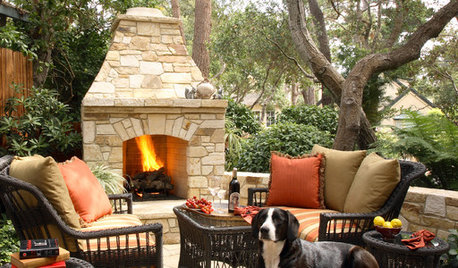
PATIOSSpring Patio Fix-Ups: Install an Outdoor Fireplace or Fire Pit
Make your yard the place to be by adding a fire feature that draws a crowd
Full Story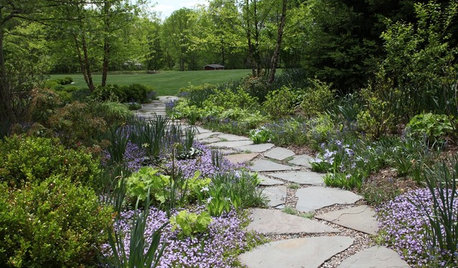
GREAT HOME PROJECTSWhat to Know About Installing a Walkway of Pavers and Pebbles
Find out how to get started, whom to hire, materials to use and costs to expect when adding a path of pavers and gravel
Full Story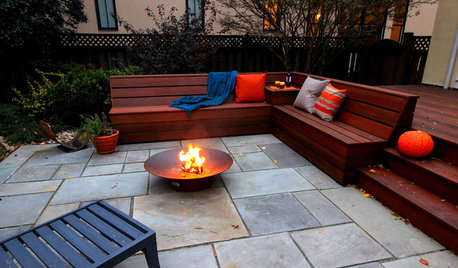
BACKYARD IDEASWhat to Know About Installing a Stone Patio
Planning to add a stone patio to your landscape next year? Here’s what to consider before getting started
Full Story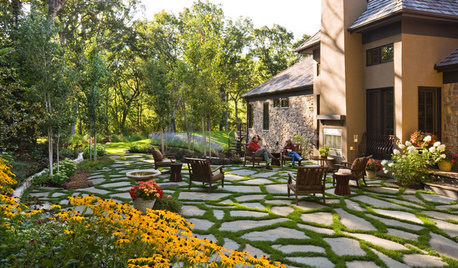
GARDENING AND LANDSCAPINGPatio Pavers Go Green in Between
Kind to the environment and easy on the eyes, pavers with moss or other foliage in the joints create a charming permeable hardscape
Full Story
LANDSCAPE DESIGNSee How 3 Patios Ingeniously Mix Pavers and Pebbles
Designers show there is more than one way to execute this popular material pairing
Full Story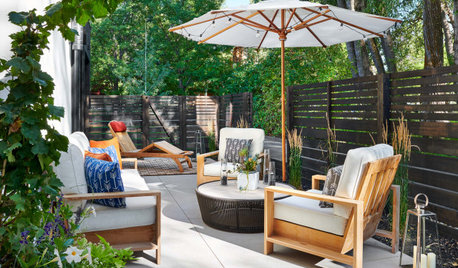
TRENDING NOWThe 10 Most Popular Patios So Far in 2020
Fire pits, fireplaces, pergolas, bluestone and modern furniture mark the most-saved patio photos of the year
Full Story
KITCHEN BACKSPLASHESHow to Install a Tile Backsplash
If you've got a steady hand, a few easy-to-find supplies and patience, you can install a tile backsplash in a kitchen or bathroom
Full Story
INSIDE HOUZZHow Much Does a Remodel Cost, and How Long Does It Take?
The 2016 Houzz & Home survey asked 120,000 Houzzers about their renovation projects. Here’s what they said
Full Story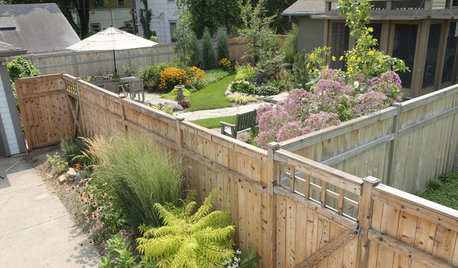
FENCES AND GATESHow to Install a Wood Fence
Gain privacy and separate areas with one of the most economical fencing choices: stained, painted or untreated wood
Full Story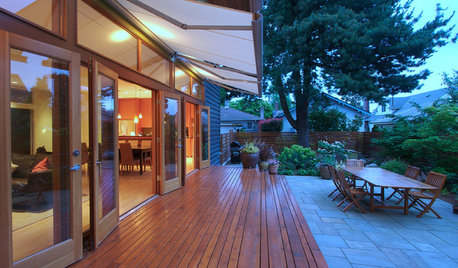
PATIOSPatio Details: Awning-Covered Patio and Playhouse for a Shared Property
A main house’s patio uses a wall of the property’s secondary unit to help create a private outdoor living space
Full StorySponsored

Columbus Design-Build, Kitchen & Bath Remodeling, Historic Renovations
fnmroberts
Lisa AndersonOriginal Author
Related Professionals
Barnstable Landscape Architects & Landscape Designers · Hot Springs Decks, Patios & Outdoor Enclosures · Toronto Decks, Patios & Outdoor Enclosures · York Decks, Patios & Outdoor Enclosures · Owensboro Home Builders · Napa Home Builders · Zanesville Home Additions · Yuma Home Additions · Indianapolis Furniture & Accessories · Murfreesboro Furniture & Accessories · Portsmouth Carpenters · Salinas Carpenters · Durango Carpenters · Crestview Custom Closet Designers · Cornwall Custom Closet Designersfnmroberts
3onthetree
daisychain Zn3b
Joseph Corlett, LLC
ulisdone
3onthetree