Software
Houzz Logo Print
kevin_rymer73

Arched radius window leaking

5 years ago
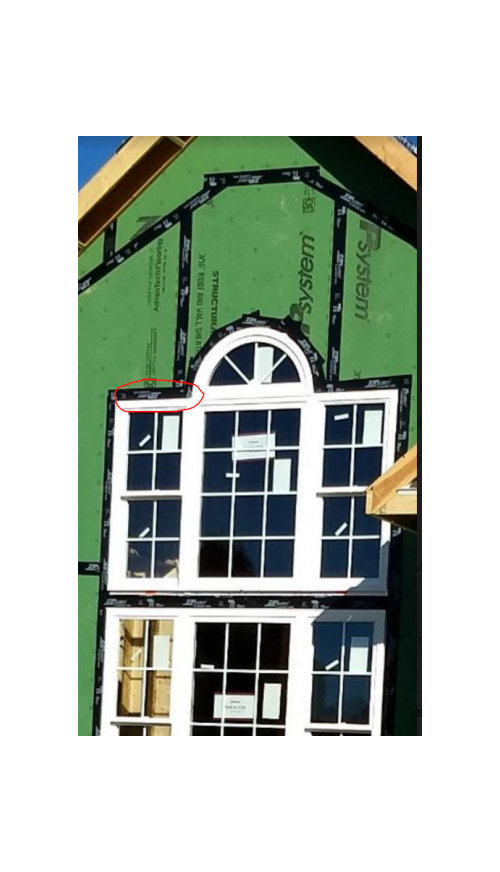
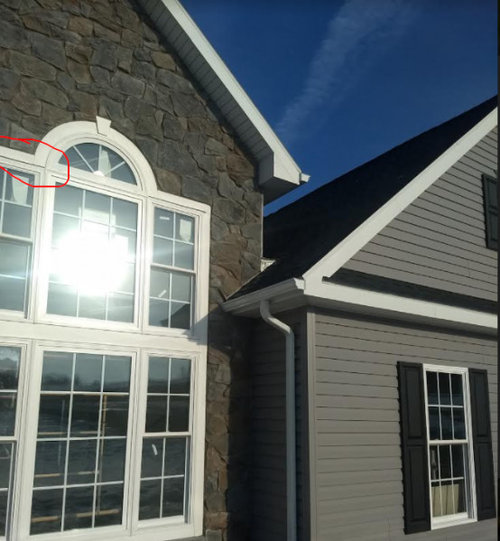
We have an arched radius window on a home we just had built. During a very strong rain storm yesterday (with wind-driven rain) we noticed we had some water dripping inside below the interior window trim to the left of the window (from the outside pictures, circled in red). I attached a picture of how the window was flashed before the stone veneer went up. We are obviously contacting the builder about correcting this but I was hoping someone may be able to tell me based on the pictures whether the window was originally flashed correctly, or what you may see lacking that I can convey to the builder. Thanks in advance!


Should I push to have the builder remove the stone veneer around the window to inspect it further, or just start with looking around the trimmed area? I spoke with them today and I think they would rather just caulk or look for voids in the mortar on the outside.

My other question is though that if the wall was properly flashed water still shouldn't have been able to penetrate inside it, even if the outside was missing caulking/mortar. Is that a correct assumption?


Comments (43)

  • PRO
    5 years ago

    Just like waterproofing in a shower, the stone veneer has nothing to do with the house being waterproof- it is just a sacrificial layer. The waterproofing comes from the sheathing, tape, and flashing. I'm curious how that wide white trim was detailed prior to the stone being installed.

  • 5 years ago

    You can see a small line in the original window unit trim, and then when the stone was installed the outer band of trim was installed over top of it. I would feel more comfortable if they at least removed the outer trim and looked at the flashed area, but I'm not sure if they will be willing to do this. They seemed hesitant to have to remove any of the stone veneer.

  • PRO
    5 years ago

    The outer trim was installed OVER the stone? How is it held in place?

  • 5 years ago

    no it was installed to the zip sheating underneath.

  • 5 years ago

    "then when the stone was installed the outer band of trim was installed over top of it"


    "no it was installed to the zip sheating underneath."


    Which is it?


  • 5 years ago

    the trim was installed over the zip sheathing. What I originally referred to was the outter band of trim was installed over top of (the window unit).

  • PRO
    5 years ago

    Water could be coming from where the windies are mulled together and running down the frame as well. Maybe even from nail or screw holes in the flashing from the trim. Might want to try find leak from the inside first and di sime water testing. Pics frim the inside might help.

  • PRO
    5 years ago

    Have it water tested. Those veneers are prone to leaking and that flashing tape can have some pull away. Usually, if it is showing at the trim, the leak is above the window. How windy was this rain? Have you checked the attic and soffit for any evidence of any leaks.


    There are a bunch of steps and investigations to complete prior to ripping off the veneer.

  • 5 years ago

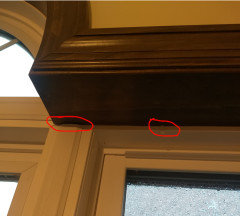
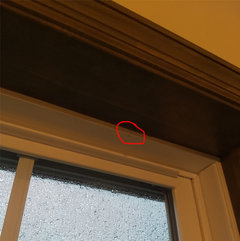
    It was a pretty good wind-driven rain (gusts around 25mph) event. Here are interior pictures with where we could see water dripping below the interior head casing. I just want to get some opinions on what is reasonable to expect the builder to check. Sounds like water testing is suggested. I wonder if the interior casing should be removed to get a better look at where the leak may be coming from. I would like to balance fixing the leak along with causing minimal damage to the stone/trim work is possible.


  • PRO
    5 years ago

    Casing may come off, but drywall above is also likely prior to pulling stone.

  • PRO
    5 years ago

    Is there an attic above? You would start there prior to demo'ing anything.

  • 5 years ago

    That area has a cathedral ceiling but I believe there is a small opening in the center.

  • 5 years ago

    It's probably easier to remove interior trim, drywall, etc first to figure out thr location of the problem. Had a friend who had a leak in her kitchen slider and ruined her floors. It was.not coming from the slider, but from the window in the bedroom above. When they put in new trim, the contractors cut through the trim and into the tyvek. I can't recall if there was something about the caulking too, bit basically where she was seeing water was not where the water was coming in and it was from a cut into the house wrap at the window trim.


    Glad you found it now. She had to replace drywall, insulation, siding (so house wrap could be replaced), and flooring throughout first floor since it was laminate and the color was discontinued. This was after giant fans and heaters were brought in to dry things out. Then weeks of construction. At least their insurance seemes to cover it without too much trouble.

  • 5 years ago

    The good thing is that there isn't another floor above this. This is almost at the top of the wall so that should narrow down where the problem is.

  • 5 years ago
    last modified: 5 years ago

    Speaking of insurance, you want to make sure they discover the source of the problem and test the fix. If they just slap some more caulk up there it may be fine, but if it does continue a slow leak and you don't see it for a while, the builder's warranty may be over and your insurance may not cover it because it was a defect you should have addressed earlier. It would be failure to maintain or something.

    Another friend of mine had had a leak in her bathroom that they didn't discover for a bit. Insurance denied their claim saying they should have noticed and it was their maintenance failure that caused the problem. Not sure how that could be since they couldn't see it, but there you go. You don't want that to happen.

  • 5 years ago

    Water can travel in mysterious ways and come out in places that have nothing to do with the actual location of the leak. Don't make any assumptions!

  • PRO
    5 years ago

    Great advice from Todd and WoW. Water test. Start low and work your way up.... and that is if you are inclined to try and diagnose this yourself. Either way, as the others stated the stone is about the last thing that would be touched.

  • 5 years ago

    Do you suggest having the exterior (white) trim removed around the window first to inspect?

    I'm afraid if I don't give explicit instructions the builder will just come back and only re-caulk the outside seams. This seems more of a bandaid fix as if it was waterproofed properly in the first place than any water that did migrate in would still have a way out before penetrating through the wall.

  • PRO
    5 years ago

    I think you should talk and then see what they are proposing. . Recaulking or adding more caulk is not the answer.

  • PRO
    5 years ago

    I'd water test first. Hit the windows themselves first, particularly around the mulls (strips that join the windows together). Then move up to the trim area. If you still don't see anything you could move up and start spraying the stone, but as was already alluded to, that stone isn't fully waterproof anyway. You will likely find the leak at the window mull, window to trim interface, or flashing of/behind the trimboards. Ideally they would have added a drip cap flashing over the top of those trim boards creating a second level of seal, but that is not likely to happen at this point nor is it needed to fix the leak. If the water testing is inconclusive, I'd rip the boards and the flashing tape off and reseal.

    I'd also recommend getting a diagnosis from the builder before offering your thoughts. Ask that he tell you his gameplan prior to doing the work, but see what he comes back with first as you could sour things if you come out of the gate with guns blazing. Diplomacy goes a long way.

  • 5 years ago

    Thanks for the feedback. Hoping we can figure it out. As we're speaking now we're getting a severe thunderstorm and have water trickling inside :(

  • PRO
    5 years ago

    It is flunking the water test.

  • PRO
    5 years ago
    last modified: 5 years ago

    My guess is the exterior window trim installation is at fault. What do I win?

  • PRO
    5 years ago

    it should not leak with or without trim. a more thorough water test with isolation may help . It would be interesting to know if these window were mulled in the field or the factory. Im going with a leaking mull joint where the bottom of the curved window meets the 2 windows below.

  • PRO
    5 years ago

    My guess is that it is either coming from above, or the mull interfaces as the window pros have mentioned.

  • PRO
    5 years ago

    when you say above , you mean its perhaps getting behind the sheathing at the wall eave interface? Ive seen hard driven rains force rain down roof vents, and of course ice dams that leak down the wall and make your window look bad.

  • PRO
    5 years ago

    Yes. Roof to wall interface.

  • PRO
    5 years ago

    Is there flashing above the exterior window trim?

    What type of fasteners were used to secure the exterior trim to the house?

    Is the header frame of the double hung window below the water entering the house perfectly level?

  • 5 years ago

    The flashing tape on the circle top looks like it could have been done better. Solid feedback from the other window guys, architects not so much. Anyone thinking that the fasteners in the trim board may be causing this or that leaking during rain negates the need for a water test should really stick to drawing houses.

  • PRO
    5 years ago

    Fridge - I am not asking the questions to get an answer, I am asking to gather information; but you do not understand that.

  • PRO
    5 years ago

    Long and short...needs a water test. My guess is the mull locations as they are prone to leaking if not done properly. Faster question about the trim is, I am guessing, as it relates to it's "removalability"?

  • 5 years ago

    Thanks for the feedback. Will have the builder do a water test first and go from there.

  • 5 years ago

    Are you referring to the mulls between the half round window and the center window below it? How would one know if there is an issue with that?

  • PRO
    5 years ago

    Judging from the photos it appears the builder made a good effort to flash the window. You noted that the rain was wind-driven. Houses are typically designed for rain that behaves well, i.e, that follows a straight-down vertical path to earth. Horizontally-driven (and sometimes upward-driven) rain can get into places which wouldn't typically be a problem. I once observed wind-driven rain being driven upward into soffit vents.


    I agree with others that the mulls are a good place to look. They are often poorly done at the factory.

  • PRO
    5 years ago

    If I ever imagined Mark Bischak in a trench coat, I don't think it was in a Columbo-esk scene....

  • PRO
    5 years ago

    It is from the leaky toilet on the other side of the house.

  • PRO
    5 years ago

    ^ Not so far fetched. I saw a "roof leak" that was really condensate dripping from a long run of metal chimney.

  • PRO
    5 years ago

    @Mark Bischak,


    I guess it's time for you to fire up the ole' Peugeot 403 and motor off to the next thread....

  • PRO
    5 years ago

    Charles, are you competing with fridge2020 for king of the trolls? Go attack someone else. I think Houzz frowns on users trying to get other users to leave a discussion when they have done nothing wrong. Put your professional hat back on, and quit hiding behind a company name.

  • 5 years ago

    Serious question: Is a guy a troll who comments gibberish on a subject that he's clearly not qualified to speak on, or is the troll the guy that calls him out for it?


    Kevin, sounds like a good plan. Let us know what he comes back with.

  • PRO
    5 years ago

    I owe my colleague Charles Ross Homes an apology. He did not know I have not owned a TV for more than 30 years and do not watch television. I never watched Columbo and did not make that connection. I took his comment wrong, and all the blame lies on me. Please accept my apology and continue your valuable comments on all these threads, and our attempts at humor. I am truly sorry. If it is okay with you I will leave my comment to show how how stupid some people (me) can be, or I think I can delete it.

    (if you know of a Peugeot 403 for sale please let me know)

  • 5 years ago
    last modified: 5 years ago


    For Sale.

    (Warning: may leak in the rain.)

    ***************

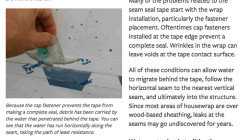
    The flashing and taping may be the culprits. See Zip manual for their recommendations.


    Research has shown that simply not using a roller on the flashing tape (as ZiP advises) or making sure the surfaces are clean and dry will lead to failure in horizontal taping. Usually, the builder is lucky enough for such leaks to show up years past legal culpability.