

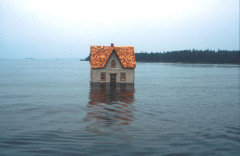
Standing water in basement during home construction
5 years ago
last modified: 5 years ago
Featured Answer
Sort by:Oldest
Comments (10)
 5 years ago
Related Professionals
Erie Architects & Building Designers · Lubbock Architects & Building Designers · Annapolis Design-Build Firms · Salisbury Design-Build Firms · Austin Home Builders · Eugene Home Builders · Fairbanks Home Builders · Palm Bay General Contractors · Rocky Mount General Contractors · Saint Marys General Contractors · Orangeburg Interior Designers & Decorators · Tallahassee Cabinets & Cabinetry · Parkersburg Cabinets & Cabinetry · Plymouth Cabinets & Cabinetry · Leamington Cabinets & Cabinetry- 5 years ago
 5 years ago
 5 years ago
- 5 years ago
- 2 years ago
 PRO2 years ago
 2 years ago
 PRO2 years ago
Related Stories
HOME OFFICESHealthy Home: 8 Ways to Add a Standing Desk
Check out these options for doing less sitting during your screen, work and craft time
Full Story
GREEN DECORATINGEasy Green: Big and Small Ways to Be More Water-Wise at Home
These 20 tips can help us all make the best use of a precious resource. How do you save water in summer?
Full Story
ROOM OF THE DAYBasement Remodel Welcomes an Industrial-Style Home Brewery
An interior designer creates a space for a Michigan homeowner to pursue his beer-making hobby and entertain friends
Full Story
LIFEThe Top 5 Ways to Save Water at Home
Get on the fast track to preserving a valuable resource and saving money too with these smart, effective strategies
Full Story
WORKING WITH PROS5 Steps for Hiring Home Pros During the Pandemic
Get assurances on these health and safety practices when choosing remodeling and design firms to handle your project
Full Story
WORKING WITH PROS7 Things That Stand in the Way of Having an Organized Home
Whether your challenge is a lack of time, a young child, poor health or another obstacle, a pro can help you through
Full Story
SAVING WATER11 Ways to Save Water at Home
Whether you live in a drought-stricken area or just want to help preserve a precious resource, here are things you can do to use less water
Full Story
TRAVEL BY DESIGN10 North American Homes That Are Fabulously on the Water
Float homes, houseboats and boats serve these view-loving homeowners well
Full Story
ARCHITECTURE85 Years Ago, These Still-Standing Model Homes Saw the Future
The 5 remaining houses from the 1933 Chicago World’s Fair are still teaching us about innovative design
Full Story
GARDENING FOR BUTTERFLIESGreat Design Plant: Parry Manzanita Stands Out in Low-Water Gardens
Make a dramatic architectural statement and feed wildlife in woodlands and more with Arctostaphylos manzanita
Full Story
PPF.