

Need Advice on Builder Contract
5 years ago
Sort by:Oldest
Comments (5)

Related Stories
LATEST NEWS FOR PROFESSIONALS7 Client Communication Tips for Remodelers and Builders
Agree on a schedule for project updates, establish a point person, set phone boundaries and more
Full Story
LATEST NEWS FOR PROFESSIONALSNetwork and Get Advice on the Houzz Pro-to-Pro Forum
Professionals have their own free discussion area on the site to engage with peers and stay up to date on Houzz
Full Story0
WORKING WITH PROSBeyond the Warranty: Builders Respond to Those ‘Oh, No’ Calls
See how three building pros deal with real problems that come up after the warranty period ends
Full Story
BUDGETING YOUR PROJECTConstruction Contracts: What Are General Conditions?
Here’s what you should know about these behind-the-scenes costs and why your contractor bills for them
Full Story
ARCHITECTURE7 Builder Upgrades to Skip in a New Home
Consider taking a pass on these options. You’ll increase your choices by doing them later
Full Story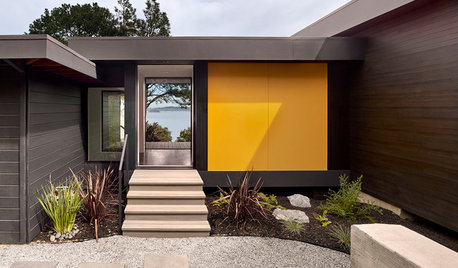
BUDGETING YOUR PROJECTConstruction Contracts: What to Know About Estimates vs. Bids
Understanding how contractors bill for services can help you keep costs down and your project on track
Full Story
CONTRACTOR TIPSWhat to Look for in a Contractor's Contract
10 basic ingredients for a contract will help pave the way to remodel happiness
Full Story
REMODELING GUIDES10 Tips for Choosing and Working With a Builder
Make your construction experience a happy one by following these steps
Full Story
WORKING WITH PROSConstruction Contracts: How to Understand What You Are Buying
Learn how plans, scope of work and specifications define the work to be completed
Full Story
DECORATING GUIDES10 Design Tips Learned From the Worst Advice Ever
If these Houzzers’ tales don’t bolster the courage of your design convictions, nothing will
Full Story
chispa
spec
Related Professionals
Sioux City Architects & Building Designers · Erie Architects & Building Designers · Palm Bay Design-Build Firms · Effingham Design-Build Firms · Alexandria Design-Build Firms · Modesto Design-Build Firms · Victorville Design-Build Firms · Victoria Design-Build Firms · Sanford Design-Build Firms · Effingham Home Builders · Enid Home Builders · Abilene Home Builders · Petersburg Home Builders · Marquette Home Builders · Watertown Home Builderscpartist
Lyndee Lee
Charles Ross Homes