

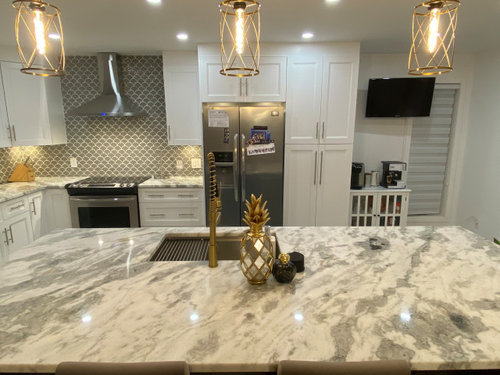
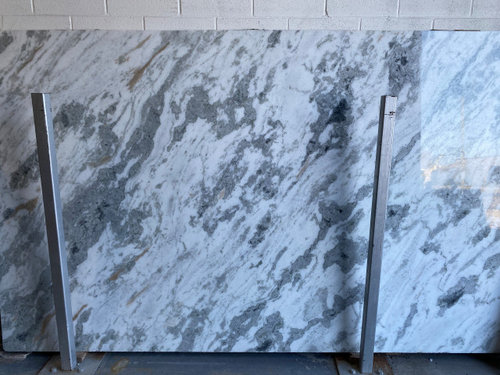
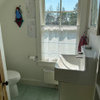
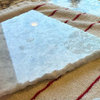
Is this real quartzite?
4 years ago
Sort by:Oldest
Comments (5)

Related Stories
KITCHEN COUNTERTOPSWhat’s the Difference Between Quartzite and Quartz Countertops?
Weigh the pros and cons of these popular kitchen countertop materials
Full Story
KITCHEN COUNTERTOPSKitchen Counters: Quartzite Offers Strength and Beauty
Eye-catching patterns and a natural pedigree make durable quartzite a popular alternative to granite and marble
Full Story
KITCHEN DESIGNPearls of Wisdom From a Real-Life Kitchen Remodel
What your best friend would tell you if you were embarking on a renovation and she'd been there, done that
Full Story
KITCHEN DESIGN23 Inspiring Real-Life Kitchens
Get Ideas for Your Own Project from Creative Houzz Members' Kitchens
Full Story
ROOM OF THE DAYRoom of the Day: A Texas Kitchen Full of Natural Materials
Quartzite counters and limestone walls create a light and relaxed feeling in this active zone
Full Story
BATHROOM MAKEOVERSBathroom of the Week: Timeless Style Updates a ’90s Master Bath
A designer gives a Dallas couple’s bathroom a smarter layout, new vanities, quartzite countertops and more
Full Story
KITCHEN DESIGN24 Dramatic Kitchen Makeovers
From drab, dreary or just plain outdated to modernized marvels, these kitchens were transformed at the hands of resourceful Houzzers
Full Story
KITCHEN DESIGNKitchen of the Week: Traditional Shaker Kitchen in a London Townhouse
Personalized features, solid oak cabinet frames and a custom ladder system make for an elegant and highly efficient space
Full Story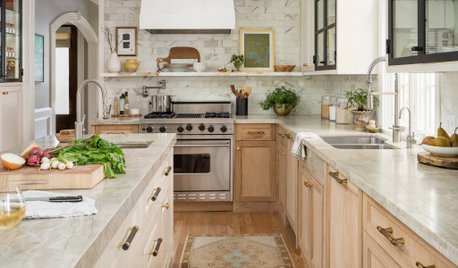
KITCHEN MAKEOVERSKitchen of the Week: Refaced Cabinets and Fresh Style
A Houston designer updates her kitchen with materials and methods that create bright new style on a budget
Full Story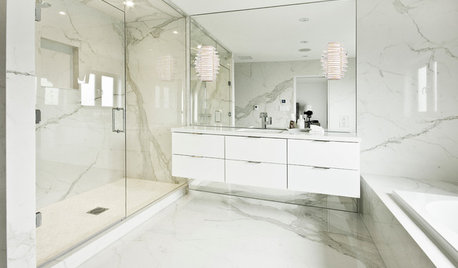
DECORATING GUIDESLook-Alikes That Save Money Without Skimping on Style
Whether in woodwork, flooring, wall treatments or tile, you can get a luxe effect while spending less
Full Story

M Miller
Kev NgOriginal Author
Related Professionals
Rock Hill Bathroom Remodelers · Marquette Interior Designers & Decorators · Poughkeepsie Interior Designers & Decorators · Sarasota Architects & Building Designers · Lexington Architects & Building Designers · Eau Claire Architects & Building Designers · Natchez Kitchen & Bathroom Designers · Hopkinsville Kitchen & Bathroom Designers · Poughkeepsie Kitchen & Bathroom Designers · Montrose Kitchen & Bathroom Designers · Aberdeen Kitchen Remodelers · Poughkeepsie Kitchen Remodelers · Springfield Custom Countertops · Portsmouth Custom Countertops · Beckley Custom CountertopsM Miller
Debbi Washburn
Beth H. :