

Crumbling Interior Brick Wall
4 years ago
Sort by:Oldest
Comments (4)
Related Stories
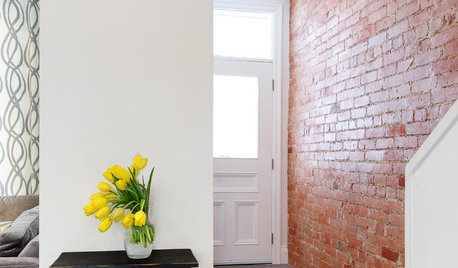
BRICKHow to Make an Interior Brick Wall Work
Learn how to preserve, paint, clean and style a brick wall to fit your design scheme
Full Story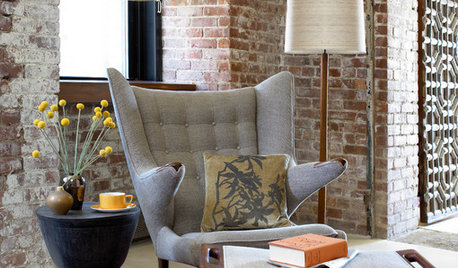
REMODELING GUIDESInterior Brick: Paint it or Leave It?
Here's how to know if covering that brick is a sin or solution
Full Story
CURB APPEALKnow Your House: Anatomy of a Brick Veneer Wall
Brick's new role as skin versus structure offers plenty of style options for traditional exteriors
Full Story
MODERN HOMESHouzz Tour: 800-Year-Old Walls, Modern Interiors in Provence
Old architecture and new additions mix beautifully in a luxurious renovated vacation home
Full Story
REMODELING GUIDES11 Reasons to Love Wall-to-Wall Carpeting Again
Is it time to kick the hard stuff? Your feet, wallet and downstairs neighbors may be nodding
Full Story
COLORFall on the Wall: Decorating With Rich Reds, Browns and Oranges
For your interiors, take a cue from nature’s colorful seasonal offerings
Full Story
BRICKHow to Paint Brick Like a Pro
Got a bland or beat-up brick wall? Treat it to a fresh face with paint in any color you choose
Full Story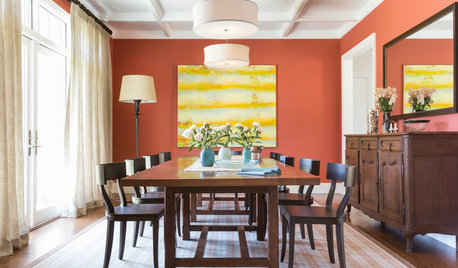
PAINTINGHow to Hire a Painter to Do Your Interiors
Here’s what to know about hiring a painting contractor and what to expect during the job
Full Story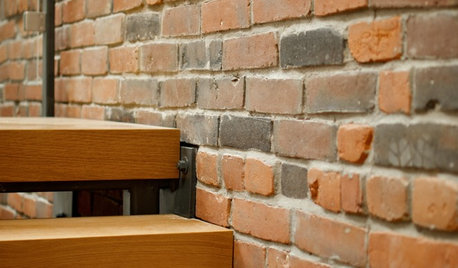
BRICKGreat Materials: Common Brick Stacks Up Style
So basic and yet so incredibly versatile, bricks can dress home exteriors, walls, roofs and more. Here's how to bring out their best
Full Story
Debbie Downer
Sigrid
Related Professionals
Daytona Beach Home Remodeling · McComb Home Remodeling · Newark Home Remodeling · Montréal Home Remodeling · Elizabeth City General Contractors · San Antonio General Contractors · Minot General Contractors · Middlesboro Bathroom Remodelers · Hagerstown Bathroom Remodelers · Sacramento Bathroom Remodelers · Huntsville Home Remodeling · Worcester Home Remodeling · Tucson Home Remodeling · Zanesville Kitchen & Bathroom Designers · Norfolk Kitchen & Bathroom DesignersDebbie Downer
kats737