

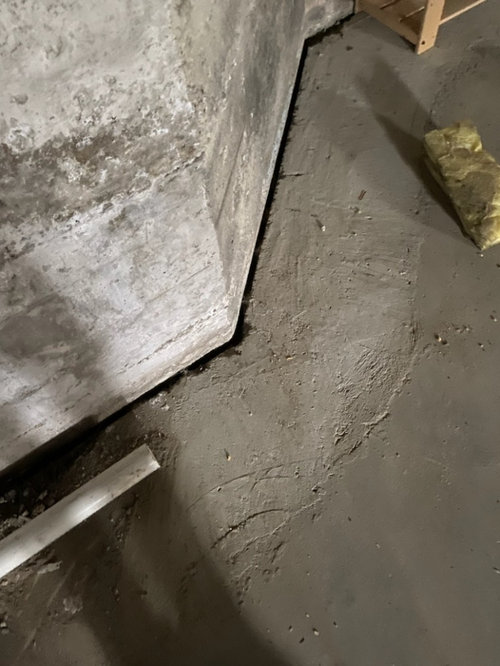
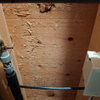
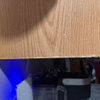
Should I cover up the gap in the basement where there is French Drain?
4 years ago
last modified: 4 years ago
Featured Answer
Sort by:Oldest
Comments (7)
Related Professionals
Yuma Home Remodeling · Alexandria General Contractors · Leamington General Contractors · Selma Architects & Building Designers · Fort Myers Architects & Building Designers · Sheboygan Architects & Building Designers · Kissimmee Design-Build Firms · La Grande Design-Build Firms · Calgary Design-Build Firms · Murfreesboro Home Builders · Erie Home Builders · Redding Home Builders · Coldwater General Contractors · Idaho Falls Interior Designers & Decorators · Sarasota Cabinets & Cabinetry



Related Stories
HOMES AROUND THE WORLDA French Farm Gets Fixed Up for a Family of 14
Nineteenth-century farm buildings become a comfortable, bright and modern vacation getaway for a multigenerational group
Full Story
LAUNDRY ROOMSWhere Can I Hide My Laundry Area?
It’s a case of now you see it, now you don’t with these 10 clever ways of fitting in a laundry zone
Full Story
REMODELING GUIDESWhere to Splurge, Where to Save in Your Remodel
Learn how to balance your budget and set priorities to get the home features you want with the least compromise
Full Story
FUN HOUZZEverything I Need to Know About Decorating I Learned from Downton Abbey
Mind your manors with these 10 decorating tips from the PBS series, returning on January 5
Full Story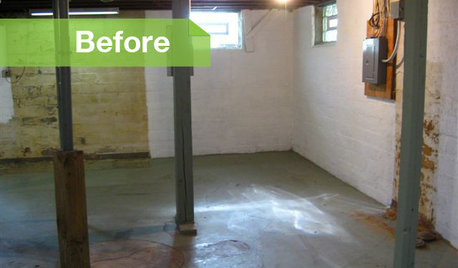
BASEMENTSBasement of the Week: Modern Style Converts an Empty Concrete Box
From raw wasteland to fab living, sleeping and storage space, this snazzy basement now covers all the angles
Full Story
THE HARDWORKING HOMEWhere to Put the Laundry Room
The Hardworking Home: We weigh the pros and cons of washing your clothes in the basement, kitchen, bathroom and more
Full Story
LIVING ROOMSBelow My Houzz: An Inviting Basement With Industrial Edge
Reconfiguring a cramped, damp basement opens up a new world of sleek, functional spaces
Full Story
GARDENING GUIDESLow-Maintenance Ground Covers to Go With Your Pavers
These 8 plants will fill the spots between steppingstones, gaps in flagstone patios and other garden nooks and crannies
Full Story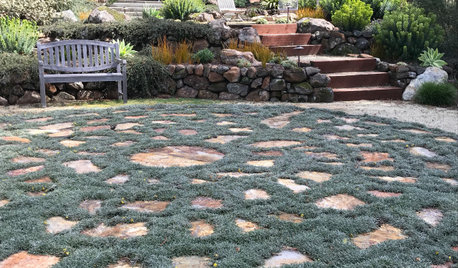
LANDSCAPE DESIGNSo Long, Lawn: 6 Walkable Ground Covers to Consider
These trample-proof, low-water plants can lower your water bill while greening up your garden
Full Story
BEDROOMSRoom of the Day: French Wall Mural Dazzles in a Chic Bedroom
Eliminating an unused door freed up wall space for a stunning re-creation of an 18th-century French portrait
Full Story

cat_ky