Software
Houzz Logo Print
nico_nico5

picnic table area / tick control

4 years ago

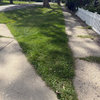
Hello, I live in connecticut where there are a lot of ticks. We have a generally un-landscaped wooded property but ive made a little clearing where we have a picnic table and am wondering if there is good solution to keep ticks away. The most consistent solution Ive heard is playground mulch or wood chips but its kind of bright colored and Im looking for something that blends more with the surroundings. Someone told me to try peet mulch.. but i've heard conflicting opinions.


Anyone have any suggestions? thanks!

Comments (20)

  • 4 years ago
    last modified: 4 years ago

    Keep the area mowed. Use permethrin spray on your clothing, boots, socks, jackets, etc.

    What a timely question, just listened to this:

    https://awaytogarden.com/tick-research-update-and-self-care-tips-with-dr-felicia-keesing/

    https://www.npr.org/sections/health-shots/2018/07/09/625459326/to-repel-ticks-try-spraying-your-clothes-with-a-pesticide-derived-from-mums

    The DNR and military use Insect Shield clothing. You can also send in your own to be treated for a lifetime of protection (lifetime of the clothing that is). I would do this for the adult clothing--kids I would just spray every month (depending on how many times it's been worn and washed in that month).

    This is what I use for my family--never a tick even when camping in tick country.

    https://www.sawyer.com/products/permethrin-fabric-treatment


    More resources:

    https://www.consumerreports.org/pest-control/tickproof-your-yard-without-spraying-a2432924927/


    A tick drag would be useful...

  • 4 years ago

    Woodchips don’t need to be bright if you get undyed. And they weather quickly to earth colours anyway.

  • PRO
    4 years ago

    Tick drags help. If you can get some dry ice, tick traps work: https://redlineguiding.com/2017/05/how-to-make-a-tick-trap/

    I also use permethrin. I pick up concentrate (13.3%) from the feed store. I use it full strength on a swab to swipe over my shoes, hats, gloves. I dilute it according to directions or more as I need to for other uses. I spray clothes, outdoor eating areas, and sometimes outbuildings if I need to. I'm very cautious about when and where I spray- it's highly toxic to our friendly bugs and pollinators as much as the bad guys like ticks.

  • 4 years ago

    Ticks hate hot and dry. I would do a ring of dark stone around the picnic area. For me mulch stays wet too long after a rain. Keep the grass cut. Tick tubes work well also. I don't bother with the tube part anymore. I just spray the permethrin dyed with green food coloring on the cotton ball and place them all around the edge of the woods. Another thing I do is shower with only Irish Spring spring to fall. I don't know really if it works or just lucky , but I haven't got a tick since I started using it. I know articles say ticks don't drop from trees, but in PA they sure do. Keep the tree limbs from overhanging the picnic area.

  • 4 years ago

    I don’t have any suggestions, but really want to see the suggestions. We just moved to the country and it feels like all I have to do is walk towards my woods line and a blasted tick jumps onto me!

  • 4 years ago

    As said above the first line of defense in a mowed lawn, and a good insect spray for you cloths. In the summer I never go into the "wilder" parts of our yard without insect spray


    In addition I would spread something like

    Spectracide Triazicide For Lawns Granules 20-lb Insect Killer

    It cost about $14US at Lowes for enough to cover 25000 sqft.


    on the picnic area and a buffer zone around the picnic area. The product above controls many different insect that crawl on and are in the ground.


    I use it for ant control in the yard. So I only treat specific areas around my shed and in the flower beds. I can not say I have no insects, but they are significantly better that when we moved here.


    Even with the Spectracide, we have a health bird and butterflies population. We several gardens with bird bath and and bird feeder.

  • 4 years ago

    (As a beekeeper and birder, I am beyond horrified to hear about permethrin soaked cotton balls left in the open or spectracide used as a preventative measure.)


    Anna has some much safer recommendations in her post.

    I mostly rely on a nightly tick check.


  • 4 years ago

    The permethrin soaked cotton gets taken to nests of small rodents and so reduces the overall tick population. Having it in a plastic cup on its side with the bottom removed to create a tube or putting it in a cardboard tube if in a dry spot such as under the porch would be safer than leaving it loose.

    Since ticks are not insects (they are arachnids) putting out insecticide is useless to control them and can cause other issues to pets, people, and pollinators.

    You can do your best to reduce tick habitat by keeping a mowed area and perhaps putting down landscape cloth covered by gravel around the picnic table as well as being careful about wearing clothing that has been treated with a substance known to affect ticks, but realistically, get in the habit of doing a thorough tick check on pets and people every time you enter the house. Change out clothing and wash them immediately. Every evening I remove clothing in the bathroom that has the laundry, do another very thorough tick check, not forgetting hair, ears, bellybutton, between toes if you wore sandals or were barefoot, etc., and also check the pup. Strict vigilance every time I come inside and every evening is key.

  • 4 years ago

    What you need is a tick magnet.

  • 4 years ago
    last modified: 4 years ago

    @toxcrusadr, you need to explain or add a link. As written that ^ makes no sense.

  • 4 years ago

    Permethrin is not toxic to birds, mice, chipmunks. The cotton balls are placed in the edge of the woods in the underbrush for the mice or chipmunks to take for bedding. A place when honey bees don't go. If it by chance kills some yellow jackets in the ground , great. I have been using it for years and I've had zero problems with my vegs or gourds being cross pollinated.

    PA is number 1 for lymes dz. The source of the dz is rodents, not the ticks themselves. Ticks are the transmission of the dz. Lyme disease if not caught right away is debilitating and deadly. My neighbor just died of lymes last month. I've just read an article of a middle age man in New England die in a nursing home from lymes. My 20ish nephew coded twice in an ambulance. My ex SIL was in ICU and on IV antibiotics daily for a month. My hubby has multiple problems from chronic lymes. One of them is cognitive impairment and he will never gain it back. Hopefully it doesn't progress.

    So sorry, but I'm for people first over bugs. Yes, body checks are useful, but can you see every square inch of your body? I sure can't.


  • 4 years ago
    last modified: 4 years ago

    Permethrin is toxic to cats and fish, and should be used with some care. It can be used thoughtfully to reduce the likelyhood of exposure of nontargets which is why I suggested actually using it in tubes rather than out in the open. Here is a fact sheet from a .edu website.

    http://npic.orst.edu/factsheets/PermGen.html

    “but can you see every square inch of your body?” I use a combo of mirrors and touch, so yes I can carefully check all of me in detail in less than 5 minutes. I spend several hours outside daily in my yard and in the woods, and the combo of appropriate clothing and careful checks has kept me healthy for the last 25 years. I live on more than 100 acres and so cannot treat all of that. A multipronged approach works best.

  • 4 years ago

    You can also take a video of the body parts you can't see, says a person who doesn't exactly understand how The Cloud works.


    The permethrin should be placed in tubes---as is always advised.

    There used to be a vaccine to prevent Lyme Disease, but people didn't take to it.


  • 4 years ago

    I have not used this product but it seems like a great solution. I would try it before I went to something more toxic.

  • 4 years ago

    There has been a difference of opinion about permethrin.". This is from the of from Control Solutions Inc. Their product is has 23%


    There are several sources for toxicity information on permethrin. Search "msds permethrin". This is from the of from Control Solutions Inc. Their product is has 23% permethrin.


    In all of the sheet I looked at the lethal data is in the grams per kilogram range. So if you are washing yourself or you pet with permethrin you have a problem. If you are putting it in a sprayer, or spreading From the MSDS sheets there is as much danger for the solvents that contains the permethrn as the permethrin itself


    Section 9 – Physical Data

    Odor: Mild (cocoate) Melting Point: N/A Physical State: Liquid.

    Flash Point: Will not flash. Color: Off-white, viscous liquid.

    Bulk Density: 1.06 g/ml @ 20 C pH: 6.1

    Water Solubility: Disperses in water.

    Last Updated: October 10, 2011

    Section 10 – Toxicity

    EPA Toxicity Category:

    Signal word “Caution” required.

    Oral LD50 (a.i.): >5000 mg/kg

    Skin Contact: Minimally irritating

    Dermal LD50: >20,000 mg/kg

    Eye Contact: No irritation

    Inhalation LC50: >20 mg/L

    Section 11 – Ecological Data (Information on Permethrin)

    Aquatic:

    Permethrin: LC50 (96h) for rainbow trout: 2.5 ug/L

    Permethrin: LC50 (96h) for Bluegill: 1.8 ug/L

    Avian

    LD50 Bobwhite quail- >10,000 mg/kg

    Bioaccumulation:

    Unlikely to bioaccumulate due to high acute toxicity.

    Summary:

    This product is extremely toxic to fish. Do not apply directly to water. Drifts and runoff from treated areas may be hazardous to aquatic organisms in treated areas

  • 4 years ago

    That's an interesting link. Despite their claims, it IS harmful to bees if the spray makes direct contact with them. Bees have an exoskeleton through which they breathe via spiracles. It's the reason coating them with an oily substance- or really anything that would occlude the spiracles and be difficult for her hive mates to clean off-- would kill her/him. This is why soapy water kills them as well.


    If spraying ANYTHING, it needs to be sprayed in the dark when many of the beneficial pollinators are in for the night. This of course does not include the various moths that pollinate in the evening.


    The concern is the random spraying people do over all of their flowers, bird baths, etc. They go out to spray when it's convenient for THEM not the other gazillion creatures living in their yard--so overspray onto beneficials is certain. So what of this "all natural essential oil"? When it's in the water and a bird drinks from it or a butterfly or a bumblebee, hover fly, a paperwasp? What happens? They have no information on their website except to say it's safe because it's all natural. Cyanide and digoxin are all natural too.


    This is not meant to be an attack on the company or the poster who shared the info but people in general need to look beyond the shallow claims made by so many companies. Everyone needs to be a discerning consumer, it's our responsibility.

  • 4 years ago
    last modified: 4 years ago

    Permethrin is the synthetic form for pyrethrin which is made from chrysanthemum flowers. Permethrin has a longer half-life in the environment (up to a couple of months in ideal conditions I believe.) It is toxic to cats and fish when wet--follow the directions.

    I have two cats and spray our clothing outside on a nice calm, sunny day and then hang them out to dry. Once the clothing comes inside, it's dry, no issues with the cats.

    "So if you are washing yourself or you pet with permethrin you have a problem."

    I hope no one is bathing themselves or their pets with 23% permethrin. Where did you even come up with that idea? No one said anything about such a thing.


    And in case you're wondering, the permethrin percentage in the Sawyer Permethrin spray is .5%. Yes, POINT FIVE percent.

  • 4 years ago
    last modified: 4 years ago

    It would be nearly impossible to grow the natural material in a volume required to extract the amount required by the commercial sales of the product. So many "natural" chemicals are synthesized as part of the production process

    https://pubs.acs.org/doi/abs/10.1021/acs.joc.9b02767

    Many years ago I worked in a company that made Ascorbic acid (Vitamin C). When I would take people on a tour of the plant one of he questions was: "Where is the oranges?" Ascorbic Acid, Thiamine (Vitamim B), and many other chemicals that are occur in nature are synthesized for the commercial product. These simple molecules are identical to the natural product.

    Many chemicals get characterized as "bad". Most are "bad" only in certain conditions. Cyanide is an example. at one level it will kill you at lower levels you will not know you have taken it. Cyanide is present in the seeds of some fruits you eat. Many people eat the seeds unaware they are taking Cyanide.

    Some are "bad" at the micro gram/kilogram level, others at the g/kg level, YOU MUST READ THE INSTRUCTION and MSDS sheet to understand the potential of the chemical (Product) you are using.

  • 4 years ago
    last modified: 4 years ago

    You're right about that krnuttle. Some industries perpetuate the idea that natural is better than synthetic. This summer Starbucks has a new line of energy drinks that their commercials say this about: "Less sugar and will 160 mg of caffeine derived from coffee fruit...it's energy that's good!" As though caffeine extracted from 'coffee fruit' is somehow more natural and better because it comes from 'fruit'. Really it's just the waste product from making decaf coffee. It's no wonder people are mixed up. They're (mostly) not scientists and they are fed a constant load of marketing manure.


    None of which is meant to reflect on the permethrin discussion one way or the other. Just saying.