Software
Houzz Logo Print
webuser_66864937

Naturalized Conifers

4 years ago
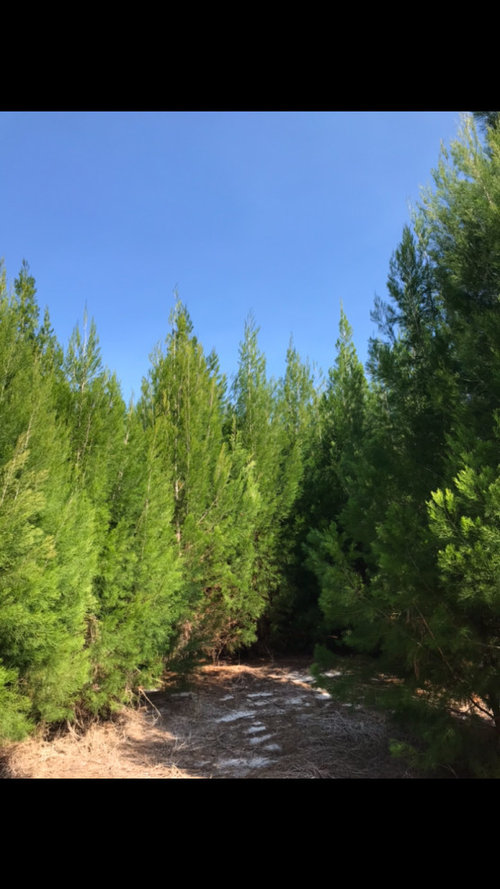
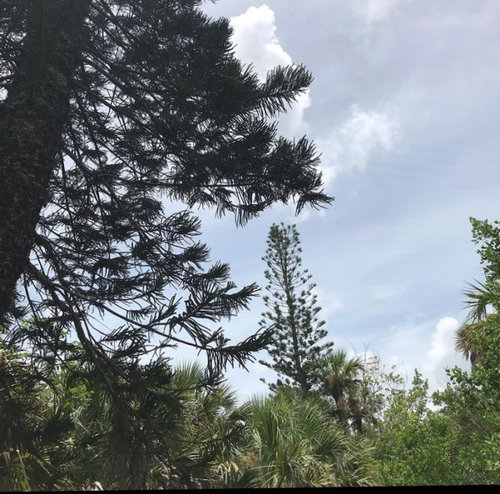
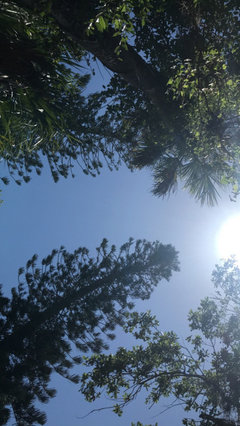
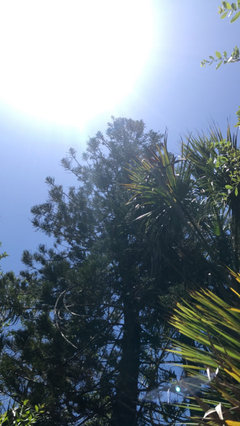
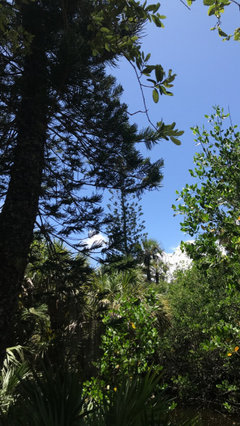
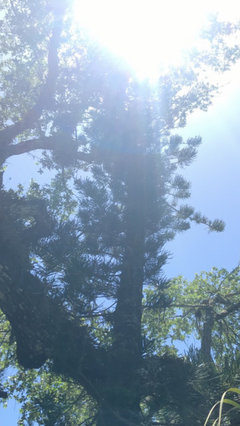
Here are some naturalized conifers growing in central florida


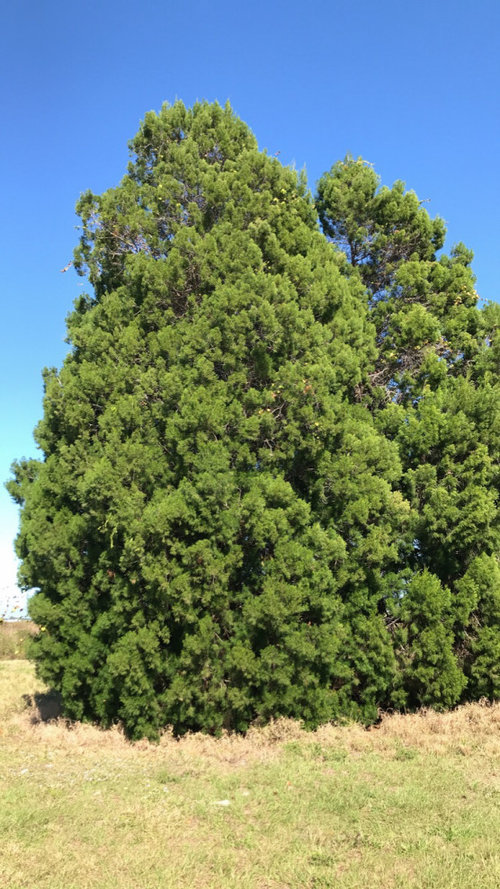
First we have Callitris Columnaris.


Here is a whole small forest of them

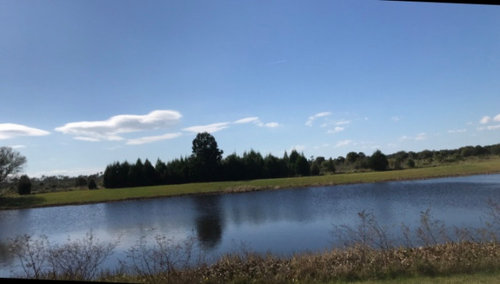
View from across a lake


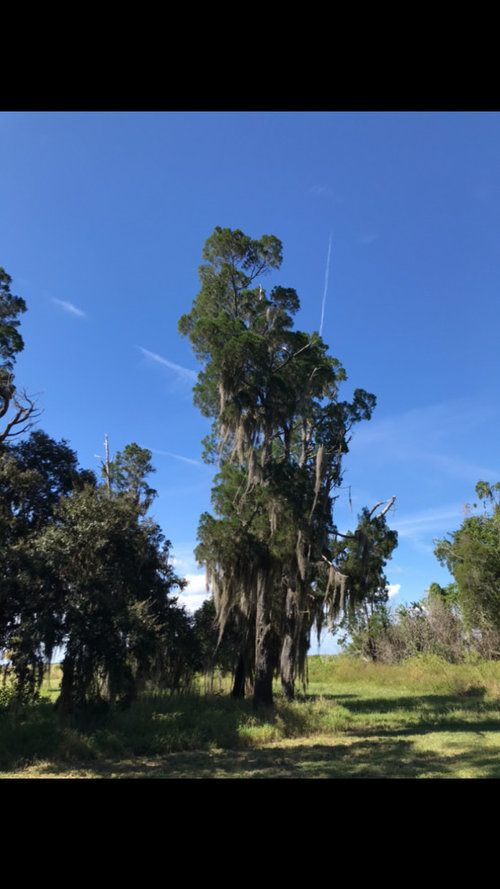
older speciments that where probably planted long ago


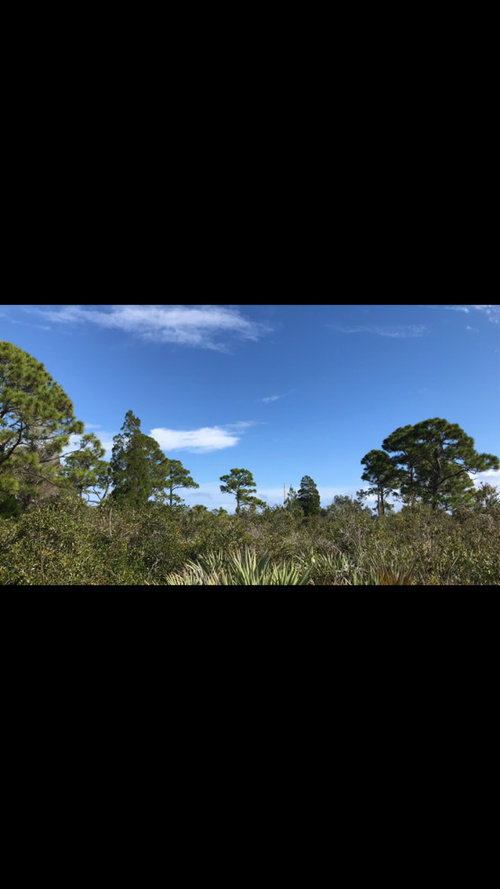
its quite an adaptiable species here are some growing in a scrub habitat


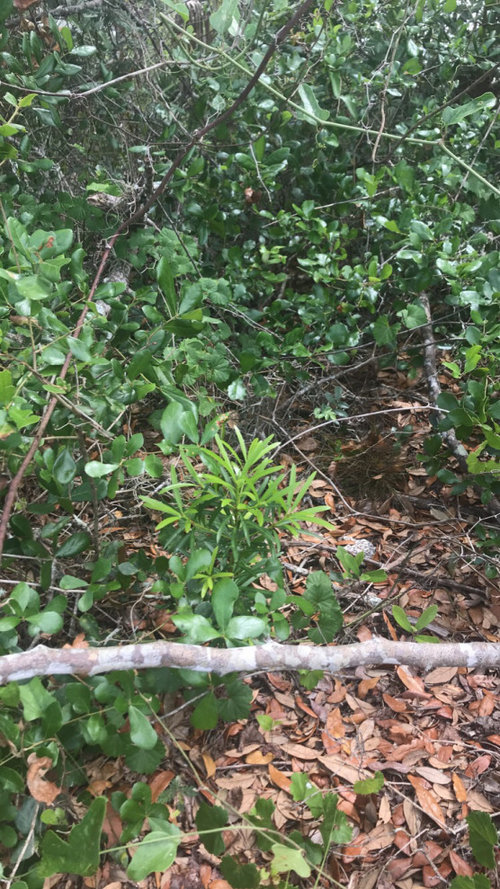
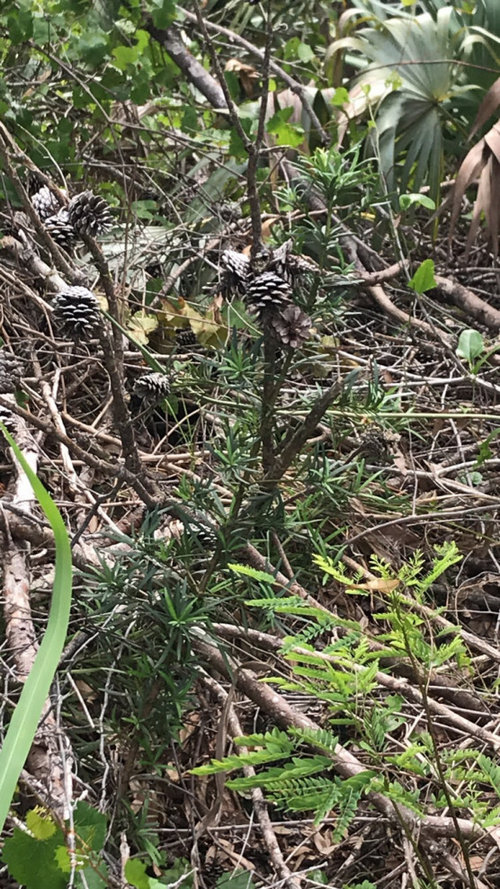
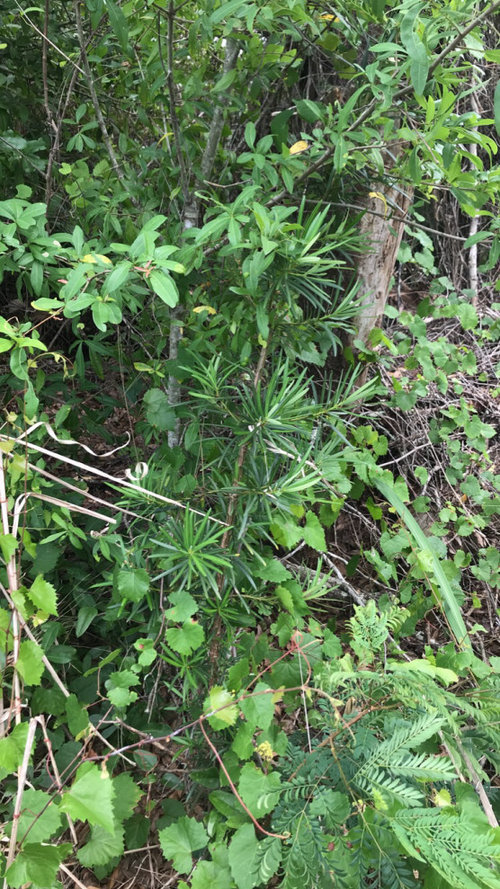
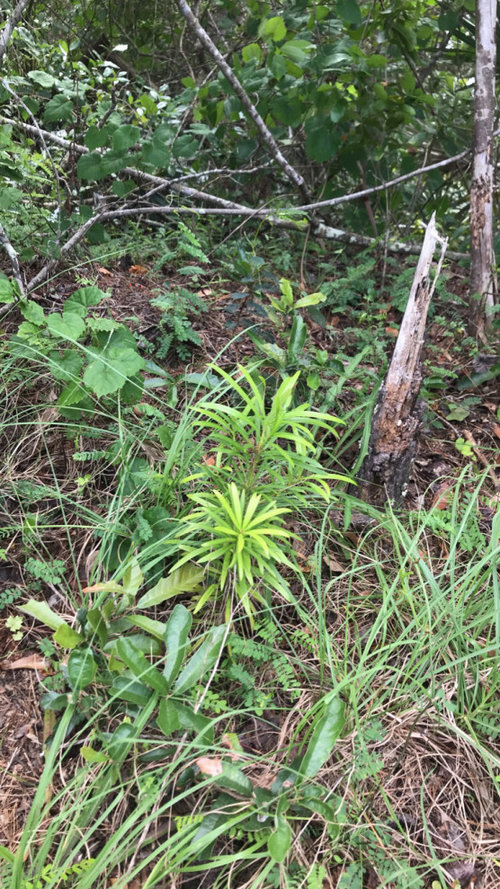
Next is podocarpus macrophyllus


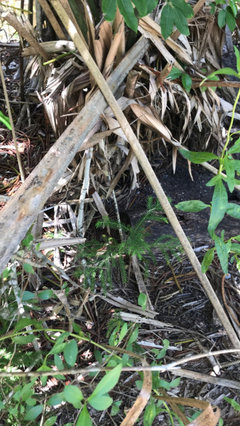
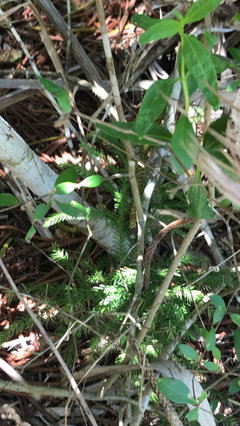
several small speciments are coming up in a sand pine scrub. No adult podocarpus seem present.


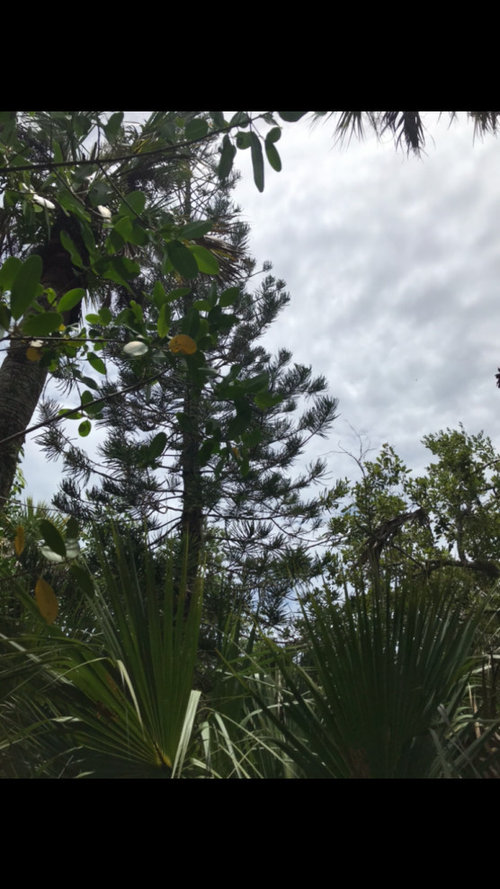
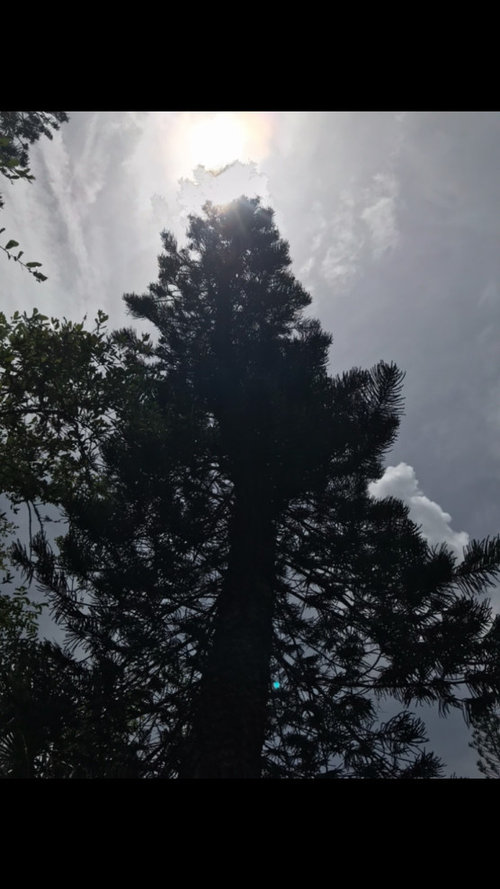
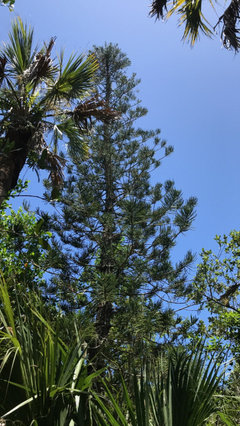
Next is araucaria columnaris growing in a coastal hammock habitat with rich muck soil. Several small self seeded cook-pine are also present, couldnt document those very well because the bugs are relentless in that area.


thats all I know of the truly exotic conifers in my area, im curious as to what kind of conifers are naturalized in other areas of the country/world. When I lived in the midwest the only naturalized conifers I knew of was scots pine and norway spruce and neither was very common in the wild.

Comments (24)

  • 4 years ago

    Where in central FL is this? I live NE of Orlando and have not seen any of the species mentioned naturalizing, although they are present in the planted landscape.

  • 4 years ago
    last modified: 4 years ago

    Thanks, interesting. Alittle surprised seeing araucaria growing wild, as these are typically tropical. A severe cold spell in central FL might kill them. Loblolly pine is not native here in west MD, but I very occasionally see a few young ones growing beside some plantings of them. Also as you say I see a few Scots pine and Norway spruce volunteers in similar settings.

  • 4 years ago

    Here in Pennsylvania I have seen Norway spruce reseed and grow into new trees. However they never stray far from the parent plants and seem to form colonies.

  • 4 years ago

    Kenns, all of these are in south brevard county and north indian river county, and all in relatively close proximity to the coast if I recall correctly. Which may explain why they dont naturalize in orlando.

  • 4 years ago

    Larry, while florida certainly has a invasive species problem I honestly wouldnt consider any of these Conifers invasive none of them are really taking over, the Callitris comes closest to being invasive but that large colony is growing in a area that was clear cut long ago.


    Regarding the araucarias growing wild I believe that the area they are growing in is a perfect micro climate for them its on a costal barrier island that is a zone 10a climate and has rich muck soil.


    Speaking of loblolly pine its native north of orlando, but of the ones that I have seen planted around here I have yet to see one even self seed, which is strange considering they are native 80 miles north of here.

  • 4 years ago

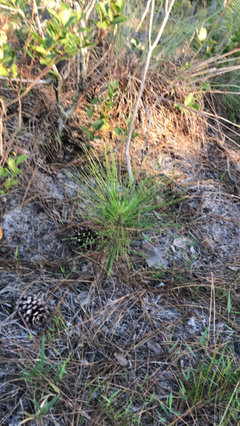
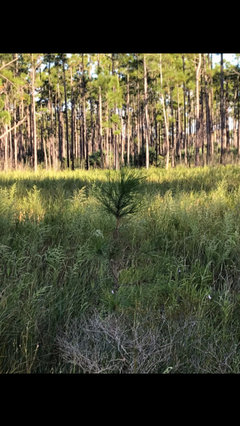
    Not sure if this counts but here is pinus ellottii var ellottii self seeding in the range of pinus ellottii var. densa


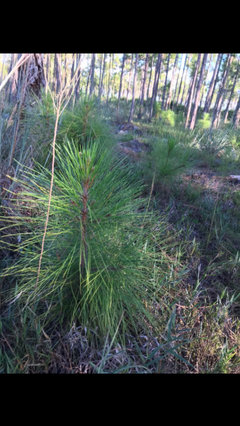
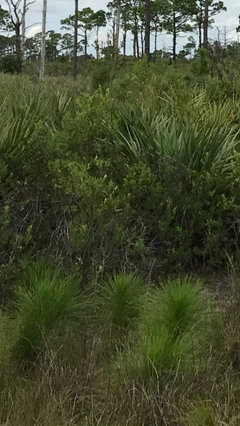
    This last photo for comparisons sake are some var. densa seedlings, as you can see they have a much more pronouced grass stage.


  • 4 years ago

    I recently returned to the site of the naturalized araucaria columnaris and counted atleast 10 adult speciments and a good amount of seedlings coming up.


  • 3 years ago


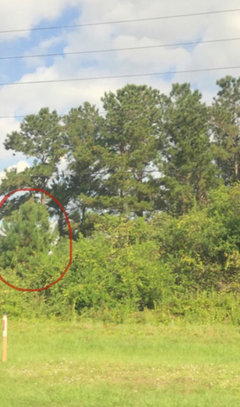
    Here is a single loblolly sapling that self seeded circled here, it is roughy 50 miles south of the end of loblolly pines natural range, There is probably 60 or 70 planted loblollys along this housing/golf course, so recruitment isnt really that great considering they are almost weeds just a bit further north in the species native range. I wonder what the limiting factor is for them.


  • 3 years ago
    last modified: 3 years ago

    Hardy to Zone 9 (cold hardiness limit between -6.6°C and -1.1°C) (Bannister and Neuner 2001). Naturalized in USA: Florida: Brevard, Indian River, Orange, and Seminole counties at 0-10 m elevation, where it occurs in sand pine scrub and thickets (Wunderlin 1993).

    Callitris columellaris (coast cypress pine) description (conifers.org)

  • 3 years ago
    last modified: 3 years ago

    Whats interesting about callitris here is these naturalized populations are pretty much the only place to see them. they are virtually non existent in cultivation aside from a few old home sites.

  • 3 years ago
    last modified: 3 years ago

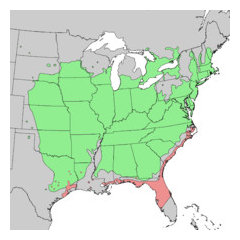
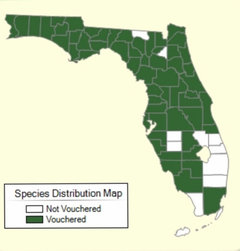
    Juniperus virginiana seems here to be undergoing a range expansion, I live in brevard fl and the end of there range on this coast is roughly in the titusville area (this is also where magnolia grandifloras range ends) but now I have seen first hand alot of them popping up in all sorts of habitats, from south central fl to various scattered locations throughout south florida they are no doubt aided by cultivation, but I ultimately believe this range expansion is caused by fire suppression the same thing that is allowing them to spread so much in the great plains.

    natural range


    counties wild growing juniperus are vouchered in


  • 3 years ago

    Juniperus virginiana is also much further north in Minnesota then what the native range map shows.

    You see them a lot especially along RR and highway ROW's but quite frequently in other areas too.

    Palms And Pines thanked BillMN-z4a
  • 3 years ago

    Yeah range map is definitively wrong. I actually lived in MN for 5 years in wright county and I remember seeing a ton of them in a field behind my house, and letting a volunteer grow to replace a maple that blew over in a storm.

  • 3 years ago
    last modified: 3 years ago

    And I'm quite a bit further north, north of little falls 50 miles.

    I rarely go too far north of my place but iirc: I see them all the way up to Bagley and west. :^)

    eta: I see groves of them between wright county and little falls.

  • 3 years ago

    ' J. virginiana anchors a large species complex. First, it is essentially identical to J. scopulorum.'


    That's interesting Embo. Thanks!

    I've seen J. scopulorum, close up many times over the years and did wonder about the similarity of the two. Of course, in less hospitable country out west, they tend to grow somewhat multi-trunked (low branches growing out & up mostly) and with a scrubbier appearance.


    I always learn something when I read your posts. :-)


  • 3 years ago

    I thought I remembered seeing juniperus in duluth but in hindsight those were probably thuja.


    As to the species complex I think juniperus virginiana var. silicicola could easily be considered a species as some have suggested, especially if Juniperus scopulorum is still recognized as a valid taxa. Otherwise scopulorum should probably be lumped into virginana.

  • 3 years ago

    PAP,

    You were most likely correct when you thought J.v. in Duluth.

    Herbarium records show it as far north as Thief River Falls MN.

    We always considered that area 'The end of the world'. haha.

    (I'll quit hi-jacking your thread now). ;-)


  • 3 years ago

    Yeah to be honest I didnt go north that much I always kick myself though for never having gone to voyageurs national park as I have been to many of the national parks but yet somehow didnt make it there when I lived there.


    Anyway back on topic I would actually consider all this juniper talk relevant to the subject of naturalized conifers, because there is the question of if these populations (further north and south then the traditional range maps show) are truly native in the sense of being in these areas before europeans arrived on the continent or if these are natural expansions ( benifiting from agriculture, logging etc) and if that consitutes naturalizing.

  • 3 years ago

    I would think, that if a plant is native to a given area, and the native area expands, it couldn't be considered naturalizing when it is already native to nearby connected areas. Besides, isn't naturalizing when a non-native plant is introduced from somewhere else, and it establishes itself, grows and spreads, as though it was a native plant?

    This would be especially true in this case where the species are so closely related over the entire area involved, I would think.

  • 3 years ago

    Thats what I would think but when it comes to fauna, the coyote, the armadillo moving east and I know here in florida the red fox moving south and others are considered naturalized, despite all moving naturally. Im not sure exactly sure how that translates to flora.

  • 3 years ago

    You have a valid point. And I really don't know myself, that's why I worded it as more of a question.

    Hopefully someone in the know will come along and shed some more light on this subject. ;-)