Software
Houzz Logo Print
webuser_928827909

black eyed Susan

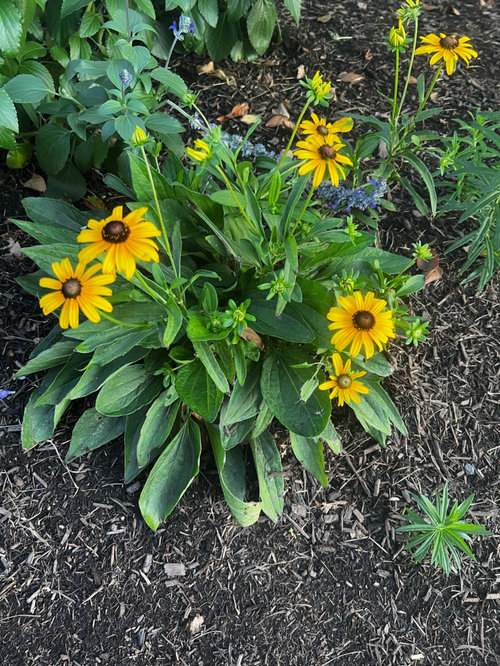
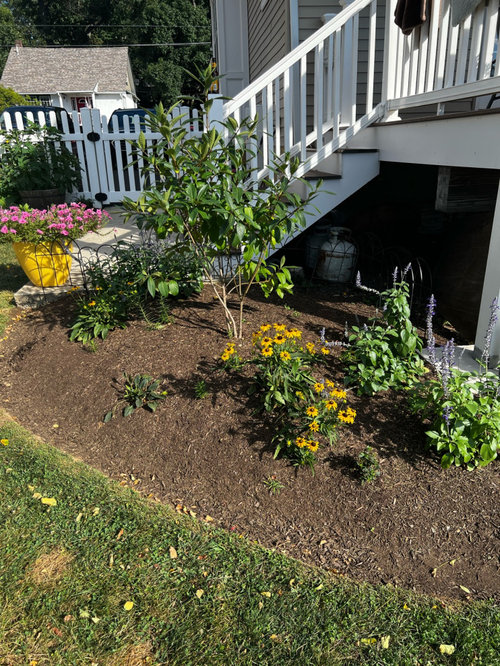
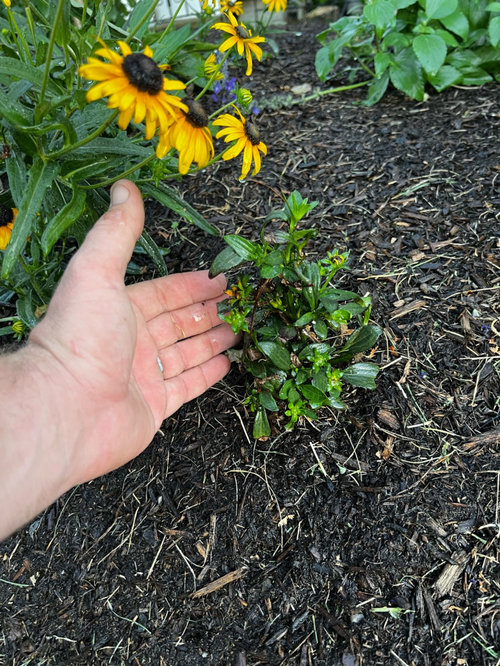
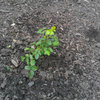
I recently planted some little gold star and viettes little Suzy. The viettes are doing great! The one little gold star is green and firm in the soil if I give it a tug. It’s has grown or bloomed in the couple months it’s been lol ( my hand is next to it in picture for reference. The other one is growing but the rabbits keep beating it down. Does anyone have experience with these varieties ? If they reseed will they revert to straight species ? I have read some people lose them over winter and I’d like to avoid that. I am in zone 7a Philadelphia.

Comments (17)

  • 4 years ago

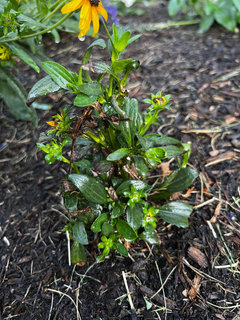
    Closer pic of little gold star

  • 4 years ago

    Both are cultivars of Rudbeckia fulgida and should be fully perennial in your zone. The only thing that may prevent that is poor drainage or excessively wet soils over winter. Rudbeckia hirta is the species that is iffy about returning, sometimes acting as an annual/biennial and sometimes as a short lived perennial.

    IME, R. fulgida does not reseed freely (R. hirta does) but it does expand its territory by rhizomes.

    The bunnies did a serious number on that one plant! 😑

  • 4 years ago

    Thanks garden gal! It’s my first year planting stuff that may not come back with excessively wet soils over winter. They are in a sloped bed. I did not amended soils with gravel or sand to help with drainage so it will be some trial and error ! Thanks for the info !

  • 4 years ago

    Rudbeckia fulgida is extremely cold tolerant....winter hardy to zone 3 (-30F)!! The only reason they would not return in a zone 7 is if they were exposed to excessively wet soils in winter.

  • 4 years ago

    The point is that just cold weather in winter is NOT the reason they did not return, as your post clearly implied. You can justify their non-return any way you like - wet soil, adverse growing conditions, poor plant husbandry, etc. - but you cannot blame it on merely cold temperatures.


    Winter cold tolerance is the entire reason they have USDA hardiness zones. If a plant is rated to a specific zone, it can be expected to survive a typical winter in that zone, all other growing conditions being equal. That's just Basic Horticulture 101!

  • 4 years ago

    Not wrong. Read c a r e f u l l y. You said "Rudbeckia are certainly sensitive to exceedingly cold winters. Also 7a in NJ and have had them fail to respout during harsh winters."

    If that is not a clear indication that you have attributed their failure to "respout" due to cold temperatures, I don't know what is.

  • 4 years ago

    Intheweeds, the Rudbeckia fulgida types appear more exacting of their requirements, even after winters of good snow cover, these have struggled terribly and succumb for me ... though yes, I'm definitely on the lower end of growing zones, I otherwise do not lack for yellow in the landscape!

  • 4 years ago

    Wow, I am just amazed at the way Jorden & gardengal go at each other. Gardengal, I consider you to be one of the most knowledgable people on the forum and always am glad when you answer one of my posts. Maybe, don’t let jorden get under your skin so much……as you suggest, best to ignore his posts??? Just a suggestion.

    debra 🤨

  • 4 years ago

    The bunnies did a serious number on that one plant!


    I have had rabbits "mow down" our rudbeckia "Little Goldstar"...mostly the flower buds....for sure a bit frustrating.

  • 4 years ago
    last modified: 4 years ago

    My experiences indicates a lack of success with the use of repellants . I have used "well regarded" repellent in spray form from early spring onwards with little success. (And no help in protecting Japanese Maples through the winter, using the product as directed).

  • 4 years ago

    bobbex and plantskydd

  • 4 years ago
    last modified: 4 years ago

    I learned the hard way to winter protect my maples using chicken wire or tenting.


    Hmm...R product? Bobbex has different repellent formulas (but for the same critters)?

  • 4 years ago

    Thanks.... I will search it out.

  • 4 years ago
    last modified: 4 years ago

    Black eyed susan don't live long in my Maryland zone 7a garden. I usually get a few years, but I don't think I've ever had one survive past say 5 years. Don't know why. They're very easy to grow from seed, so if I want one, I just grow one from seed in the spring. Before I get blasted for having a brown thumb, I plant them among similar perennials like purple coneflower and the other perennials in the exact same environment live a lot longer.

    I have rabbits in my yard and I don't think they've ever eaten one. They seem to like my lawn weeds a lot more.

  • 4 years ago
    last modified: 4 years ago

    Kidhorn: it could depend on which species you're talking about. As often cited on these boards, this is one of the problems with using common/colloquial names: there are several species of Rudbeckia commonly called "Black -eyed Susan". R. fulgida, R. hirta, and R. triloba are the most common ones, but each has different habits. As already described above, some are longer-lived (R. fulgida for example), while others (R. hirta and R. triloba) can act more like biennials or even annuals in some cases.

  • 4 years ago

    @frozebud those flowers are beautiful ! Thanks for the input everyone. I will have to update this post after winter with hopefully good news. The rabbits are the only enemy for my flowers in my suburban yard. The chipmunks were a hassle with my first year strawberries but I will outsmart them next year. I’ve been adding lots of native plants for insect value so I avoid spraying my plants. I’ll let the rabbits enjoy some of the flowers.

Sponsored
Wannemacher Interiors
Average rating: 5 out of 5 stars26 Reviews
Customized Award-Winning Interior Design Solutions in Franklin Cnty OH