Software
Houzz Logo Print
zrmd

Newly Refinished Wood Floors - Is this okay?

3 years ago
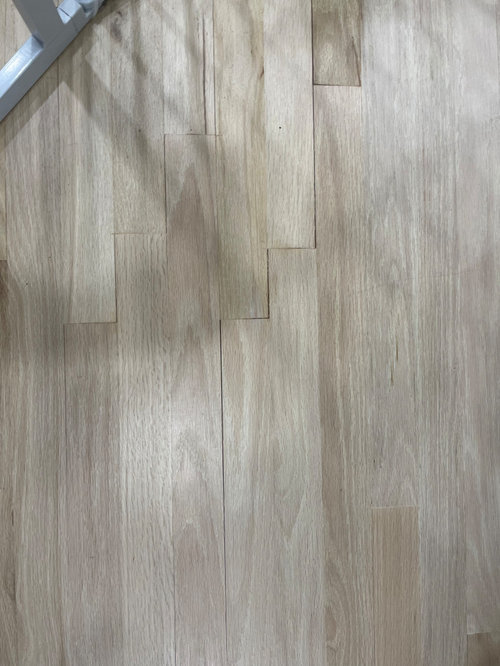
We’ve just wrapped up a full home remodel, which included removing some walls and installing LVL beams, new kitchen, bathrooms, paint, lighting, some windows, refinishing floors and more.


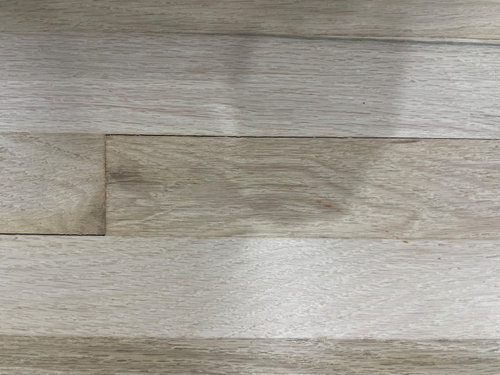
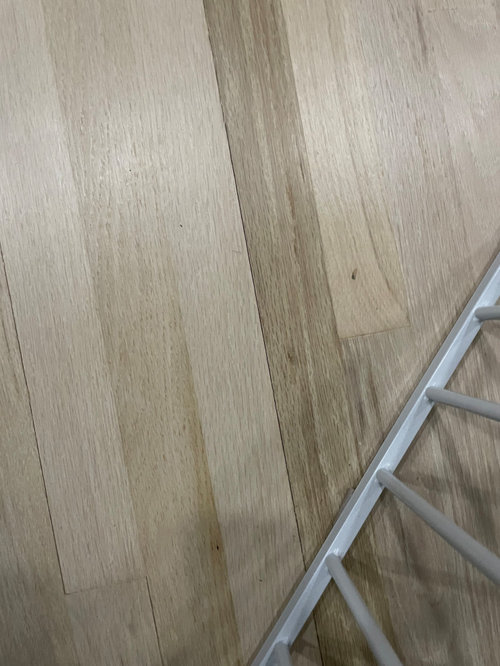
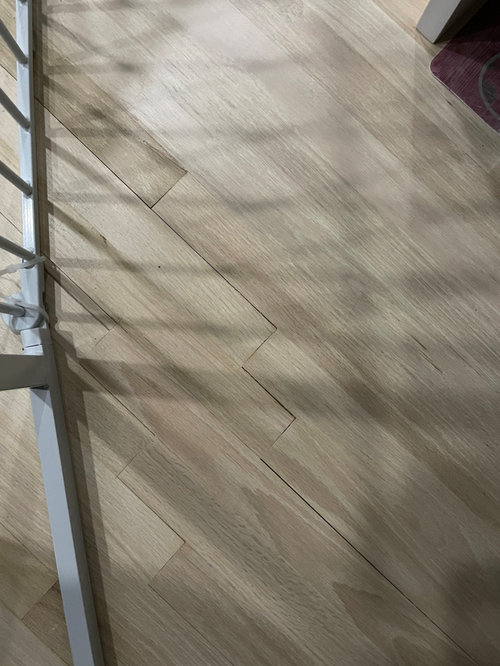
For our floors, we hired someone to professionally refinish them + install new flooring where there were walls and previously no wood floors. In certain areas, we’re noticing large seams begin to open/reveal themselves. This appears to be a problem, because if any water were to spill into the seam, it would cause more problems.


Should the flooring folks come back to fix this and if so, how?


Comments (14)

  • PRO
    3 years ago

    Humidity is dropping during this time. Check your humidity level first. If, it is between 30-55%, humidity is acceptable. The question is then, What was humidity at installation and was it maintained throughout project before handing the house over to you?

  • PRO
    3 years ago

    G & S Floor Service , is on point with their answer. I would suggest reading an article on flooring acclimation. If thats not done correctly things like this may happen. That being said all wood flooring is going to shrink a little bit during the winter time when humidity levels drop.

  • 3 years ago
    last modified: 3 years ago

    @Oak & Broad / @g I’m unsure what the humidity level was, but it was much higher during install compared to now (August vs. November in DC/MD), however, the floors did sit in the house to acclimate for more than a couple of weeks due to some project delays.

    Should we do anything, given this wasn’t done long ago? If there is something that needs to be done due to poor workmanship, waiting until summer would most likely be too far our from when the work was done for the installers to do anything.

  • 3 years ago

    The entity that patched and refinished your floor has no control over the expansion and contraction of your new or existing wood. It would be smart to have a thermo hygrometer to determine how the relative humidity is tracking and determine whether you need systems to add or remove moisture to keep the wood from moving excessively.

    The gaps resultant from shrinkage can be filled with a precolored putty.

    What color was the floor before refinishing?

  • 3 years ago

    It was red oak, which we had bleached and then used 2 coats nordic seal, then 4 coats traffic HD.

  • 3 years ago

    @User - spoke to A LOT of professionals before doing this and they said it was okay, this is something they’ve done many times with no problems.

  • PRO
    3 years ago

    Wood floors are subject to seasonal movement as are the framing materials which support them. If you're observing more and/or wider gaps than you did in past fall/winter seasons, I think it's reasonable to attribute that to the bleaching and refinishing. If you want to minimize gaps in winter, you'll need to control the relative humidity. The NWFMA suggests 30% to 50% relative humidity. I think you'll want to maintain relative humidity in the upper half of that range for comfort considerations.

  • PRO
    3 years ago

    "this is something they’ve done many times with no problems."


    How many times have I heard that in my 35 years?


    Could also be a mass milled cheaper product the installers had to beat together. Now it's drying with the seasonal change and rearing it's ugly head and could get worse. Leave it alone for now. Tell us what it looks like in the dead of winter.


  • 3 years ago
    last modified: 3 years ago

    @Uptown Floors - some of those pros are here on Houzz, in fact have already commented on this thread. I just don’t appreciate folks who don’t have actual experience stating an opinion as fact, on a forum where others come to for info. For example, stating that the large amount of bleaching red oak to look like this, when this look is the only outcome that would result from bleaching (you wouldnt get a different variation - and we didn’t do a ”large amount of bleaching”), further demonstrates the lack of actual experience.

    Question - if we wait until summer and do nothing, will it simply work itself out or cause long-term issues if not addressed now?

  • PRO
    3 years ago

    Some anecdotal evidence: I had a failure in a fitting under my dishwasher that resulted in flooding a portion of the hardwood floor around the dishwasher. It caused cupping which settled down after a couple of months, but there were gaps between boards which never closed up. Water is the enemy of wood at least post mortem.

  • 3 years ago

    @User - no, they were not bleached A LOT. Again, if you’re going to state your opinion as fact, please only do it based on actual experience.


    Fact = this is what any red oak floor will look like when bleached at a very minimal level and two coats of nordic seal + 4 coats of traffic HD are also applied.


    Again, other people come to this forum seeking advice and real info and it’s wrong to state an opionion as fact, especially when it’s clear you don’t have any actual experience - because again, if you did, you wouldn't say what you’re saying.

  • PRO
    3 years ago

    Fact. Each and every job will be different. There is no set black and white answer in this business. The majority of problems are often associated with environmental conditions and quality of material which you have not provided. Guesses more like it.


    I like what Timothy mentions..."The gaps resultant from shrinkage can be filled with a precolored putty." Easy peasy answer and factual. Happens more times that you would think.

  • 3 years ago
    last modified: 3 years ago

    @Uptown Floors Non-fact. ”guesses more like it”?

    And happy to provide more info if it helps. I selected a similar answer as top answer.

Sponsored
Custom Home Works
Average rating: 4.6 out of 5 stars10 Reviews
Franklin County's Award-Winning Design, Build and Remodeling Expert