Software
Houzz Logo Print
christopher_cnc

Is It Time To Chop Down The Meadow?

3 years ago
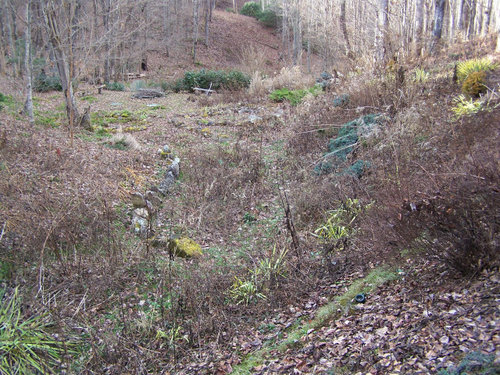
It looks like the forums could use something to ponder.

The native plant people like to tell you not to chop down your end of season dead perennials until the late spring, if at all, cause bugs. Like with most garden advice - that depends. For me that applies over a broad expanse. Some people and some gardens need to be tidier than that over the winter. And some people don't garden for bugs. They prefer the plants.

There is no one size fits all, when or how or if about cutting down the perennials over the winter. It can be done in one fell swoop early or late, or in a slow intimate portrayal of decay. You can pick and choose what gets chopped down. Some plants have better freeze dried winter bone structure than others.

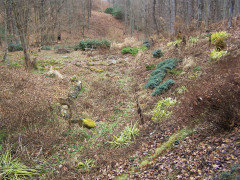
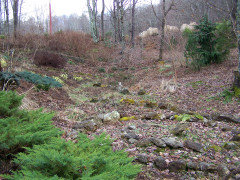
Growing inside this meadow is an evergreen garden planted specifically for winter. The meadow has to get chopped down. But when? I like decay. The slow natural reveal is fun to observe. But winter is here. This part of the garden is the first to get chopped down. I compromise with the native plant - bug theory and do a chop and drop. The bug will be fine lying down.

How do you put your perennials down for the winter?


Comments (23)

  • 3 years ago

    First, I will apologize if I come across confrontational or judgemental. I certainly do not intend to, but I'm at a very low point personally, and just looking for something worthwhile to do with some energy.


    I would challenge your statement "The meadow has to get chopped down." Why? The photo you posted looks to me a perfect situation to allow nature to it's thing. Nature doesn't "chop" unless it's wildlife nibbling, wind blowing, ice breaking, trees falling, etc. Leaving the stems of the plants in place will not prevent them from regrowing next year. So, why invest energy in garden "maintenence" that isn't necessary? Most perennial plants will fall down on their own over winter and the decaying plants provide protection to the soil and conserve moisture and prevent erosion.


    Even if you haven't chosen to garden "for the bugs," the bugs are crucial to the network of life that allow us to survive on this planet. Many also provide pest control to allow your plants to thrive. If they aren't causing you noticeable problems, then there isn't any reason to put their survival at risk by choppingthings down.


    Save yourself some energy and time, and leave the meadow to manage itself.


    Martha

  • 3 years ago
    last modified: 3 years ago

    Because if it is not chopped down, it will end up being a thicket of trash trees and no perennials .

    Christopher CNC , I would chop and drop as you can.

  • 3 years ago

    The previous poster may have missed this comment: " Growing inside this meadow is an evergreen garden planted specifically for winter. " There is a difference between a wild or natural meadow and a cultivated garden planned and intended to have specific seasonal interest and in those cases, some compromise is expected. And often needed!

    I often do not "clean up my garden" for winter but then my garden tends to focus on trees, shrubs and mostly evergreen perennials so any 'clean up' necessary is minimal to begin with. While not planned specifically for winter interest, it offers it anyway. And since there is such minor emphasis on herbaceous or deciduous plants, their presence does not detract from the winter interest in the same manner a concentration of herbaceous plants - Chris's 'meadow' - would. If I were gardening under similar conditions as Chris, I'd cut 'em back as well!

  • PRO
    3 years ago

    What I do can depend on my lazy level and the needs of the area. Some areas need very little if any grooming. Some just need a little. A bit of trimming, some deadheading, that sort of thing. Sometimes fall or spring cleaning has chop and drop, sometimes it needs chop and haul off. Some stuff needs to be cut at a specific time, like when I coppice willows or do death cuts on olives. A lot of what I do has the wildlife in mind, but sometimes I do take the plant needs or my desires above that. While my gardens need actual gardening, my wild areas just need some grooming. And the rest of the property gets to be wild on it's own :)

  • 3 years ago

    I also don't understand the don't chop it down because of the bugs thing. If I re-locate leaves to another part of the garden, don't the bugs and eggs go with it? Even if I shred the leaves (which I do), I'm sure not all the bugs and eggs are shred to pieces -- they're not shredded that finely. Up here in the cold I doubt bugs/larvae are over-wintering on exposed foliage, they're burrowing into the leaf litter and soil, so what's wrong with cutting down the old ratty foliage? I'll concede to perennials with hollow stems because insects may be overwintering inside the stems, but what's wrong with cutting those down and stacking them in a pile until spring emergence? The bugs are still in tucked in and cozy in there, they're not going anywhere.


    I guess my point is I take a middle-of-the-road approach. Yes it's important to garden with the insects and wildlife in mind, but for me it's also important to keep things aesthetically pleasing, and I don't like looking at mush, ratty foliage all winter, and it spoils the spring display of bulbs and early bloomers. So I compromise in my approach. And I definitely discard diseased foliage.

  • 3 years ago

    I think it’s the big picture thing. As I understand it, the whole acreage is home to a vast array of wildlife. Some areas are “ lightly curated”. ( not referring to light amount of labor!). The human touch introduced some plant species that also are food& shelter for various animal species , as well as being pleasing to look at or food for people too. Many of these would die out/ be overtaken in time by trees and much different plants unless some cutting is done , or in nature sometimes wildfires. So yes nature will do fine, but different. OP to please correct if I have mischaracterized.
    Then for me there’s also, I need some kind of payoff or motivation to even own property with some non- lawn “ wild area”. ( which I do now and am working on learning how I might do things in a manageable way, seeing as how I’m nearing 70- so following CNC for how to do a few things on much smaller scale). So my “ maintenance” choices might be never doing more than controlling scrub trees and weeds ( which can get so severe that I could not even walk the property or control erosion properly- “ nature “ doesn’t care about that) or I could develop a few swathes of native and near- natives that are fun- yes- to observe through seasons and see on patrol and think of what works and doesn’t. These are likely to attract many pollinators, birds and other species. And some plantings will need to be cut down to get established and keep coming back in a way I can manage. Or maybe sometimes I just won’t get to it- fine. In that effort there will be more insects and more variety than any property nearby, and I continue as a plant and wildlife hobbyist , experimenting and having fun.

  • 3 years ago
    last modified: 3 years ago

    I chopped mine down, because it is a meadow and I have no grazers. I am very new to meadow gardening (it has been an eye-opener) and different rules apply here than they do to other parts of my garden (but that's true of the vegetable beds, fruit trees, gravel gardens and so on). I mostly discovered that I can have an earl;y summer hay type of meadow or, possibly, a later blooming prairie type. Not both. And my soil pretty much determined which one so I grow a lot of tiny spring bulbs and perennials, native grasses and chop the lot as soon as the ox-eyes and cornflowers, flax and cowslips go to seed. If I didn't, I would have lodged grasses and choked out the smaller evergreen primulas. This is still very experimental for me...and certainly not the easy straightforward venture I may have thought at the outset.


    Also, my 'meadow' is actually a part of my allotment and measures only about 40 m2 so I don't think it matters one whit whether I cut down this part because there are plenty others left to their own devices because I am an idler with crappy soil which benefits from any cover at all.

    I think we are all of us doing our best with what we have.

  • 3 years ago

    I doubt it matters much if you cut down now or in the spring.

  • 3 years ago

    My 1/10th an acre does not have meadows. What I do for fall clean up is pretty minimal- I cut down any peonies or other items that are “moldy”. I leave the rest for winter interest then do a pretty simple clean up around Mother’s Day weekend. I leave much of the debris in the perennial beds to compost. They will get a top dressing of leaf mold compost for neatening.

  • 3 years ago

    European here

    yes to mowing/chopping in general to maintain a meadow or prairie


    there is a slight effecht by the timing of the chop. warm season plants (some grasses and most prairie herb species) do not do much in the cold of winter


    if you have a lot of European weeds around which are mostly cold season plants they do start germinating earlier, just after the ground thawed, so in order to delay them it is worth it to do the moving later in spring


    re the cop n drop


    it really depends what range of species you aim for, some short lived ones could get smothered by a thick layer of "hay", they like open ground, so


    what was your regime in the years before?


  • 3 years ago

    In northern Virginia, an unmown meadow will fill in with cedars, Bradford pears, ailanthus, autumn olives, wineberries, multiflora roses, etc. I prefer the look of standing plants over the winter since we don't get much snow so spring mowing is my preference.

  • 3 years ago

    @cecily 7A You left out tree of heaven.

  • 3 years ago

    ailanthus = tree of heaven

  • 3 years ago

    Yep, got all of those. I haven't been able to clean out my flower beds in several years. It is a terrible struggle now.

  • 3 years ago

    The First People maintained the prairies and grasslands with fire. Everything went downhill when the European colonists came here and stole their land. Most weed trees will dissapear after a burn. Many shorter native plants depend on fire to clear the the land of competition. The Buffalo grazing was beneficial to the prairies and meadows. They evolved with the flora and they ate grass. The white man killed Buffalo by the millions to starve the First People, and then introduced cattle which are destructive to our former pristine native ecosystems. A similar thing happened down on the one Island where nutmeg grew in Indonesia. The European spice merchants murdered all the natives on that island and then they were not able to successfully grow the nutmeg. Fires are also neccessaey to maintain rare, native plants in the deep southern pine savannas. Chopping and grinding leaves will kill many insects, like the beautful large sauturnid Luna and Polyphemus moths, and many other insects. Most invasive, non native trees are mostly taken care of with a burn, but it's just common sense to inspect your meadow or prairie for them and then treat them with herbicide. Simply chopping down mulberries, buckthorns, privets, honeysuckles, Russian olive, ect. won't kill them and they will come back with a vengence. I don't see a point to chopping the plants and leaving them. If native bees are overwintering in the dead stems of a plant, it would be better to leave the dead plants in the same orientation through the winter, and burn in the spring, after the insects have emerged. In most preserved prairies and meadows, they usually burn half the area one year and the other half the next year in order to preserve the insects that overwinter in the plant debris. Our current culture of manicured lawns and sterile neatness has us all percieving that a mess of dead plants is a bad thing, but the real bad thing is the current insect apocolypse that is happening globally. 50 years ago, you couldn't drive anywhere in summer without having a large amount of bugs glued to the windshield, and now nothing. We need insects, especially for our food crops, but unfettered human population growth and the 'developement' caused by it are killing us all.

  • 3 years ago

    I have never gardened for the bugs and never will. A PhD entomologist would swoon over my current garden. Bugs just happen when you plant things. Always has. I garden for the plants. The bugs that live here will just have to adjust to my maintenance routine. There are good reasons to leave things standing and many good reasons to chop things down.

    To remain a meadow, it does have to be maintained. I don't have trash trees. I have nice trees, but they can't live in the meadow either. My neighbor has Burning Bush that has no qualms about crossing the street.

    My routine is to chop and drop the herbaceous plants down over the course of the winter. I do very little removal of debris. I let winter do as much of the chop as possible. This area below my house is a focal point of the evergreen other garden of winter and it is time for it to come out. That is where I start. I like to be done - four acres - around the first weeks of February when thousands and thousands of spring bulbs begin to wake up. The bulbs need a clean slate. I don't want to be looking at them through a bunch of dead brown sticks.

    My meadows are actually forest edge and they extend completely into the shade of the forest where the forest floor is maintained as a meadow. These are high elevation mountain forest meadows. That makes for very different plants and habitat than full sun pasture like meadows and prairie. It all depends.

  • 3 years ago

    It all depends - exactly so.

  • 3 years ago

    I leave my gardens and my little meadow standing until spring and cut them down with a pole mounted hedge trimmer or shears, and sometimes with the lawn mower. I will probably be using a wick applicator to apply herbicide to certain unwanted trees and shrubs, even with mowing they can grow 3ft in a season, and pulling just leaves piles of soil for weeds to germinate in. I garden for wildlife, and bugs are the basis of that food web, so yes providing habitat for bugs and not shreddjng them up is on the list of priorities. It's not always at the top of the list in every area but if I can accommodate them I will. If I can leave 1-2' of chopped stem standing for the solitary bees that's fine, the new foliage quickly fills in to hide it. Beauty is the most important thing for many people, but I'd love to see ecosystem services and biodiversity make it onto the list of what we expect from our yards. Now, if you're like Christopher and you live in a forest and have a bunch of natives in your designs, then ecosystem services are already built in. If you're like me and you live in a massive sprawling suburban/urban/agricultural matrix, you look around and see the ecosystem screaming out for some help.

  • 3 years ago
    last modified: 3 years ago

    I was thinking the same thing, that living in the mountains of North Carolina, you would have a lot of nature, wildlife and insects around, whereas I also am surrounded by urban sprawl, asphalt and concrete, and my native plants are a life sustaining oasis. Most people around me have manicured lawns and non native shrubs, and use pesticides and fertilizers that run off into nearby wetlands.People aren't interested in gardening much these days. They feel it's too much of a chore, and they've been bamboozled by the propaganda of Big Lawn Care, which wants us to view lawn care as an evil chore. A couple things I noted in the past week was, I collected oak and maple leaves from another property, and I had 1 bag of the leaves in the back seat of my car, and there was a wasp in the car that came from the leaves, and a friend was collecting seed pods, and she put them in a plastic bag, and when she looked at the bag, a few days later, she saw some dead bees that had been overwintering in the seed pod. These 2 incidents made me realize I'm doing the right thing of leaving all this years plant material as is. There will be more than enough time next spring to clear any dead material so I can enjoy my spring bulbs which are Trillium, Erythronium, Arisaema and Camassia. My idea of beauty is the interaction, symbiosis of the wildlife with my plants. Growing plants only for their aesthetic appeal would bring me no happiness. Those colorful public container plantings that are treated with pesticides look ugly and sterile to me. I'm not doing it only for the insects, but for the birds and all wild animals that can benefit from the seeds and debris. I'm leaving my plants standing, because they might be the only source for food when there's 3 feet of snow on the ground. I prefer to burn the debris in spring, after the overwintering insects have emerged. I burn in sections, so I don't ignite my house or wood fence. Burning grasses like Prairie Dropseed saves time. It takes about 1 minute to burn, compared to 5 or 10 minutes to clip. We can hope that more people have that wow moment, when we realize that all life is connected, and we want to make things better for all life we share this planet with. LOL Time to restock my native plant seed bomb arsenol. The new catapult should help reach more yards. I can only comment on gw when my autocorrect is off, so any spelling errors are houzz's fault. A parting thought, all the beautiful flowers evolved to have sex organs that appear attractive to their pollinators and also coincidentally us humans.


    .

    Christopher CNC thanked Jay 6a Chicago
  • 3 years ago

    I grew up in north central Florida - 22 million people ago - and lived on the island of Maui for 20 years. I re-landed in NC. The barren time in the near completely deciduous world of a zone 6ish WNC is 5 and a half months long. I couldn't live that many months of the year without green, without a garden. The other evergreen garden of winter is in some respects the true landscape garden I have been planting here over the years. This is what I went chopping for. I made some progress today. At eleven years old the winter garden is coming along.


  • 3 years ago

    Christopher, tgst is a good reminder of the benefits of evergreens and especially conifers. In my zone there are a fair number of broadleaved evergreens to use, though fewer once the deer are factored in. But I also tend to get carried away with either fliers or fall color.
    So I am going to ponder anew saving space and effort for enough “ bones” in the landscape.

  • 3 years ago

    More will be revealed as winter comes along. Just imagine all the habitat made for bugs with the evergreen additions. I have spent a lifetime covered in bug spit. I just take them for granted, as a given. Plant a garden and they will come. That is good enough for me.