Software
Houzz Logo Print
blakrab

Creeping Buttercup (Ranunculus repens)?

3 years ago
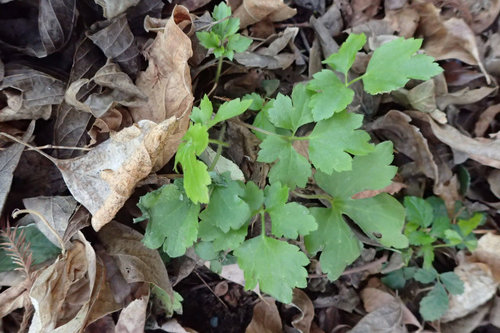
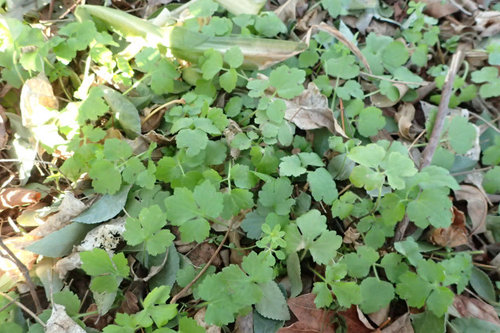
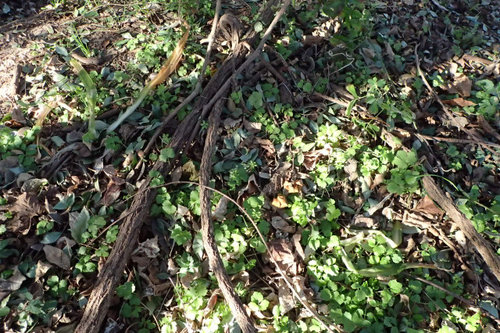
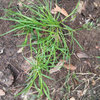
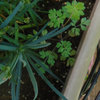
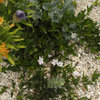
This small forb was found growing along a creek. Is this actually Creeping Buttercup (Ranunculus repens), unlike the other, similar one I had recently posted? One questionable part is that I didn't look much, but I didn't notice any characteristic stolons, though? Or is it something else?


Comments (16)

  • 3 years ago
    last modified: 3 years ago

    i have quite some Ranunculus repens and can weed them without killing the Anemone blanda nearby... or some Delphinium which can look amazingly similar

    I would say: foliage too irregular, thin and roundly lobed,

    so quite likely something else

    added: especially in the second pic it looks very different

    blakrab Centex thanked linaria_gw
  • 3 years ago

    Yea, I would agree Ranunculus repens's leaves are usually much more deeply and sharply-lobed. So, I wonder what this is, then? Damn, didn't realize there were so many lookalikes of this type!

  • 3 years ago
    last modified: 3 years ago

    Definitely not R repens. Really nothing like it.

    blakrab Centex thanked floral_uk z.8/9 SW UK
  • 3 years ago

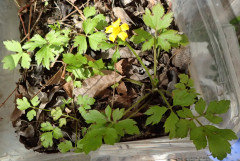
    OK, so I let one of these bloom just for ID purposes and...it looks like it IS invasive Creeping Buttercup (Ranunculus repens)...not to be confused with Anemone berlandieri (Tenpetal Anemone).


    Well, looks like I'll be composting it now!

  • 3 years ago
    last modified: 3 years ago

    Nope. That is not R. repens. It is a Ranunculus, but not that one.

    blakrab Centex thanked floral_uk z.8/9 SW UK
  • 3 years ago

    ^ Oh, well that sounds like good news.. But wonder which Ranunculus it is, then?

  • 3 years ago
    last modified: 3 years ago

    I’m sure Texas has many native Ranunculus species, none of which I have ever seen, so I can’t help further. But R. repens is very familiar to me, growing absolutely everywhere here.

  • 3 years ago

    ranunculus sceleratus?

    blakrab Centex thanked rosaprimula UK (Cambridge) Z8/9
  • 3 years ago

    Oh no, definitely not. Flowers are totally different on that one. Leaves too. Differently lobed and fleshy in texture. I have R sceleratus in my garden grown from wild gathered seed.

    blakrab Centex thanked floral_uk z.8/9 SW UK
  • 3 years ago

    There are 18 species of ranunculus native to Texas and who knows how many more that have naturalized. Without clear and detailed photos of the foliage and flowers, we are only guessing.

    blakrab Centex thanked gardengal48 (PNW Z8/9)
  • 3 years ago
    last modified: 3 years ago

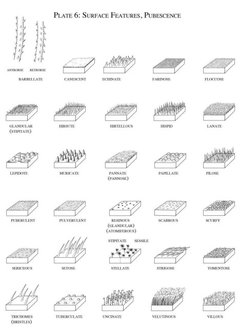
    If a Ranunculus species isn't easily identified by obvious charecters, ie (white, LIGHT) leaf markings near the sinuses= R. repens, than it must be keyed with the plant in hand. They can be so similar that they require looking at the leaves, sepals, petioles, leaf undersides, stem, petiolules, roots, flowers, basal leaves, cauline leaves both lower and top near flowers, fruits. I wouldn't post anymore questionable Ranunculus species. The photos don't show sepals, leaf undersides, adaxial. There is no clear indication of which leaves are basal and which are cauline. The photo shows pubescence, but the quality is far from showing exactly what kind of pubescence, pilose?, hirsute?, hispid?, etc. Judging from all the Ranunculus species in the Dallas area you can eliminate repens, fascicularis, muricatus. This plant could be a variety of the Ranunculus hispidus complex, or Ranunculus sardous,( which I'm not familiar with). This genus of 600 species is broken up into sections, and only certified botanists can view that online info, or there's a book I think by Lyman Benton. There are quite a few Ranunculus hispidus varieties, but nothing online that I can find to key them out. Good luck!

    Some Ranunculus species are so similar that the only way to ID them is by measuring the achenes, or by the locations they are growing at.


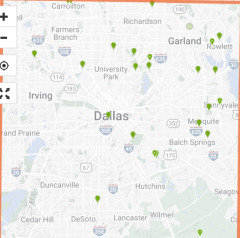
    Map of Ranunculus hispidus


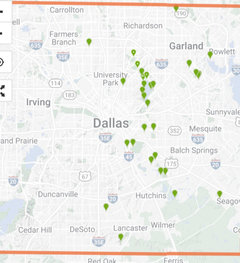
    Map of Ranunculus sardous

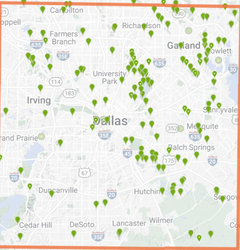
    Map of all Ranunculus species. muricatus, hispidus, sardous, multifidus, sceleratus, repens, fascicularis, arbortivus.


    blakrab Centex thanked Jay 6a Chicago
  • 3 years ago
    last modified: 3 years ago

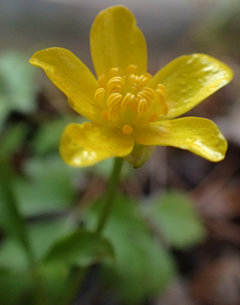
    Ranunculus hispidus has 1 sure way of being identified. The flower petals become transluscent near the flower center. Your 3rd photo looks like maybe the petals are transluscent towards the center. If it's not hispidus, then I have no idea what else it could be. I'm assuming all the varieties have this same trait, but I can't find any information about them to be certain.


    Petals of Ranunculus hispidus showing transluscence.


    There is also a variety nitidus not mentioned by Weakley, probably because it doesn't occur in the southeast. Texas isn't mentioned in the flora as part of it's range, but hispidus is definately in Texas. If it's not hispidus, then it must be sardous.

    blakrab Centex thanked Jay 6a Chicago
  • 3 years ago

    The other post about 10 petal Anemone, any chance you will get to see it in bloom? That species is blooming in Florida now.

    blakrab Centex thanked Jay 6a Chicago
  • 3 years ago
    last modified: 3 years ago

    Yes, I see the slight translucence in the center...so I'll go with Ranunculus hispidus then, I guess!

    And OK, I just posted a pic of one I believe I had transplanted in the latest comment here.

  • 3 years ago

    Can you get a pic of that flower with the slight transluscent center? I really think it's Ranunculus sardous, Hairy Buttercup. Don't you?

Sponsored
Peabody Landscape Group
Average rating: 3.5 out of 5 stars8 Reviews
Columbus' Reliable Landscape Design & Contracting